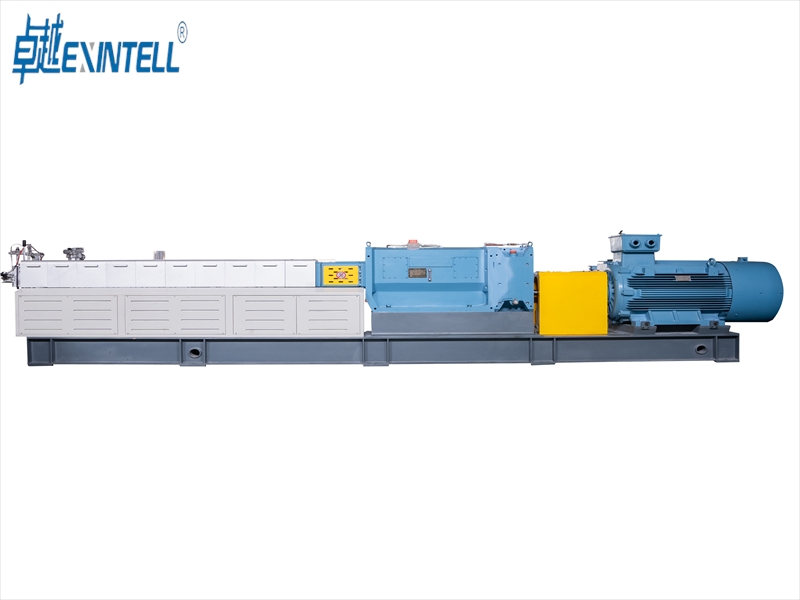
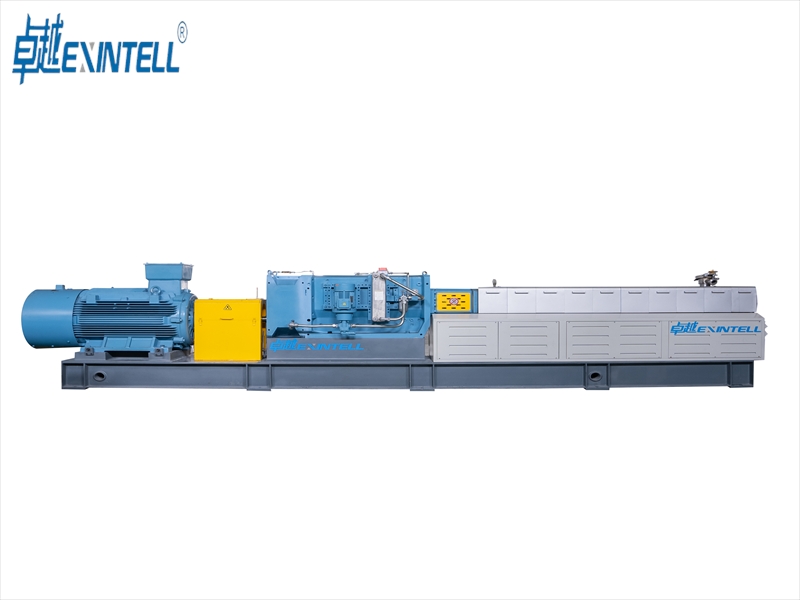
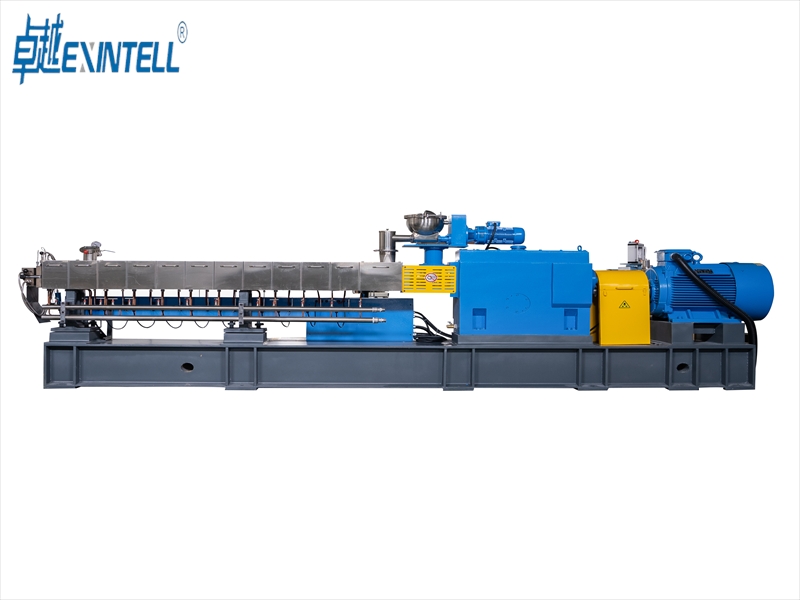
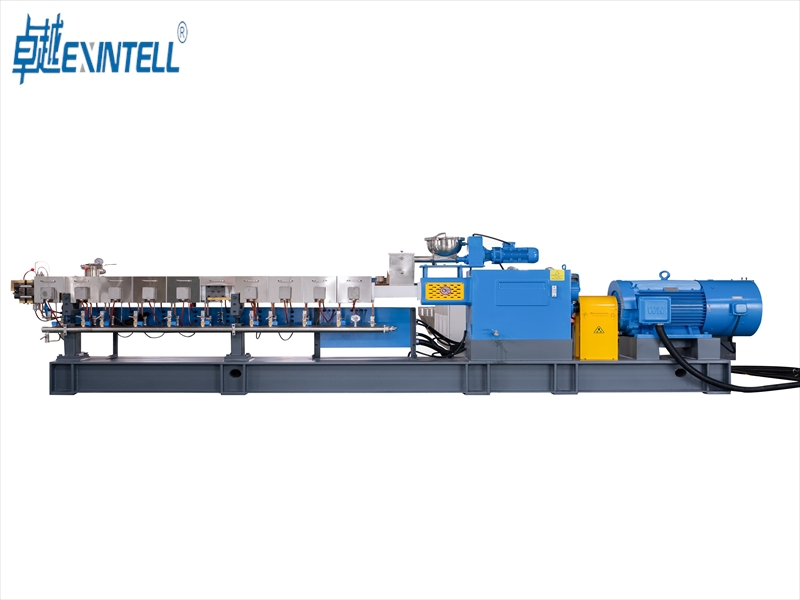
Check the material’s properties to make the pelletizing process work best for different plastics.
What Is A Pelletizing Extruder
Main Function
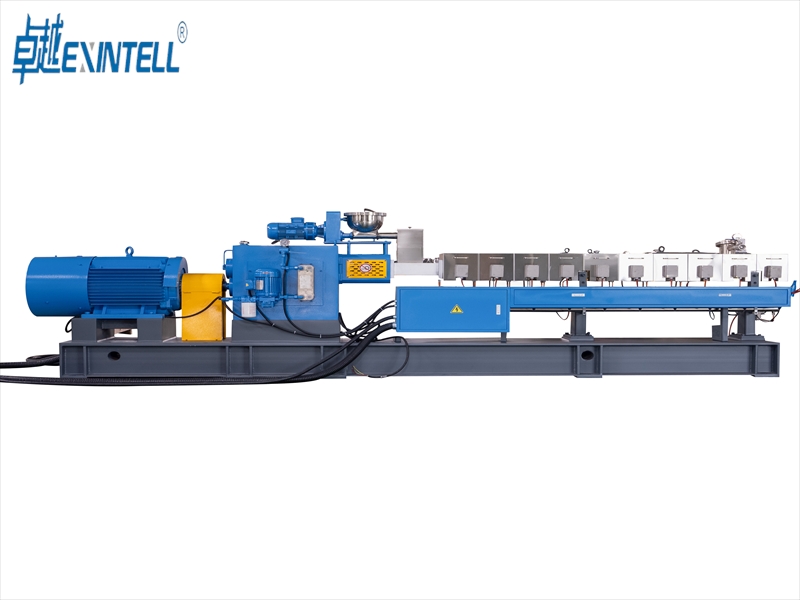
ሀ pelletizing extruderturns raw plastic or polymer into small pellets. The machine lets you control how big and round each pellet is. Manufacturers usepellet extrudersto make products that meet strict rules. የቆሻሻ መጣያ ቁራጮችን ወይም አዲስ ሙጫ በደንብ በሚፈስሱ እና በሌሎች ማሽኖች ውስጥ ወደሚሰሩ እንክብሎች መቀየር ይችላሉ።.
Shapes melted plastic, controls pellet thickness and pressure
የማቀዝቀዣ ሥርዓት
Makes pellets hard, stops them from changing shape
የሚሽከረከር ቢላዋ ስርዓት
Cuts cooled pellets into the same size and shape
You can change the design of these parts to fit your needs. Automation systems help you control heat and warn you about problems. Cooling and drying systems keep pellets strong and protect their quality.
Pelletizing Extruder Process
The pelletizing extruder works in steps. Each step changes raw material into pellets that look the same. You need to know every stage to getጥሩ እንክብሎች.
ቁሳቁስ መመገብ
አንደኛ, you put raw material into the extruder. The hopper holds the material. This material can be plastic flakes, ጥራጥሬዎች, or powders. Some common materials are polyethylene, ፖሊፕፐሊንሊን, ኤቢኤስ, ናይሎን, and PLA. ምን ያህል ቁሳቁስ እንደሚገባ ለመቆጣጠር ልዩ መጋቢዎችን መጠቀም ይችላሉ።. አንዳንዴ, በመጀመሪያ እቃውን ማድረቅ ያስፈልግዎታል. ውሃ ውስጥ ለሚወስዱ ፕላስቲኮች ማድረቅ አስፈላጊ ነው. መድረቅ አረፋዎችን እና ሌሎች ችግሮችን በእንክብሎች ውስጥ ያቆማል.
መጨረሻ ላይ የተጠናቀቁትን እንክብሎች ይሰበስባሉ. አንዳንዴ, ውሃን ለማስወገድ እነሱን ማድረቅ ያስፈልግዎታል. እንክብሎችን ለመጠኑ የሚፈትሹበት ቦታ ይህ ነው።, ቅርጽ, እና ንጽሕና. እንክብሎችን ፈትሽ እና ማንኛውንም መጥፎ የሆኑትን ያስወግዳሉ. Some companies use special tests for plastics that need to be very pure.
You must follow world rules to make sure your pellets are good. Good checks mean your pellets will work well in other machines.
ጠቃሚ ምክር: Check the pellets often when you collect them. This helps you find problems early and keeps your machine working well.
If you follow each step, you turn raw material into good pellets. Every stage is important for making the final product.
Factors Affecting Pelletizing
When you use a pelletizing extruder, you must control some things. These things help you get strong and even pellets. You need to watch temperature, የፍጥነት ፍጥነት, and your material’s properties. Each one can change how your pellets look. They also affect how well your machine works.
የሙቀት መቆጣጠሪያ
You have to check the temperature all the time. ትክክለኛው የሙቀት መጠን እንክብሎች በደንብ እንዲጣበቁ ይረዳል. የሙቀት መጠኑ ከተጠራው ልዩ ነጥብ አጠገብ በሚሆንበት ጊዜ ቲ*, በሞት ጉዳዮች ውስጥ ጊዜ. ይህ ጊዜ እንክብሎችዎ ምን ያህል ከባድ እንደሆኑ ይለውጣል. በቲ* ላይ ከሄድክ, እንክብሎች በፍጥነት ይጣበቃሉ ነገር ግን እየደከሙ ይሄዳሉ. ጥሩ የሙቀት መቆጣጠሪያ እንክብሎች ረዘም ላለ ጊዜ እንዲቆዩ እና እንዳይሰበሩ ያደርጋል. እንዲሁም እንክብሎችዎን ጥሩ ያደርገዋል እና ብክነትን ያቆማል.
እነዚህን ነገሮች ከተቆጣጠሩ, የተሻሉ እንክብሎችን ይሠራሉ. You also keep your pelletizing process working well.
Pellet Extruder Troubleshooting
Common Pellet Quality Issues
አንዳንዴ, you see problems with your pellets. These problems can change how your pellets look or work. Here are some issues you might find:
Agglomeration or big clumps happen if pellets get too hot or water is too low.
Fines and angel hair show up if orifice tips break or the knife does not move right.
Twins, triplets, and chains form if the knife is too fast or the product is too hot.
Dog bones and dumbbells appear if blades are worn out or the material is not thick enough.
Tails form if the gap between the knife and die is too big or the die is not flat.
Longs and elbows happen if the knife is too slow or the extrusion rate is high.
Internal voids and popcorn can show up if the polymer has water or cools too fast.
Dimples and dust appear if the product shrinks too fast or is brittle.
Surface or melt fracture and trash or shavings happen if the extrusion rate is high or the knife is not adjusted often.
Pellets that do not look the same can come from temperature changes or uneven die heating.
You can use tools like theIshikawa fishbone diagramor the 5 Whys technique to find out what is wrong. These tools help you list causes and look deeper into the problem.
Mechanical And Process Problems
Mechanical and process problems can also hurt pelletizing. You might see uneven output, low production, or bad pellets. Here are some problems and ways to fix them:
If pellet size and shape are not right, change the die temperature, ቢላዋ ስለታም ያቆዩ, እና የቢላውን ክፍተት ያረጋግጡ.
እያንዳንዱን የፔሌቲዚንግ ኤክስትራክተር ሂደት መማር ይችላሉ።. Controlling temperature and cooling helps make strong, ወጥ እንክብሎች. Improving how you run your machine reduces waste and saves money. When pellets flow smoothly, jams are less likely, and work stays steady. Proper melting and mixing create pellets that meet high standards. This also helps cut material loss and makes production faster. Whether you’re new or experienced, keep practicing to make the best pellets every time.
Even melting and mixing produce consistent pellets.
Pelletizing saves material and increases efficiency.
የሚጠየቁ ጥያቄዎች
What materials can you use in a pelletizing extruder?
መጠቀም ትችላለህ many kinds of plastic. Some examples are polyethylene, ፖሊፕፐሊንሊን, ኤቢኤስ, ናይሎን, and PLA. Some machines can also use recycled plastic or blends. Always make sure your extruder works with your material.
How do you keep pellets from sticking together?
Dry your material before you feed it in. Pick the best cooling method for your plastic. Keep the temperature the same. These steps help you getstrong pellets that do not stick.
Why do pellets sometimes have uneven shapes?
Pellets can look uneven if the die or cutter has issues. Check if the blades are worn out or if die holes are blocked. Wrong screw speed can also cause this. Fix these things to make pellets even.
How often should you clean your pelletizing extruder?
Clean your extruder after every time you finish making pellets.
Take out leftover material and look for any buildup.
Cleaning often keeps your pellets good and your machine working well.