

ቁልፍ መቀበያዎች
-
የፕላስቲክ ማስወገጃዎች ይለወጣሉ ጥሬ የፕላስቲክ እንክብሎች ወደ የተጠናቀቁ ምርቶች ደረጃ በደረጃ ሂደት.
-
የፕላስቲክ ማራዘሚያ ቁልፍ ተግባራት ማሞቂያን ያካትታሉ, መቀላቀል, ግፊት ማድረግ, መቅረጽ, እና ቁሳቁሱን ማቀዝቀዝ.
-
ትክክለኛውን ቴርሞፕላስቲክ መምረጥ የተፈለገውን የምርት ባህሪያትን እና አፕሊኬሽኖችን ለማግኘት ወሳኝ ነው.
-
በሚወጣበት ጊዜ የሙቀት መጠንን እና ግፊቱን በትክክል መከታተል የማያቋርጥ ጥራትን ያረጋግጣል እና ጉድለቶችን ይከላከላል.
-
Cooling methods significantly affect the final product's strength and appearance; ለእያንዳንዱ መተግበሪያ ትክክለኛውን ዘዴ ይምረጡ.
-
እንደ መቁረጥ እና መቅረጽ ያሉ የታችኛው የተፋሰስ ሂደት ሂደቶች የተገለሉ ምርቶችን ዋጋ እና ጥቅም ያጎላሉ.
-
ለተቀላጠፈ አሠራር እና የምርት ጥራት እንደ ዳይ እና ሆፐር ያሉ ክፍሎችን አዘውትሮ ማቆየት አስፈላጊ ነው።.
-
ጥቅሞችን እና ተግዳሮቶችን መረዳት የፕላስቲክ ማስወጣት ምርትን ለማመቻቸት እና የኢንዱስትሪ ፍላጎቶችን ለማሟላት ይረዳል.
የፕላስቲክ ኤክስትራክተር መሰረታዊ ነገሮች
የፕላስቲክ ኤክስትራክተር ምንድን ነው?
እተማመናለሁ ሀ የፕላስቲክ extruder በየቀኑ በማምረት ሂደቴ ውስጥ. ይህ ማሽን ጥሬ ፕላስቲክን ወደ ጠቃሚ ምርቶች በመቀየር ማዕከላዊ ሚና ይጫወታል. የፕላስቲክ እንክብሎችን ወደ ኤክስትራክተሩ እመግባለሁ።, የሚሞቃቸው እና የሚያሟሟቸው. ከዚያም ማሽኑ የቀለጠውን ፕላስቲክ በዳይ ውስጥ ይገፋል, ቀጣይነት ያለው ቅርጽ መፍጠር. ይህ ሂደት ቧንቧዎችን ለማምረት ያስችላል, አንሶላዎች, ፊልሞች, እና ሌሎች እቃዎች በብቃት.
በኢንዱስትሪ ማምረቻ ውስጥ የፕላስቲክ ኤክስትራክተር እንደ ወሳኝ መሣሪያ ሆኖ ጎልቶ ይታያል. የሚቀልጠው ፕላስቲክን በቋሚ መውጫ በኩል በማስገደድ ነው የሚሰራው።, የሚፈለገውን ቅርጽ በመቅረጽ. ይህ ዘዴ በእያንዳንዱ ስብስብ ውስጥ ወጥነት እና ጥራትን እንዴት እንደሚያረጋግጥ አይቻለሁ. የማውጣቱ ሂደት ቁሳቁሱን ለማንቀሳቀስ ከፍተኛ ግፊት ይጠቀማል, ከዚያም የሚቀዘቅዝ እና የሚያጠናክር. ይህ አካሄድ በእለት ተእለት ስራዬ ውስጥ የአስከፊውን ቅልጥፍና እና ተግባራዊነት አጉልቶ ያሳያል.
ጠቃሚ ምክር: የምርት ጥራትን ለመጠበቅ ሁል ጊዜ የሙቀት እና የግፊት ቅንብሮችን በፕላስቲክ አውጭው ላይ አረጋግጣለሁ።.
ቁልፍ ተግባራት
የፕላስቲክ ማስወጫ ስሰራ በበርካታ ቁልፍ ተግባራት ላይ አተኩራለሁ. እያንዳንዱ ተግባር ለኢንዱስትሪ አፕሊኬሽኖች አስፈላጊ ነው ምክንያቱም የመጨረሻውን ምርት ጥራት እና አፈፃፀም ላይ ተጽእኖ ስለሚያሳድር ነው.
-
ማሞቂያ እና ማቅለጥ: የፕላስቲክ እንክብሎችን እስኪቀልጡ ድረስ ለማሞቅ ኤክስትራክተሩን እጠቀማለሁ።. ይህ እርምጃ አንድ ወጥ የሆነ ቁሳቁስ ለመፍጠር አስፈላጊ ነው.
-
ማደባለቅ: ማሽኑ የቀለጠውን ፕላስቲክ ያዋህዳል, የተጨማሪዎች እና ማቅለሚያዎች ስርጭትን ማረጋገጥ.
-
ግፊት ማድረግ: I rely on the extruder to apply pressure, which helps shape the material and remove air bubbles.
-
በመቅረጽ ላይ: The die gives the plastic its final shape, whether I need pipes, ፊልሞች, መገለጫዎች, or cable sheaths.
-
ማቀዝቀዝ: After shaping, I cool the product to solidify it and lock in its form.
I use different thermoplastics in my extruder, እንደ ማመልከቻው ይወሰናል. ለምሳሌ, polyethylene works well for films and packaging because of its flexibility and strength. Polypropylene suits automotive parts due to its high melting point. Polyvinyl chloride is ideal for construction pipes and profiles because it is durable. Polystyrene is perfect for consumer goods since it is rigid and clear.
I see the impact of these functions across many industries:
-
ግንባታ
-
ማሸግ
-
Electronics and electrical appliances
-
አውቶሞቲቭ
-
Medical care
I produce a variety of products with my plastic extruder, እንደ:
-
ቧንቧዎች
-
Extruder Frame በጅምላ አኖዳይዝድ የተወጣ አልሙኒየም ፊልሞች
-
መገለጫዎች
-
የኬብል ሽፋኖች
-
የሕክምና ፍጆታዎች
እነዚህን ተግባራት ማካሄዴ ለኢንዱስትሪ ደንበኞች አስተማማኝ ውጤቶችን እንዳቀርብ እንደሚረዳኝ ተረድቻለሁ. ቅልጥፍናን እና ወጥነትን ለማረጋገጥ ሁልጊዜ እያንዳንዱን ደረጃ እከታተላለሁ።.
የፕላስቲክ ማስወገጃ እንዴት እንደሚሰራ
የመመገቢያ ቁሳቁስ
ጥሬ ዕቃዎችን ወደ ማራገፊያው ውስጥ በመመገብ ሁልጊዜ የፕላስቲክ የማስወጣት ሂደትን እጀምራለሁ. የፕላስቲክ እንክብሎችን ወይም ጥራጥሬዎችን እጠቀማለሁ, በማሽኑ አናት ላይ ወደ ማቀፊያው ውስጥ የምፈሰው. ማቀፊያው እንደ ማጠራቀሚያ ገንዳ ሆኖ የሚያገለግል ሲሆን ወደ በርሜሉ ውስጥ የሚገቡትን ነገሮች የማያቋርጥ ፍሰት ያረጋግጣል. እኔ መሥራት በፈለኩት ምርት ላይ በመመስረት ትክክለኛውን የፕላስቲክ አይነት እመርጣለሁ. ለምሳሌ, ልመርጥ እችላለሁ ፖሊቪኒል ክሎራይድ ለቧንቧዎች ወይም ፖሊ polyethylene ለፊልሞች እና ቱቦዎች. ከታች ያለው ሰንጠረዥ እኔ የምጠቀምባቸውን አንዳንድ የተለመዱ ቁሳቁሶችን እና ዋና ባህሪያቸውን ያሳያል:
|
የቁሳቁስ አይነት |
ባህሪያት እና መተግበሪያዎች |
|---|---|
|
ፖሊቪኒል ክሎራይድ (PVC) |
ጠንካራ, ሁለገብ, እርጥበት መቋቋም, ኬሚካሎች, እና የአልትራቫዮሌት ጨረር; በግንባታ እና በኢንዱስትሪ ሁኔታዎች ውስጥ ጥቅም ላይ ይውላል. |
|
ፖሊ polyethylene (ፒ.ኢ) |
ቀላል ክብደት, ተለዋዋጭ, በጣም ጥሩ ተጽዕኖ መቋቋም; ለፊልሞች ጥቅም ላይ ይውላል, የፕላስቲክ ከረጢቶች, መያዣዎች, እና ተጣጣፊ ቱቦዎች. |
|
አሳ (Acrylonitrile Styrene Acrylate) |
የላቀ የአልትራቫዮሌት እና የኬሚካል መቋቋም; እንደ ጣሪያ እና የፊት ለፊት ፓነሎች ያሉ ከቤት ውጭ መተግበሪያዎች ውስጥ ጥቅም ላይ ይውላል. |
|
ቀላል ክብደት, ተለዋዋጭ; ለምግብ ማሸግ ተስማሚ, የሕክምና ምርቶች, እና ክፍት የስራ ስርዓቶች. |
ከመጫንዎ በፊት ቁሱ ንጹህ እና ደረቅ መሆኑን አረጋግጣለሁ. እርጥበት ወይም ብክለት በመጨረሻው ምርት ላይ ጉድለቶችን ሊያስከትል ይችላል. እንክብሎቹ ወደ በርሜል ውስጥ ከገቡ በኋላ, የፕላስቲክ የማስወገጃው ሂደት በትክክል ይጀምራል.
ማቅለጥ እና መቀላቀል
ከተመገብን በኋላ, ፕላስቲኩን ማቅለጥ እና በደንብ መቀላቀል ላይ አተኩራለሁ. በርሜሉ እንክብሎችን ወደ ፊት የሚገፋ የሚሽከረከር ሽክርክሪት ይዟል. ቁሱ ሲንቀሳቀስ, በርሜሉ ላይ ያሉት ማሞቂያዎች የሙቀት መጠኑን ይጨምራሉ. የሙቀት መጠኑን በቅርበት እከታተላለሁ ምክንያቱም እያንዳንዱ የፕላስቲክ አይነት በተለያየ ክልል ይቀልጣል. ለምሳሌ, በርሜሉን ወደ 160-200 አስቀምጫለሁ°ሲ ለ LDPE, 180-230°C ለ HDPE, እና 150-185°C ለ PVC. ከታች ያለው ሰንጠረዥ የተለመደ ያሳያል ለተለመደው ቴርሞፕላስቲክ ሙቀት ማቅለጥ:
|
ቴርሞፕላስቲክ |
የማቅለጥ ሙቀት (°ሲ) |
|---|---|
|
LDPE |
160-200 |
|
HDPE |
180-230 |
|
ፒ.ፒ |
200-260 |
|
PVC |
150-185 |
|
ናይሎን |
230-290 |
ጠመዝማዛው ሲሽከረከር, የቀለጠውን ፕላስቲክ ይጭመቅ እና ተመሳሳይ ያደርገዋል. እተማመናለሁ። ድብልቅ ንጥረ ነገሮች ዘለላዎችን ለመከፋፈል እና ተጨማሪዎችን በእኩል ለማሰራጨት በመጠምዘዣው ውስጥ. የመጨረሻው ምርት አንድ ወጥ የሆነ ቀለም እና ሸካራነት እንዳለው ስለሚያረጋግጥ ይህ ደረጃ ለፕሮፋይል ማስወጣት ሂደት ወሳኝ ነው. ትክክለኛው ድብልቅ የቁሳቁስ ብክነትን እና ጉድለቶችን ይከላከላል. በዚህ ደረጃ የሙቀት መጠኑ እና ግፊቱ የተረጋጋ መሆኑን ሁልጊዜ አረጋግጣለሁ።. ቁሱ በእኩል መጠን የማይቀልጥ ከሆነ, የማስወጣት ሂደት ደካማ ወይም ወጥነት የሌላቸው ምርቶችን ማምረት ይችላል.
ጠቃሚ ምክር: በፕላስቲክ የማስወጫ ሂደት ውስጥ ምርጡን ውጤት ለማግኘት ሁል ጊዜ ትክክለኛውን የዊንዶ ዲዛይን እና ድብልቅ ንጥረ ነገሮችን ለእያንዳንዱ ቁሳቁስ እጠቀማለሁ.
ከዳይ ጋር መቅረጽ
ፕላስቲኩ ሙሉ በሙሉ ማቅለጥ እና ከተቀላቀለ በኋላ, ወደ ቅርጻ ቅርጽ እሸጋገራለሁ. የቀለጠው ፕላስቲክ በስክሪኖች እና በቆርቆሮ ሳህኖች ውስጥ ያልፋል ብክለትን በማጣራት እና የኋላ ግፊት ይፈጥራል. ይህ እርምጃ ለስላሳ እና ወጥነት ያለው ፍሰት እንድቆይ ይረዳኛል።. ቀጥሎ, ቁሱ ወደ ዳይ ውስጥ ይገባል, በማውጣት ሂደት ውስጥ የመጨረሻው የቅርጽ መሳሪያ የሆነው.
ዳይቱ የሚወጣውን ምርት መስቀለኛ መንገድ ይወስናል. እኔ መሥራት በፈለኩት ምርት ላይ ተመርኩዞ ዳይን እመርጣለሁ. ለምሳሌ, ለፊልሞች እና አንሶላዎች ጠፍጣፋ ወይም ሉህ ዳይ እጠቀማለሁ።, annular ወይም ቀለበት ለቧንቧ እና ቱቦዎች ይሞታል, እና ብጁ መገለጫ ለመስኮት ክፈፎች ወይም ለአየር ሁኔታ መጋለጥ ይሞታል።. ከዚህ በታች ያለው ሰንጠረዥ የተለመዱ የሞት ዓይነቶችን እና የሚፈጥሯቸውን ምርቶች ይዘረዝራል።:
|
የሞት ዓይነት |
መግለጫ |
የተፈጠሩ ምርቶች |
|---|---|---|
|
ጠፍጣፋ/ሉህ ይሞታል። |
ኮት- መስቀያ ንድፍ ሰፊ ማስገቢያ ላይ መቅለጥ ያሰራጫል. |
ሉህ, ፊልም, እና ሽፋን መተግበሪያዎች |
|
Annular / ቀለበት ይሞታል |
መቅለጥ አንድ mandrel ዙሪያ የሚፈሰው, ባዶ መገለጫ መፍጠር. |
ቧንቧ እና ቱቦዎች |
|
መገለጫ ይሞታል። |
ለተወሰኑ መስቀለኛ ክፍሎች ብጁ-የተነደፈ. |
የመስኮት ክፈፎች, የአየር ሁኔታ መቆራረጥ, የጠርዝ ማስጌጥ |
|
የተነፋ ፊልም ይሞታል |
ቀልጦቹን ወደ አረፋ ውስጥ ለማስገባት አናላር በአየር መርፌ ይሞታል።. |
ቀጭን ፊልም ማምረት |
ውፍረቱ ላይ ተጽዕኖ ስለሚያሳድር ለሞት ንድፍ ትኩረት እሰጣለሁ, ስፋት, እና የመጨረሻው ምርት የገጽታ ጥራት. በፕሮፋይል ማስወጣት ሂደት ውስጥ, ድብርት ወይም ውስጣዊ ውጥረትን ለማስወገድ አንድ ወጥ የሆነ ፍሰት መፍጠር አለበት።. ቅርጹን ለማስተካከል ብዙ ጊዜ የሟቹን ሙቀት እና ግፊት አስተካክላለሁ።. የቀለጠውን ፕላስቲክ በዳይ ውስጥ ሲወጣ ሳይ, ምርቱ የመጨረሻውን ቅጽ እየወሰደ እንደሆነ አውቃለሁ.
Masterbatch Extruder አቅራቢ ማስታወሻ: ዳይ የፕላስቲክ የማስወጣት ሂደት ልብ ነው. በጥሩ ሁኔታ የተነደፈ ዳይ ወጥነት ያለው ጥራት እና ትክክለኛ ልኬቶችን ያረጋግጣል. Extruder ማሞቅ ይቀጥላል
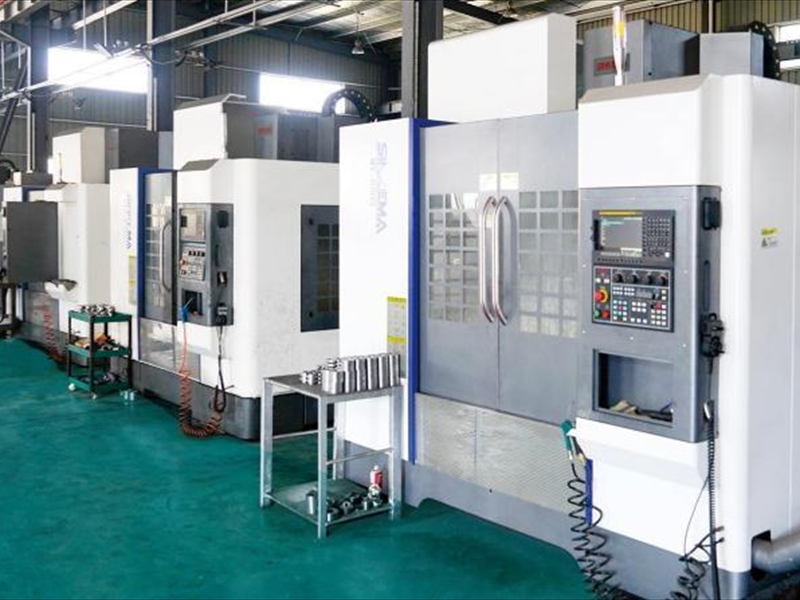
እነዚህን ደረጃዎች በመከተል—የመመገቢያ ቁሳቁስ, ፕላስቲክን ማቅለጥ, መቀላቀል, እና መቅረጽ—ጥሬ እንክብሎችን ወደ የተጠናቀቁ ምርቶች እለውጣለሁ።. የፕላስቲክ ኤክስትራክተሩ እያንዳንዱን የሂደቱን ደረጃ ለመቆጣጠር ያስችለኛል, ከቁሳቁስ ምርጫ እስከ የመጨረሻ ቅርጽ. ይህ ደረጃ-በደረጃ አቀራረብ በማንኛውም የኢንዱስትሪ ሁኔታ ውስጥ ከፍተኛ ጥራት ያላቸውን ዕቃዎች ለማምረት አስፈላጊ ነው.
ማቀዝቀዝ እና ማጠናከር
ፕላስቲኩ ከሞተ በኋላ, ቅርጹን ለመቆለፍ እና ጉድለቶችን ለመከላከል ኤክስትራክተሩን በማቀዝቀዝ ላይ አተኩራለሁ. ምርቱን የማቀዝቀዝበት መንገድ ጥንካሬውን እና ገጽታውን ስለሚጎዳ ይህ ደረጃ ወሳኝ ነው. ፕላስቲክን ለማቀዝቀዝ እና ለማጠናከር ብዙ ዘዴዎችን እጠቀማለሁ, እንደ ምርቱ እና የምርት ፍጥነት.
-
በማስተካከል ላይ
-
አየር ማቀዝቀዝ
-
የመጨረሻ ማቀዝቀዝ
-
የላቀ ቴክኒኮች (የቀዘቀዙ ሮለቶች, የቫኩም ማቀዝቀዣ)
ብዙ ጊዜ በማጥፋት እጀምራለሁ. ይህ ዘዴ ከጭንቅላቱ ላይ በሚወጣበት ጊዜ የፕላስቲክውን ውጫዊ ክፍል በፍጥነት ያቀዘቅዘዋል. ለዚህ ደረጃ የአየር ወይም የውሃ መርጫዎችን እጠቀማለሁ. ፈጣን ማቀዝቀዝ የመጀመሪያውን ቅርጽ ለማዘጋጀት ይረዳል እና ምርቱን ከመጥፋት ያቆማል. ለብዙ መገለጫዎች እና ቧንቧዎች, እኔ የካሊብሬተሮችን እጠቀማለሁ።. እነዚህ መሳሪያዎች ቅርጹን ያረጋጋሉ እና በውሃ የተሞሉ ታንኮች ለቁጥጥር ማቀዝቀዣ ያካትታሉ. ካሊብሬተሮች ከውስጥ የሚመጡ ጭንቀቶችን እንዳስወግድ እና ምርቱ ቀጥ ብሎ መቆየቱን እንዲያረጋግጡ ይረዱኛል።.
ትክክለኛ የሙቀት መቆጣጠሪያ በሚያስፈልገኝ ጊዜ, ወደ የላቀ ቴክኒኮች እዞራለሁ. የቀዘቀዙ ሮለቶች እና የቫኩም ማቀዝቀዣ ፈጣን እና እንዲያውም ማቀዝቀዝ ይሰጡኛል።, ለከፍተኛ ፍጥነት ምርት ወይም ልዩ መተግበሪያዎች አስፈላጊ የሆነው. ሁልጊዜ ከምርቱ መስፈርቶች ጋር የሚስማማውን ዘዴ እመርጣለሁ.
ጠቃሚ ምክር: የማቀዝቀዣውን መጠን በቅርበት እከታተላለሁ. ፕላስቲኩን በፍጥነት ካቀዘቅዝኩት, ውስጣዊ ውጥረትን ማጥመድ እችላለሁ. በጣም በዝግታ ብቀዘቅዘው, የመጋጨት ወይም ያልተስተካከሉ ንጣፎችን እሰጋለሁ።.
የምመርጠው የማቀዝቀዣ ዘዴ የምርቱን የመጨረሻ ባህሪያት ይነካል. ከታች ያለው ሰንጠረዥ የተለያዩ የማቀዝቀዣ መጠኖች የሜካኒካዊ ባህሪያትን እንዴት እንደሚቀይሩ ያሳያል:
|
የማቀዝቀዣ ዘዴ |
በሜካኒካል ንብረቶች ላይ ተጽእኖ |
|---|---|
|
ፈጣን የውሃ ማቀዝቀዣ |
ውስጣዊ ውጥረትን ሊይዝ ይችላል, ከጊዜ ወደ ጊዜ ወፍራም ምርቶችን ማዳከም. |
|
ቀርፋፋ አየር ስክሪፕ ኤክስትሩደር ፋብሪካ ማቀዝቀዝ ትይዩ መንትያ ጠመዝማዛ ፋብሪካ |
ወጥ የሆነ ክሪስታላይዜሽን ያበረታታል።, ጥንካሬን ማጎልበት እና የመጥፋት አደጋዎችን መቀነስ. |
ለኢንዱስትሪ ደንበኞቼ ምርጡን ውጤት ለማግኘት ሁል ጊዜ ፍጥነትን እና ጥራትን ሚዛን አደርጋለሁ.
የታችኛው ተፋሰስ ሂደት
ምርቱ ጠንካራ ከሆነ በኋላ, ወደ ታችኛው ተፋሰስ ሂደት እሸጋገራለሁ. ይህ ደረጃ ዋጋን ይጨምራል እና ምርቱን ለመጨረሻው ጥቅም ያዘጋጃል. የተጣራ ፕላስቲክን ለመጨረስ ተከታታይ እርምጃዎችን እከተላለሁ:
-
መቁረጥ: ተከታታይ ርዝመቶችን ለመቁረጥ ባለከፍተኛ ፍጥነት መቁረጫ እጠቀማለሁ. በትክክል መቁረጥ ለስብሰባ እና መልክ አስፈላጊ ነው.
-
በመቅረጽ ላይ: ምርቱን በመቅረጫ ማሽን በኩል ላሄድ እችላለሁ. ይህ እርምጃ መልክን ያሻሽላል እና መጠኖቹ ትክክል መሆናቸውን ያረጋግጣል.
-
ማድረቅ: የኢንዱስትሪ ማድረቂያዎችን እጠቀማለሁ, እንደ ባለ ብዙ ሽፋን ቀበቶ ማድረቂያዎች ወይም ማይክሮዌቭ ማድረቂያዎች, ከምርቱ ውስጥ ማንኛውንም እርጥበት ለማስወገድ.
ከእነዚህ ዋና ደረጃዎች በኋላ, ብዙ ጊዜ እጨምራለሁ የማጠናቀቂያ ስራዎች. በምርቱ ላይ መረጃ ወይም የምርት ስም ማተም እችላለሁ. አንዳንዴ, ጉድጓዶችን እመካለሁ።, ጫፎቹን ደወል, ወይም ምርቱን ለቀላል ማጓጓዣ ይከርክሙት. እነዚህ ተጨማሪ እርምጃዎች የተወሰኑ የደንበኛ ፍላጎቶችን እንዳሟላ እና ምርቱን የበለጠ ጠቃሚ እንድሆን ይረዱኛል።.
ማስታወሻ: የታችኛው ሂደቶች እንደ መቁረጥ እና ማተም የተለቀቁ የፕላስቲክ ምርቶችን ዋጋ ማሻሻል. ትክክለኛውን መጠን ያረጋግጣሉ, የተሻለ መልክ, እና ለገበያ ዝግጁነት.
የማቀዝቀዝ እና የታችኛውን ሂደት በጥንቃቄ በማስተዳደር, ከፍተኛ ጥራት አቀርባለሁ።, ለብዙ የኢንዱስትሪ መተግበሪያዎች አስተማማኝ ምርቶች.
የፕላስቲክ Extruder ክፍሎች
ሆፐር
እኔ ሁል ጊዜ ሥራዬን የምጀምረው በ ሆፐር. ይህ አካል በፕላስቲክ ኤክስትራክተር አናት ላይ ተቀምጧል እና ጥሬ የፕላስቲክ እንክብሎችን ወይም ጥራጥሬዎችን ያከማቻል. ማሰሪያው በተረጋጋ ፍጥነት ዕቃውን ወደ በርሜል ይመገባል።. ንፁህ እና ደረቅ ሆኖ መቆየቱን ለማረጋገጥ ማሰሪያውን በየጊዜው አረጋግጣለሁ።. አንዳንድ ሞዴሎች የማድረቅ ተግባራትን ያካትታሉ, የፕላስቲክ ጥራትን ለመጠበቅ የሚረዳኝ. እርጥበት ጉድለት ሊያስከትል ይችላል, ስለዚህ ቁሳቁሱን በጥሩ ሁኔታ ለማቆየት በሆፕፐር ላይ እተማመናለሁ. በምርት መጠን ላይ በመመርኮዝ ትክክለኛውን የሆፐር መጠን እመርጣለሁ. ለከፍተኛ ውጤት ስራዎች, በተደጋጋሚ መሙላትን ለማስቀረት ትላልቅ ሆፐሮችን እጠቀማለሁ.
ጠቃሚ ምክር: ከእያንዳንዱ ፈረቃ በፊት ሆፐርን እፈትሻለሁ. ንጹህ እና ደረቅ ቁሳቁስ ለስላሳ መውጣትን ያረጋግጣል እና እገዳዎችን ይከላከላል.
በርሜል እና ስክሩ
የ በርሜል እና ጠመዝማዛ የ extruder ዋና ይመሰርታሉ. በርሜሉ ለፕላስቲክ እንክብሎች ሞቃት ቦታ ይሰጣል. የእቃውን የማቅለጫ ነጥብ ለማዛመድ የበርሜሉን የሙቀት መጠን እከታተላለሁ።. ጠመዝማዛው በርሜሉ ውስጥ ተቀምጦ ፕላስቲኩን ወደፊት ለማራመድ ይሽከረከራል።. ጠመዝማዛው ሲዞር, ያስተላልፋል, ይቀልጣል, እና ቁሳቁሱን ያቀላቅላል. የውጤቱን መጠን ለመቆጣጠር የፍጥነቱን ፍጥነት አስተካክላለሁ።. ፈጣን ፍጥነቶች ምርትን ይጨምራሉ ነገር ግን ከመጠን በላይ ሙቀትን ያስከትላል. በፕላስቲክ ዓይነት እና በምርት መስፈርቶች ላይ በመመርኮዝ የሾላውን ንድፍ እመርጣለሁ.
የበርሜሉ እና የሾሉ ንድፍ ውጤታማነት ላይ ተጽዕኖ ያሳድራል።. I look at parameters like the L/D ratio (length to diameter), compression ratio, flight depth, እና የፍጥነት ፍጥነት. For most jobs, I use a screw with a 30:1 ኤል/ዲ ጥምርታ. This gives me enough time for melting and mixing. Compression ratios between 3:1 እና 3.5:1 work well for polyethylene. Deeper flight channels allow higher throughput, but I balance this with melting efficiency. I avoid running the screw too fast, since excessive speed can degrade the polymer.
|
አካል |
ተግባር |
|---|---|
|
ስከር |
Conveys, plasticizes, and pressurizes raw materials. |
|
በርሜል |
Provides storage and heating space, ensuring durability and stability. |
I select barrier screws for jobs that need better melting consistency. ይህ ምርጫ ቁሱ ከመድረሱ በፊት አንድ አይነት ድብልቅን እንዳሳካ ይረዳኛል.
ማሞቂያዎች
ማሞቂያዎች በፕላስቲክ ውጫዊ ክፍል ውስጥ ወሳኝ ሚና ይጫወታሉ. በርሜሉ ውስጥ በሚንቀሳቀሱበት ጊዜ የፕላስቲክ እንክብሎችን ለማቅለጥ በእነሱ እተማመናለሁ. ማሞቂያዎቹ በርሜሉ ዙሪያ ይጠቀለላሉ እና ትክክለኛ የሙቀት መቆጣጠሪያ ይሰጣሉ. የሙቀት መጠኑን በፕላስቲክ አይነት መሰረት አስቀምጫለሁ. ለምሳሌ, ዝቅተኛ የሙቀት መጠኖችን ለ PVC እና ከፍተኛ ቅንጅቶችን ለናይሎን እጠቀማለሁ።. የማያቋርጥ ማሞቂያ ጉድለቶችን ይከላከላል እና ወጥ የሆነ የፕላስቲክ አሠራር ያረጋግጣል.
በሂደቱ ውስጥ ማሞቂያዎችን እከታተላለሁ. የሙቀት መጠኑ ቢለዋወጥ, እኩል ያልሆነ ማቅለጥ ወይም ከመጠን በላይ ማሞቅ እሰጋለሁ. ሙቀትን እና ማቀዝቀዣን ለመቆጣጠር የሙቀት መቆጣጠሪያ ስርዓቶችን እጠቀማለሁ. እነዚህ ስርዓቶች ትክክለኛውን ሚዛን እንድጠብቅ ይረዱኛል, ስለዚህ ፕላስቲኩ በተቀላጠፈ ወደ ዳይ ይፈስሳል. ትክክለኛ የሙቀት ማሞቂያ አስተዳደር የምርት ጥራትን ያሻሽላል እና ቆሻሻን ይቀንሳል.
ማስታወሻ: አስተማማኝ ማሞቂያዎች እና የሙቀት መቆጣጠሪያ ዘዴዎች የማውጣት ሂደቱን የተረጋጋ ያደርገዋል. የምርት ችግሮችን ለማስወገድ ሁልጊዜ እነዚህን ክፍሎች እፈትሻለሁ.
ሙት
የፕላስቲክ ማስወጫዬን በምሠራበት ጊዜ ሁል ጊዜ ለሟቹ ትኩረት እሰጣለሁ።. ሟቹ የቀለጠውን ፕላስቲክ ወደ መጨረሻው ምርት ይቀርፃል።. ቧንቧዎችን ለማምረት ትክክለኛውን ዳይ መምረጥ አስፈላጊ መሆኑን አውቃለሁ, አንሶላዎች, መገለጫዎች, ወይም ትክክለኛ ልኬቶች ያላቸው ፊልሞች.
ከእያንዳንዱ የምርት ሂደት በፊት ሟቹን በመመርመር እጀምራለሁ. ማንኛውንም የመልበስ ምልክቶችን እፈልጋለሁ, መገንባት, ወይም ጉዳት. ንጹህ ዳይ የፕላስቲክ ለስላሳ ፍሰትን ያረጋግጣል እና ጉድለቶችን ይከላከላል. የዳይ ቻናሎችን እና ንጣፎችን ለማጽዳት ልዩ መሳሪያዎችን እጠቀማለሁ።. ምንም አይነት ጭረቶች ወይም እገዳዎች ካየሁ, ወዲያው አነጋግራቸዋለሁ.
እኔ extruder ማዋቀር ጊዜ, I align the die carefully with the barrel. Proper alignment prevents uneven flow and reduces the risk of warping. I tighten the bolts evenly to avoid leaks. I also check the die temperature settings. Each type of plastic requires a specific temperature range for optimal flow. I adjust the die heaters to match the material I am using.
During production, I monitor the pressure at the die. If the pressure rises too high, I know there may be a blockage or contamination. I stop the machine and inspect the die if I notice any irregularities in the extruded product. Consistent pressure helps me maintain uniform thickness and surface quality.
I often switch between different dies depending on the product. ለምሳሌ, I use a flat die for making sheets and a ring die for pipes. I store each die in a clean, ዝገትን እና ጉዳትን ለመከላከል ደረቅ ቦታ. ትክክለኛውን በፍጥነት እንዳገኝ እያንዳንዱን ሞት በግልፅ እገልጻለሁ።.
ጠቃሚ ምክር: ማምረት ከመጀመሬ በፊት ሁል ጊዜ ሙታንን አሞቀዋለሁ. ይህ እርምጃ ቀዝቃዛ ቦታዎችን ይከላከላል እና የቀለጠ የፕላስቲክ ፍሰትን ያረጋግጣል.
ለሞት ጥገና የምከተለው ፈጣን የፍተሻ ዝርዝር እነሆ:
-
ከእያንዳንዱ ሩጫ በፊት መበስበስን እና መገንባትን ይፈትሹ.
-
ሰርጦችን እና ንጣፎችን በተገቢ መሳሪያዎች ያፅዱ.
-
ዳይቱን ከበርሜሉ ጋር አሰልፍ እና ጠብቅ.
-
ለእቃው ትክክለኛውን ሙቀት ያዘጋጁ.
-
በሚሠራበት ጊዜ የግፊት እና የምርት ጥራትን ይቆጣጠሩ.
-
ከተጠቀሙ በኋላ ማከማቻው በትክክል ይሞታል.
እነዚህን ደረጃዎች በመከተል, የማስወጣት ሂደቴን ቀልጣፋ እና ምርቶቼን ወጥነት ባለው መልኩ እጠብቃለሁ።. ዳይ እኔ የማመረተውን ነገር ሁሉ ጥራት በቀጥታ የሚነካ ወሳኝ አካል ነው።.
የፕላስቲክ ማስወገጃዎች ዓይነቶች
ነጠላ-መጠምዘዝ Extruder
ብዙ ጊዜ እጠቀማለሁ። ነጠላ-ስፒል ኤክስትራክተር for straightforward plastic processing jobs. This machine has one rotating screw inside the barrel. I find it reliable for melting, መቀላቀል, and shaping most thermoplastics. When I want to produce pipes, ፊልሞች, ወይም ወጥነት ያለው ጥራት ያላቸው ሉሆች, እኔ ይህን አይነት እመርጣለሁ. ከእቃው ጋር እንዲመጣጠን የሾላውን ፍጥነት እና የሙቀት መጠን አስተካክላለሁ።. ነጠላ-ስፒል ንድፍ መሰረታዊ ድብልቅ እና ቋሚ ውጤት ይሰጠኛል. ብዙ ተጨማሪዎችን መቀላቀል ወይም ውስብስብ የምግብ አዘገጃጀቶችን ማስተናገድ ሳያስፈልገኝ እጠቀማለሁ።.
መንትያ-Screw Extruder
የተሻለ ማደባለቅ እና ተጨማሪ ቁጥጥር ሲያስፈልገኝ, ወደ ሀ መንትያ-ስክሩ extruder. ይህ ማሽን አንድ ላይ የሚሽከረከሩ ሁለት ዊንጮችን ይጠቀማል. ቁሳቁሶችን በመሙያ ማቀነባበር እችላለሁ, ማቅለሚያዎች, ወይም እንዲያውም ምላሽ ሰጪ ኬሚካሎች. መንታ-ስፒር ንድፍ እንድቀላቀል ያስችለኛል።, ድብልቅ, እና በሚወጣበት ጊዜ ኬሚካዊ ግብረመልሶችን እንኳን ያካሂዳሉ. ለላቁ አፕሊኬሽኖች እጠቀማለሁ።, እንደ ልዩ ውህዶች ወይም ከፍተኛ አፈፃፀም ያላቸው ፕላስቲኮችን መስራት. ከታች ያለው ሠንጠረዥ ነጠላ-ስክሩ እና መንትያ-ስሩፕ አውጣዎች እንዴት እንደሚነፃፀሩ ያሳያል በኢንዱስትሪ አፈፃፀም:
|
ባህሪ |
ነጠላ-መጠምዘዝ Extruders |
መንትያ-Screw Extruders |
|---|---|---|
|
የጠመዝማዛ ዲያሜትር |
20 ሚሜ ወደ 300 ሚ.ሜ |
16 ሚሜ ወደ 245 ሚ.ሜ |
|
ኤል/ዲ ውድር |
20:1 ወደ 30:1 |
25:1 ወደ 48:1 |
|
የፍጥነት ፍጥነት |
20 ወደ 250 RPM |
50 ወደ 1,200 RPM |
|
የውጤት መጠን |
10 ኪ.ግ በሰዓት ወደ 1,000 ኪ.ግ |
1 ኪ.ግ በሰዓት ወደ 15,000 ኪ.ግ |
|
በርሜል የሙቀት መጠን |
20°ከሲ እስከ 300°ሲ |
ድባብ እስከ 400°ሲ |
|
የመቀላቀል ችሎታዎች |
መሰረታዊ ድብልቅ |
የላቀ ድብልቅ |
|
የማሽከርከር አቅም |
ኤን/ኤ |
200 Nm ወደ 10,000 ኤም.ኤም |
|
መተግበሪያዎች |
ቀጥ ያለ ፖሊመር ማቀነባበሪያ |
ውህድ, መቀላቀል, ምላሽ ሰጪ extrusion |
ለፕሮጀክት የትኛውን ኤክስትራደር መጠቀም እንዳለብኝ ስወስን ይህንን ጠረጴዛ እመለከታለሁ።. ከፍተኛ ውጤት ወይም የላቀ ማደባለቅ ካስፈለገኝ, መንታ-ስፒር ሞዴልን እመርጣለሁ.
ልዩ Extruders
አንዳንዴ, ደንበኞቼ ልዩ ቅርጾች ወይም ልዩ ቁሳቁሶች ያስፈልጋቸዋል. ለእነዚህ ስራዎች ልዩ ኤክስትሪየር እጠቀማለሁ. እነዚህ ማሽኖች በርካታ ጥቅሞችን ይሰጣሉ:
-
የንድፍ ተለዋዋጭነት: ውስብስብ ቅርጾችን እና ትክክለኛ ልኬቶችን መፍጠር እችላለሁ ብጁ መተግበሪያዎች.
-
የቁሳቁስ ሁለገብነት: ጥንካሬን እና አፈፃፀምን ለማሻሻል የተለያዩ ፕላስቲኮችን እና ተጨማሪዎችን እጠቀማለሁ።.
-
የተሻሻለ አፈጻጸም: ምርጡን ውጤት ለማረጋገጥ ማሽኑን ለተወሰኑ አካባቢዎች አዘጋጃለሁ።.
-
ወጪ ቅልጥፍና: ቆሻሻን እቀንሳለሁ እና ተጨማሪ ማሽነሪዎችን እቆጠባለሁ, የምርት ወጪዎችን የሚቀንስ.
-
የውበት አማራጮች: የብራንዲንግ ፍላጎቶችን ለማሟላት ቀለሞችን እና ማጠናቀቂያዎችን አመሳስላለሁ።.
መደበኛ ማሽኖች መስፈርቶቹን ማሟላት በማይችሉበት ጊዜ ልዩ ኤክስትራክተርን እመርጣለሁ. ይህ አካሄድ ፈታኝ ለሆኑ ፕሮጀክቶች ብጁ መፍትሄዎችን እንዳቀርብ ይረዳኛል።.
የፕላስቲክ ማስወጫ ቁሳቁሶች
የተለመዱ ቴርሞፕላስቲክ
ለፕላስቲክ ማስወጫ ቁሳቁሶችን ስመርጥ, ሁልጊዜ በቴርሞፕላስቲክ እጀምራለሁ. እነዚህ ቁሳቁሶች ሲሞቁ ይለሰልሳሉ እና ሲቀዘቅዙ ይጠናከራሉ, ለተደጋጋሚ ሂደት ተስማሚ ያደርጋቸዋል. በምርቱ መስፈርቶች መሰረት ትክክለኛውን ቴርሞፕላስቲክ እመርጣለሁ, እንደ ጥንካሬ, ተለዋዋጭነት, ወይም የኬሚካል መቋቋም.
በኢንዱስትሪ ኤክስትራሽን ውስጥ የምጠቀምባቸው በጣም የተለመዱ ቴርሞፕላስቲክ እና ቁልፍ ባህሪያቶቻቸው እዚህ አሉ።:
-
ፖሊቪኒል ክሎራይድ (PVC): በ PVC ጥንካሬ እና ሁለገብነት ላይ እተማመናለሁ. እርጥበትን ይከላከላል, ኬሚካሎች, እና የአልትራቫዮሌት ጨረር, ስለዚህ ለቧንቧዎች እጠቀማለሁ, የመስኮት መገለጫዎች, እና የኬብል መከላከያ.
-
ፖሊ polyethylene (ፒ.ኢ): ቀላል ክብደት ያለው እና ተለዋዋጭ ቁሳቁስ በሚያስፈልገኝ ጊዜ ፒኢን እመርጣለሁ. እጅግ በጣም ጥሩ ተፅእኖን የመቋቋም እና የኬሚካል መረጋጋት ይሰጣል, ለፊልሞች ፍጹም እንዲሆን ማድረግ, መያዣዎች, እና ቱቦዎች.
-
ፖሊፕሮፒሊን (ፒ.ፒ): ጥንካሬ እና ድካም መቋቋም ለሚፈልጉ ምርቶች ፒፒን እጠቀማለሁ. ኬሚካሎችን እና ውጥረትን ይቋቋማል, ስለዚህ እኔ ብዙ ጊዜ ለአውቶሞቲቭ ክፍሎች እና እንደገና ጥቅም ላይ ሊውሉ ለሚችሉ ኮንቴይነሮች እመርጣለሁ።.
-
ፖሊቲሪሬን (ፒ.ኤስ): ለጠንካራነቱ እና ግልጽነቱ ወደ PS እዞራለሁ. በቀላሉ ይቀርፃል እና ለማሸግ ጥሩ ይሰራል, የሚጣሉ መቁረጫዎች, እና የላብራቶሪ ዕቃዎች.
-
ናይሎን: ከፍተኛ ጥንካሬ-ወደ-ክብደት ጥምርታ ሲያስፈልገኝ ናይሎን እመርጣለሁ።. ከፍተኛ ሙቀት ባለው አካባቢ ውስጥ በደንብ ይሠራል እና ፍትሃዊ ኬሚካላዊ ተቃውሞ ያቀርባል. ለጊርስ እጠቀማለሁ።, ተሸካሚዎች, እና የኢንዱስትሪ ክፍሎች.
-
ኤቢኤስ (Acrylonitrile Butadiene Styrene): ለጥንካሬነቱ እና ለተጽዕኖው መቋቋም ኤቢኤስን እመርጣለሁ።. ከንፁህ ፖሊትሪኔን የበለጠ ከባድ ነው እና ለአውቶሞቲቭ መቁረጫ ጥሩ ይሰራል, ማቀፊያዎች, እና የፍጆታ እቃዎች.
-
PLA (ፖሊላቲክ አሲድ): እኔ PLAን እጠቀማለሁ ባዮግራዳዳዴድ አማራጭ ለሚያስፈልጋቸው መተግበሪያዎች. እንደ የበቆሎ ስታርች ካሉ ታዳሽ ሀብቶች የሚመጣ እና ዝቅተኛ የማቅለጫ ነጥብ አለው, ለማሸግ እና ሊጣሉ የሚችሉ ምርቶችን የሚስማማ.
-
PETG (ፖሊ polyethylene Terephthalate ግላይኮል): የጥንካሬ ሚዛን እና ቀላል ሂደት ሲያስፈልገኝ PETG እመርጣለሁ።. ኬሚካሎችን እና መበስበስን ይቋቋማል, ስለዚህ ለጠርሙሶች እጠቀማለሁ, የሕክምና መሳሪያዎች, እና የምግብ መያዣዎች.
ጠቃሚ ምክር: የቴርሞፕላስቲክ ባህሪያትን ከምርቱ የመጨረሻ አጠቃቀም ጋር ሁልጊዜ እስማማለሁ።. ይህ እርምጃ ዘላቂነት እና አፈፃፀምን ያረጋግጣል.
ተጨማሪዎች እና መሙያዎች
ብዙውን ጊዜ የተለቀቁ የፕላስቲክ ምርቶቼን ባህሪያት ማሻሻል አለብኝ. ይህንን ለማድረግ, እቀላቅላለሁ። ተጨማሪዎች እና መሙያዎች በማስወጣት ሂደት ወቅት. እነዚህ ንጥረ ነገሮች የተወሰኑ የኢንዱስትሪ ደረጃዎችን እና የደንበኛ መስፈርቶችን እንዳሟላ ይረዱኛል።.
-
ማረጋጊያዎች: ሙቀትን እና UV መቋቋምን ለማሻሻል ማረጋጊያዎችን እጨምራለሁ. ይህ ምርቶች በአስቸጋሪ አካባቢዎች ውስጥ እንዳይበላሹ ይከላከላል.
-
የቀለም ቀለሞች: ደንበኛዬ የሚፈልገውን ትክክለኛ ቀለም ለማግኘት ቀለሞችን እጠቀማለሁ።. ይህ እርምጃ የምርት ስም እና የምርት መለያን በተመለከተም ይረዳል.
-
ነበልባል Retardants: የእሳት ደህንነት ደንቦችን ማሟላት ያለባቸውን ምርቶች የነበልባል መከላከያዎችን እጨምራለሁ, እንደ ኤሌክትሪክ አካላት ወይም የግንባታ እቃዎች.
-
መሙያዎች: የሜካኒካል ጥንካሬን ለመጨመር እንደ ካልሲየም ካርቦኔት ወይም የመስታወት ፋይበር መሙያዎችን እጨምራለሁ, ወጪን መቀነስ, ወይም የምርቱን ክብደት ይለውጡ.
የእነዚህ ተጨማሪዎች እና ሙሌቶች በጥንቃቄ መቀላቀል የመጥፋት ሂደቱን እንዳሳድግ ያስችለኛል።. የሜካኒካል ባህሪያትን ማሻሻል እችላለሁ, መልክን ማስተካከል, እና የመጨረሻው ምርት ሁሉንም መስፈርቶች የሚያሟላ መሆኑን ያረጋግጡ.
ማስታወሻ: ከሙሉ መጠን ምርት በፊት ሁል ጊዜ አዳዲስ ቀመሮችን እሞክራለሁ።. ይህ ልምምድ ጉድለቶችን እንዳስወግድ እና ወጥነት ያለው ጥራት እንዲኖረኝ ይረዳኛል.
ሁለቱንም የመሠረት ቴርሞፕላስቲክ እና ተጨማሪዎችን ሚና በመረዳት, በማንኛውም የኢንዱስትሪ አተገባበር ውስጥ በአስተማማኝ ሁኔታ የሚሰሩ ምርቶችን ማምረት እችላለሁ.
በኢንዱስትሪ ውስጥ የማስወጣት መተግበሪያዎች
የኢንዱስትሪ አጠቃቀሞች
እጠቀማለሁ። በየቀኑ የፕላስቲክ ማስወጣት የብዙ ኢንዱስትሪዎችን ፍላጎት ለማሟላት. ይህ ሂደት የገሃዱ ዓለም ችግሮችን የሚፈቱ ምርቶችን ለመፍጠር ተለዋዋጭነት ይሰጠኛል።. ትክክለኛውን ቁሳቁስ በመምረጥ እና ማሽኑን ለሥራው በማስተካከል እጀምራለሁ. እያንዳንዱ መተግበሪያ የተለየ አቀራረብ እንደሚያስፈልገው አውቃለሁ, ስለዚህ ሁልጊዜ የማስወጣት ሂደቱን ከመጨረሻው አጠቃቀም ጋር እስማማለሁ።.
extrusion እንዴት እንደምተገበር የሚያሳይ ሠንጠረዥ እነሆ የተለያዩ የኢንዱስትሪ ዘርፎች:
|
የመተግበሪያ ዓይነት |
መግለጫ |
|---|---|
|
ቱቦዎች እና ቱቦዎች |
የውሃ አቅርቦት መስመሮችን አዘጋጃለሁ, የፍሳሽ ማስወገጃ ቱቦዎች, እና እንደ PVC እና HDPE ያሉ ቁሳቁሶችን በመጠቀም የመስኖ ቱቦዎች. |
|
መገለጫዎች እና መዋቅራዊ አካላት |
በግንባታ ላይ የኃይል ቆጣቢነትን እና ዘላቂነትን የሚያሻሽሉ የመስኮቶችን ፍሬሞችን እና የበር ማኅተሞችን አደርጋለሁ. |
|
የፕላስቲክ ፊልሞች እና ሉሆች |
የመተጣጠፍ ችሎታ እና የአልትራቫዮሌት ጥበቃን የሚያቀርቡ የማሸጊያ ፊልሞችን እና የግብርና ሽፋኖችን እፈጥራለሁ. |
|
የኤሌክትሪክ እና አውቶሞቲቭ አካላት |
የደህንነት እና የነዳጅ ቅልጥፍናን የሚያሻሽሉ የሽቦ ሽፋኖችን እና አውቶሞቲቭ መቁረጫዎችን እሰራለሁ።. |
|
ሌሎች ልዩ አጠቃቀሞች |
በጤና አጠባበቅ እና በማኑፋክቸሪንግ ውስጥ ልዩ ለሆኑ መተግበሪያዎች የሕክምና ቱቦዎችን እና የ3-ል ማተሚያ ክሮችን አወጣለሁ።. |
የእያንዳንዱን ኢንዱስትሪ መስፈርቶች ለማሟላት ሁልጊዜ የማስወጣት ሂደቱን አስተካክላለሁ. ለምሳሌ, ለህክምና ቱቦዎች ጥብቅ መቻቻልን እጠቀማለሁ እና ለግንባታ መገለጫዎች ዘላቂነት ላይ አተኩራለሁ. የመጨረሻው ምርት ጥብቅ ደረጃዎችን ማሟላቱን ለማረጋገጥ እያንዳንዱን እርምጃ እከታተላለሁ.
ጠቃሚ ምክር: የእያንዳንዱን የ extrusion ሩጫ ዝርዝር መዝገቦችን እጠብቃለሁ።. ይህ ችግሮችን እንድፈታ እና ለወደፊት ፕሮጀክቶች ጥራትን እንዳሻሽል ይረዳኛል።.
የተለመዱ ምርቶች
በምጠቀምባቸው እና ባመረታቸው ብዙ ምርቶች ላይ የፕላስቲክ ማስወጫ ውጤቶችን አይቻለሁ. ሂደቱ በተከታታይ ጥራት እና ትክክለኛ ልኬቶች እቃዎችን እንድፈጥር ይፈቅድልኛል. ኤክስትራክሽን በመጠቀም የማደርጋቸው አንዳንድ በጣም የተለመዱ ምርቶች እዚህ አሉ።:
-
ለቧንቧ ቱቦዎች እና ቱቦዎች, መስኖ, እና የኢንዱስትሪ ስርዓቶች
-
ለማሸግ የፕላስቲክ ፊልሞች እና አንሶላዎች, ግብርና, እና መከላከያ ሽፋኖች
-
የኤሌክትሪክ እና አውቶሞቲቭ ክፍሎች እንደ ሽቦ መከላከያ እና ዳሽቦርድ መቁረጫዎች
-
ለፈሳሽ አቅርቦት እና ለቀዶ ጥገና መሳሪያዎች የሕክምና ቱቦዎች
-
3D የማተሚያ ክሮች ለፈጣን ፕሮቶታይፕ እና ለማምረት
-
ንጣፎችን የሚከላከሉ እና ዘይቤን የሚጨምሩ የቤት ዕቃዎች ጠርዞች
-
ለመሳሪያዎች የሚያጌጡ ሰቆች, ተሽከርካሪዎች, እና የውስጥ ክፍሎችን መገንባት
ለእያንዳንዱ ምርት ደረጃ በደረጃ ሂደት እከተላለሁ. ትክክለኛውን ቴርሞፕላስቲክ በመምረጥ እና ማስወጫውን በማዘጋጀት እጀምራለሁ. የሙቀት መጠኑን እከታተላለሁ, ግፊት, እና በመላው extrusion ፍጥነት. ትክክለኛውን ዳይ እጠቀማለሁ ምርቱን ለመቅረጽ እና ቅጹን ለመቆለፍ ምርጡን የማቀዝቀዣ ዘዴን እመርጣለሁ. በታችኛው ተፋሰስ ሂደት እጨርሳለሁ።, እንደ መቁረጥ, ማተም, ወይም መጠምጠም, ምርቱን ለአገልግሎት ለማዘጋጀት.
የፕላስቲክ ማራገፍ ለአዳዲስ የገበያ ፍላጎቶች ፈጣን ምላሽ የመስጠት ችሎታ ይሰጠኛል. ዳይን በመለወጥ እና የሂደቱን መለኪያዎች በማስተካከል በምርቶች መካከል መቀያየር እችላለሁ. ይህ ተለዋዋጭነት ብዙ ኢንዱስትሪዎችን እንዳገለግል እና አስተማማኝ መፍትሄዎችን እንዳቀርብ ይረዳኛል።.
ማስታወሻ: ከሙሉ ምርት በፊት ሁልጊዜ አዳዲስ ምርቶችን እሞክራለሁ።. ይህ የማስወጫ ሂደቱ ተከታታይ እና ከፍተኛ ጥራት ያለው ውጤት እንደሚያመጣ ያረጋግጣል.
ጥቅሞች እና ገደቦች
ቁልፍ ጥቅሞች
በዕለት ተዕለት ሥራዬ ውስጥ የፕላስቲክ ማስወጫ ስጠቀም, ጥራት ያላቸው ምርቶችን በብቃት እንዳቀርብ የሚረዱኝ ብዙ ጥቅሞችን አይቻለሁ. በዚህ ሂደት ላይ እተማመናለሁ, ምክንያቱም ይደግፋል ቀጣይነት ያለው እና ሊሰፋ የሚችል ምርት. በትንሹ የእረፍት ጊዜዬን ለረጅም ጊዜ ማስኬድ እችላለሁ, ለትልቅ ትዕዛዞች ተስማሚ የሆነው. ይህ አካሄድ የእኔን የስራ ሂደት የተረጋጋ እና ሊተነበይ የሚችል ያደርገዋል.
እኔ ደግሞ የፕላስቲክ extrusion ያለውን ወጪ ውጤታማነት አደንቃለሁ. የተረፈውን ንጥረ ነገር እንደገና ጥቅም ላይ አውላለሁ እና ቆሻሻን እቀንሳለሁ, የምርት ወጪዬን የሚቀንስ. የጥሬ ዕቃዎችን አጠቃቀም አመቻችታለሁ እና ወጪዎችን በቁጥጥር ስር አደርጋለሁ. የንድፍ ተለዋዋጭነት እንደ ሌላ ትልቅ ጥቅም ጎልቶ ይታያል. ሰፋ ያለ ቅርጾችን እና መጠኖችን መፍጠር እችላለሁ, ከቀላል ቱቦዎች ወደ ውስብስብ መገለጫዎች. ይህ ተለዋዋጭነት ዋና መሣሪያዎቼን ሳልለውጥ የተለያዩ የደንበኛ ፍላጎቶችን እንዳሟላ ያስችለኛል።.
ወጥነት ያለው ጥራት በስራዬ ውስጥ አስፈላጊ ነው. የማውጣቱ ሂደት አንድ ወጥ የሆነ የቁስ ፍሰት እና ትክክለኛ ልኬቶች ይሰጠኛል።. ጥብቅ መቻቻልን ማሟላት እችላለሁ, እንደ አውቶሞቲቭ እና ሜዲካል ላሉት ኢንዱስትሪዎች አስፈላጊ የሆነው. ከብዙ ቴርሞፕላስቲክ ጋር ያለውን ተኳኋኝነትም ዋጋ እሰጣለሁ።. እንደ PVC ባሉ ቁሳቁሶች መካከል እቀያየራለሁ, ፒ.ኢ, እና PP የእያንዳንዱን ፕሮጀክት መስፈርቶች ለማዛመድ. ዘመናዊ ኤክስትራክተሮች አውቶሜሽን እና ስማርት ስርዓቶችን እንድዋሃድ ያስችሉኛል።. ትክክለኛነትን እና ቅልጥፍናን ለማሻሻል ዳሳሾችን እና መቆጣጠሪያዎችን እጠቀማለሁ።.
በፕላስቲክ ማስወጣት ያጋጠሙኝን ዋና ጥቅሞች የሚያጠቃልል ሰንጠረዥ እዚህ አለ:
|
ጥቅም |
መግለጫ |
|---|---|
|
ቀጣይነት ያለው እና ሊሰፋ የሚችል ምርት |
ከፍተኛ የውጤት ተመኖች በትንሹ ዝቅተኛ ጊዜ, ለትልቅ መጠን ስራዎች ተስማሚ. |
|
የተረፉ ቁሳቁሶችን እንደገና ጥቅም ላይ በማዋል አነስተኛ ብክነት እና ዝቅተኛ ወጪዎች. |
|
|
የንድፍ ተለዋዋጭነት |
ለተለያዩ ፍላጎቶች ሰፊ ቅርጾች እና ልኬቶች. |
|
ወጥነት ያለው ጥራት እና ተደጋጋሚነት |
ወጥ የሆነ የቁስ ፍሰት እና ጥብቅ መቻቻል ትክክለኛ ዝርዝሮች. |
|
ከብዙ ቁሳቁሶች ጋር ተኳሃኝነት |
ለተሻለ አፈፃፀም እና ዘላቂነት የተለያዩ ቴርሞፕላስቲክን ይቆጣጠራል. |
|
ከአውቶሜሽን ጋር ውህደት |
በዘመናዊ ቴክኖሎጂ የተሻሻለ ትክክለኛነት እና ውጤታማነት. |
ጠቃሚ ምክር: እነዚህን ጥቅሞች ለመጠበቅ እና ያልተጠበቁ ጉዳዮችን ለማስወገድ የሂደቴን መለኪያዎች ሁልጊዜ እከታተላለሁ.
የተለመዱ ተግዳሮቶች
ብዙ ጥቅሞችን እያስደሰትኩ ነው።, በፕላስቲክ መውጣትም ችግሮች ያጋጥሙኛል።. ትክክለኛውን ቁሳቁስ መምረጥ አስፈላጊ ነው. እያንዳንዱ ፕላስቲክ እንዴት እንደሚቀልጥ እና እንደሚፈስ የሚነኩ ልዩ ባህሪያት አሉት. የተሳሳተ ቁሳቁስ ከመረጥኩ, እኔ ደካማ extrudability እና የምርት ጉድለቶች ስጋት.
የጥራት ቁጥጥር የማያቋርጥ ትኩረት ያስፈልገዋል. የልኬቶችን እና የገጽታ ጉድለቶችን ልዩነቶች እመለከታለሁ።, በሙቀት ወይም በግፊት ለውጦች ምክንያት ሊከሰት ይችላል. በስራዬ ውስጥ የአካባቢ ጉዳዮችም ሚና ይጫወታሉ. የማስወጣት ሂደት ብዙ ጉልበት ይጠቀማል እና ቆሻሻን ሊያመነጭ ይችላል. ተፅዕኖዬን ለመቀነስ እንደገና ጥቅም ላይ ማዋል እና የኃይል ቆጣቢነት ላይ አተኩራለሁ.
ጥብቅ የመጠን መቻቻልን ማግኘት ሁልጊዜ ቀላል አይደለም. ፕላስቲኮች ሲቀዘቅዙ ይቀንሳሉ, የማቀዝቀዝ ሂደቱን በጥንቃቄ ካልተቆጣጠርኩ ውዝግብ ሊያስከትል ይችላል. የጅምር ቆሻሻ ሌላው ጉዳይ ነው።. አዲስ ሩጫ ስጀምር, የሟሟ ፍሰቱ እስኪረጋጋ እና ዳይ በትክክል እስኪመጣ ድረስ ብዙ ጊዜ ቆሻሻዎችን አዘጋጃለሁ።.
የቁሳቁስ ተኳሃኝነት ችግር ሊያስከትል ይችላል, በተለይም የተለያዩ ፖሊመሮችን ስቀላቀል. አንዳንድ ቁሳቁሶች በደንብ አይዋሃዱም, ወደ ደካማ ቦታዎች ወይም ደረጃ መለያየት ይመራል. የመሳሪያዎች ጥገና አስፈላጊ ነው. ቀጣይነት ያለው ቀዶ ጥገና ብሎኖች ያደክማል እና ይሞታል, ስለዚህ ብክለትን እና መጨመርን ለመከላከል መደበኛ ምርመራዎችን እዘጋጃለሁ።.
የዲ ዲዛይን የማስወጣት ሂደትን መረጋጋት ይነካል. ያልተስተካከለ የቅልጥ viscosity እንደ ዳይ እብጠት ወይም ሸካራማ ቦታዎች ያሉ ጉድለቶችን ያስከትላል. ቴርሞፕላስቲክ ለሙቀት ለውጦች ስሜታዊ ናቸው. መበላሸትን ወይም ደካማ ፍሰትን ለማስወገድ ትክክለኛ የሙቀት መቆጣጠሪያን እጠቀማለሁ።.
በዕለት ተዕለት ሥራዬ ውስጥ የማነሳቸው ዋና ዋና ተግዳሮቶች እነሆ:
-
የቁሳቁስ ገደቦች: ለእያንዳንዱ ሥራ ትክክለኛ ባህሪያት ያላቸውን ፕላስቲኮች መምረጥ አለብኝ.
-
የጥራት ቁጥጥር ጉዳዮች: ጉድለቶችን እከታተላለሁ እና እንደ አስፈላጊነቱ መለኪያዎችን አስተካክላለሁ።.
-
የአካባቢ ስጋቶች: ኃይል ቆጣቢ ልምምዶችን እንደገና ተጠቅሜአለሁ።.
-
ልኬት መቻቻል: ማቀዝቀዝ እንዳይፈጠር እቆጣጠራለሁ።.
-
የጅምር ቆሻሻ: በማዋቀር ጊዜ ቆሻሻን እቀንሳለሁ።.
-
የቁሳቁስ ተኳሃኝነት: ከሙሉ ምርት በፊት ድብልቆችን እሞክራለሁ.
-
የመሳሪያዎች ጥገና: አዘውትሬ ገላዬን አጸዳለሁ እና እፈትሻለሁ።.
-
የዳይ ንድፍ: ለተረጋጋ ፍሰት ዳይቱን አስተካክላለሁ።.
-
የሙቀት ስሜት: ቁሳቁሱን ለመጠበቅ የሙቀት መጠንን እቆጣጠራለሁ.
ማስታወሻ: እነዚህን ተግዳሮቶች ለማሸነፍ እና የማስወጫ መስመሬን በተቀላጠፈ ሁኔታ ለማስኬድ ዝርዝር መዝገቦችን እጠብቃለሁ እና ጥብቅ የጥገና መርሃ ግብር እከተላለሁ።.
በፕላስቲክ ማራዘሚያዬ ግልጽ የሆነ ሂደት እከተላለሁ: መመገብ, ማቅለጥ, ቅርጽ, ጥሩ, እና ጨርስ. ምርቱን ውጤታማ ለማድረግ እያንዳንዱን አካል አረጋግጣለሁ።. ትክክለኛውን ኤክስትራክተር እና ቁሳቁስ መምረጥ ሸካራነት ላይ ተጽዕኖ እንደሚያሳድር አውቃለሁ, ወጥነት, እና የምርት ጥራት. የተለያዩ ቁሳቁሶች ከእርጥበት ጋር ይገናኛሉ, የሙቀት መጠን, እና ሜካኒካል ሽል በልዩ መንገዶች.
-
የ extruder ምርጫ እና ቁሳቁስ የምርት ጥራትን እና ጥራትን ይነካል.
-
የእርጥበት ደረጃዎች, በርሜል ዞኖች, እና screw RPM ለተፈለገው ውጤት ቁልፍ ናቸው።.
ብዙ ጥቅሞችን አያለሁ።, ግን እኔ ሁልጊዜ የሂደቱን መለኪያዎች ግምት ውስጥ አስገባለሁ. extrusion ለማመቻቸት ዝግጁ ለሆኑ, እነዚህን እርምጃዎች እመክራለሁ:
|
መግለጫ |
|
|---|---|
|
Start with sensor layer |
Retrofit extrusion lines with temperature and pressure monitoring for better operator response. |
|
Evaluate energy-efficient equipment |
Consider drive systems, monitoring, and maintenance as a unified capital decision. |
|
Engage suppliers early |
Discuss material testing and qualification before finalizing specifications for engineered polymers. |
የሚጠየቁ ጥያቄዎች
What materials can I use in a plastic extruder?
I select thermoplastics like PVC, ፒ.ኢ, ፒ.ፒ, እና ኤቢኤስ. I choose the material based on the product’s requirements. I always check compatibility and melting points before starting the extrusion process.
How do I maintain consistent product quality?
የሙቀት መጠንን እከታተላለሁ, ግፊት, እና የፍጥነት ፍጥነት. I inspect the die and clean the hopper regularly. I keep detailed records of each run. Consistent settings help me achieve reliable results.
Can I recycle leftover plastic during extrusion?
የቆሻሻ መጣያ ቁሳቁሶችን እንደገና ወደ ማሰሮው ውስጥ በመመገብ እንደገና ጥቅም ላይ አደርጋለው. ብክለትን እና ደረቅነትን አረጋግጣለሁ. እንደገና ጥቅም ላይ ማዋል ቆሻሻን እንድቀንስ እና የምርት ወጪን ለመቀነስ ይረዳኛል።.
በፕላስቲክ ውስጥ ዋና ዋና ደረጃዎች ምንድ ናቸው?
እነዚህን ደረጃዎች እከተላለሁ: ጥሬ እቃዎችን መመገብ, ማቅለጥ እና ቅልቅል, ከዳይ ጋር ቅርጽ, ማቀዝቀዝ እና ማጠናከር, እና በታችኛው ተፋሰስ ሂደት ይጨርሱ. እያንዳንዱ እርምጃ በጥንቃቄ ክትትል ያስፈልገዋል.
ለትግበራዬ ትክክለኛውን ኤክስትሪየር እንዴት መምረጥ እችላለሁ??
ቁሳቁሱን እቆጥረዋለሁ, የምርት ቅርጽ, እና የምርት መጠን. እኔ ለመሠረታዊ ስራዎች ነጠላ-ብስክሌት extruders እና ለላቀ ድብልቅ መንትያ-ስፒር ሞዴሎችን እመርጣለሁ. ልዩ ኤክስትራክተሮች ብጁ ቅርጾችን ያሟላሉ።.
በፕላስቲክ ኤክስትራክሽን አገልግሎቶች ውስጥ ምን መፈለግ አለብኝ??
እውቀትን እፈልጋለሁ, አስተማማኝ መሳሪያዎች, እና የጥራት ቁጥጥር. አቅራቢው የቁሳቁስ ፍተሻ እና ብጁ ዳይ ዲዛይን ካቀረበ አረጋግጣለሁ።. በፕሮጀክቱ ውስጥ ግልጽ ግንኙነትን እና ድጋፍን እከፍላለሁ።.
በተለቀቁ ምርቶች ላይ ጉድለቶችን እንዴት መፍታት እችላለሁ??
ቁሳቁሱን እርጥበት ወይም ብክለትን እፈትሻለሁ. የሙቀት እና የግፊት ቅንብሮችን አስተካክላለሁ።. እኔ blockages ለ ዳይ አረጋግጣለሁ. ጉድለቶችን መንስኤ ለማግኘት የሂደቱን መዝገቦች እገመግማለሁ።.
የፕላስቲክ ማስወጣት ለህክምና ምርቶች ተስማሚ ነው?
የሕክምና ቱቦዎችን እና የፍጆታ ዕቃዎችን ለመሥራት የፕላስቲክ ማስወጫ እጠቀማለሁ።. የሕክምና ደረጃ ቁሳቁሶችን እመርጣለሁ እና ጥብቅ የጥራት ደረጃዎችን እከተላለሁ. ደህንነትን እና አፈፃፀምን ለማረጋገጥ እያንዳንዱን እርምጃ እከታተላለሁ።.


መሙያ Masterbatch Extruder ማሽን: የተሟላ B2B የንግድ መመሪያ ለማኑፍ… · መሙያ Masterbatch Extrusion ማሽን: የተሟላ B2B የንግድ መመሪያ ለማኑ… · መሙያ Masterbatch Extrusion ማሽኖች: የተሟላ B2B የንግድ መመሪያ ለሰው…