

Dubbelskroef- en enkelskroef-ekstruders vergelyk vir materiaalverwerking
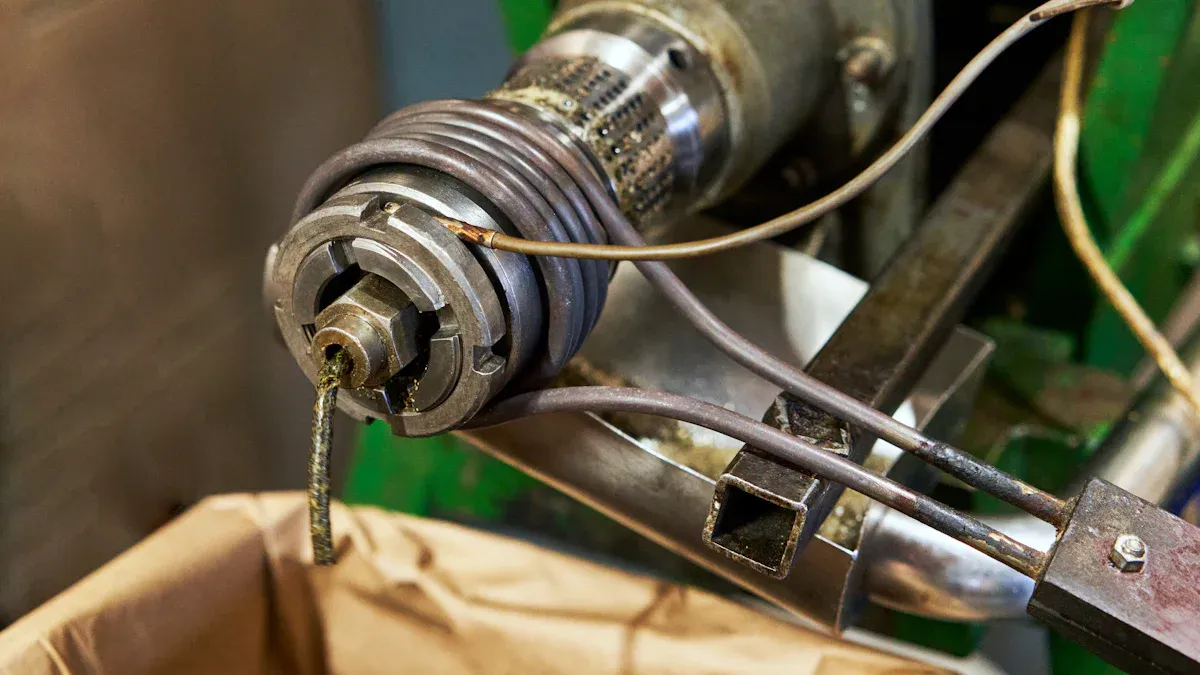
Ek sien gereeld vervaardigers vra watter ekstruder die beste resultate vir materiaalverwerking lewer. Die antwoord hang af van tegniese vereistes, prestasieteikens, en kostebeperkings. In 2024, mede-roterende Twin Screw-ekstruders oorheers die wêreldmark met 'n 71% inkomste deel omdat hulle uitblink in meng, selfreinigend, en ontgassing. As jy hoë deurset benodig of komplekse materiale hanteer, Twin Screw-ekstruders bied buigsaamheid en doeltreffendheid. Vergelyk die kernkenmerke in die tabel hieronder om jou te help besluit:
| Kenmerk | Enkelskroef-ekstruder | Dubbelskroef-ekstruder |
|---|---|---|
| Vervoermeganisme | Wrywing / Sleep vloei | Positiewe verplasing |
| Mengvermoë | Laag | Hoog |
| Selfreinigend | Nee | Uitstekend |
| Aanvanklike Belegging | Laer ($) | Hoër ($$$) |
Wenk: Evalueer u materiaalkompleksiteit en produksiedoelwitte voordat u 'n ekstruder kies.
Sleutel wegneemetes
- Dubbelskroef-ekstruders blink uit in meng, selfreinigend, en die hantering van komplekse materiale, maak hulle ideaal vir gevorderde toepassings.
- Enkelskroef-ekstruders is koste-effektief en makliker om te bedryf, die beste geskik is vir hoë-volume produksie van homogene materiale.
- Oorweeg die tipe materiaal en kompleksiteit wanneer jy 'n ekstruder kies; twee skroewe hanteer mengsels en bymiddels beter as enkelskroewe.
- Evalueer produksievolumebehoeftes; dubbele skroewe bied buigsaamheid vir gereelde produkveranderings, terwyl enkelskroewe doeltreffend is vir konsekwente lopies.
- Begrotingsbeperkings maak saak; dubbele skroewe vereis hoër aanvanklike belegging, maar kan lei tot beter gehalte en verminderde vermorsing in komplekse toepassings.
- Loodstoetsing met werklike materiaal is van kardinale belang om prestasie te bekragtig voordat jy tot 'n ekstruderaankoop verbind.
- Bly op hoogte van bedryfstendense soos outomatisering en volhoubaarheid om doeltreffendheid te verbeter en bedryfskoste te verminder.
- Raadpleeg verskaffers en versamel werklike verwysings om te verseker dat die gekose ekstruder aan u spesifieke produksiedoelwitte voldoen.
Tegniese Vergelyking
Dubbelskroefmeganisme
Positiewe verplasing
Wanneer ek werk met 'n dubbelskroef-ekstruder, Ek merk op hoe die positiewe verplasingsmeganisme uitstaan. Die twee skroewe draai saam, gryp en beweeg materiaal op 'n beheerde manier vorentoe. Hierdie aksie skep 'n bestendige vloei, wat beteken dat ek kan voorspel hoe lank materiaal in die ekstruder bly. Ek sien dit as 'n groot voordeel vir prosesbeheer. Die dubbelskroefontwerp skakel byna terugmenging uit, so elke stukkie materiaal kry dieselfde behandeling. Hierdie vlak van beheer help my om onder te vermy- of oorverwerking, wat produkkwaliteit kan verwoes.
Mengdoeltreffendheid
Mengdoeltreffendheid is waar die dubbelskroef werklik skyn. Die ineenlopende skroewe verdeel en herkombineer die materiaalstrome oor en oor. Ek sien dit dikwels beskryf as eksponensiële laagvermenigvuldiging. Hierdie aksie verseker dat bymiddels, vullers, of kleurstowwe eweredig versprei, selfs wanneer ek baie klein hoeveelhede gebruik. Die dubbelskroefmeganisme skep 'n hoë-intensiteit meng omgewing, wat noodsaaklik is vir komplekse formulerings. Ek vertrou hierop wanneer ek eenvormigheid en konsekwentheid in die finale produk benodig.
Hier is 'n tabel wat die meganismeverskille in oordrag en vermenging opsom:
| Aspek | Dubbelskroefmeganisme | Enkelskroefontwerp |
|---|---|---|
| Mengdoeltreffendheid | Beheer, herhalend, en hoë-intensiteit meng omgewing | Chaotiese vermenging afhanklik van turbulensie |
| Koshuistydbeheer | Benader 'propvloei’ met minimale terugmenging | Breë verblyftydverspreiding wat lei tot onder- en oorverwerkte materiaal |
| Laagvermenigvuldiging | Eksponensiële vermenigvuldiging van lae verseker eenvormige verspreiding van bymiddels | Beperkte vermoë om eenvormigheid te bereik, veral by lae konsentrasies |
| Temperatuurbeheer | Konstante roer skakel stagnante sones uit, verseker konsekwente viskositeit | Geneig tot temperatuur variasies wat lei tot vloei onstabiliteite en swak vermenging |
Ek beveel altyd 'n dubbelskroef-ekstruder aan wanneer ek presiese beheer oor meng en temperatuur benodig. Hierdie tegniese verskil lei tot beter werkverrigting, veral vir gevorderde materiaalverwerking.
Enkelskroef-ekstruderontwerp
Wrywing en sleepvloei
A enkelskroef-ekstruder maak staat op wrywing en sleepvloei om materiaal te beweeg. Die skroef draai binne 'n loop, stoot die materiaal vorentoe. Ek vind dat hierdie metode goed werk vir eenvoudige, homogene materiale. Egter, die proses hang af van die wrywing tussen die skroef, die vat, en die materiaal self. Dit kan lei tot ongelyke vloei en onvoorspelbare vermenging. Wanneer ek materiaal verwerk wat noukeurige additiewe verspreiding benodig, Ek merk op dat die enkelskroef-ontwerp sukkel om by die mengdoeltreffendheid van 'n dubbelskroef te pas.
Eenvoud en koste
Een rede waarom ek dikwels 'n enkelskroef-ekstruder vir basiese toepassings kies, is die eenvoud daarvan. Die ontwerp gebruik minder komponente, wat beteken laer konstruksie kompleksiteit en makliker onderhoud. Ek kan operateurs vinnig oplei, en ek spandeer minder op onderdele. Die aanvanklike belegging is baie laer in vergelyking met 'n dubbelskroef-ekstruder. Hier is 'n tabel wat die tegniese verskille in konstruksie en instandhouding uitlig:
| Kenmerk | Enkelskroef-ekstruder | Dubbelskroef-ekstruder |
|---|---|---|
| Konstruksie kompleksiteit | Eenvoudiger konstruksie | Meer komplekse masjinerie |
| Aantal komponente | Minder komponente | Hoër aantal komponente |
| Koste-effektiwiteit | Laer ontwerp- en bedryfskoste | Hoër aanvanklike beleggings |
| Onderhoudsvereistes | Laer onderhoudskoste as gevolg van minder onderdele | Hoër onderhoudskoste as gevolg van meer onderdele |
Wanneer ek groot volumes van 'n enkele moet verwerk, konsekwente materiaal, Ek vind die enkelskroef-ekstruder die mees koste-effektiewe en betroubare keuse. Die meganisme verskille tussen tweeling- en enkelskroefontwerpe het 'n direkte impak op die operasionele kompleksiteit, onderhoud, en algehele doeltreffendheid.
Let wel: Ek pas altyd die ekstruder tipe by die materiaal en proses vereistes. Vir komplekse vermenging en presiese beheer, Ek kies 'n dubbelskroef. Vir reguit, hoë volume produksie, Ek maak staat op 'n enkele skroef.
Prestasie en kwaliteit
Deurset en doeltreffendheid
Uitset Tariewe
Wanneer ek uitsetkoerse vergelyk, Ek sien dat dubbelskroef-ekstruders hoër produksiedoeltreffendheid lewer, veral met komplekse materiaalmengsels. Die positiewe verplasingsaksie van die tweelingskroewe verseker konsekwente uitset, selfs wanneer ek uitdagende formulerings verwerk. In my ervaring, 'n enkelskroef-ekstruder werk die beste vir reguit, homogene materiale. Dit bied betroubare uitset, maar sukkel met mengsels of materiale wat intensiewe vermenging vereis. Ek oorweeg altyd die tipe materiaal en die verlangde uitsetkwaliteit voordat ek 'n keuse maak.
Energiegebruik
Energiegebruik speel 'n groot rol in my besluitnemingsproses. Hier is wat ek waargeneem het:
- Dubbelskroef-ekstruders oor die algemeen meer energie verbruik as enkelskroef-ekstruders omdat hulle dubbelaandrywingstelsels gebruik.
- Die behoefte om twee ineenlopende skroewe te draai, verhoog kragvereistes, skep hoër skuifkragte en wringkrag eise.
- Enkelskroef-ekstruders is meer energiedoeltreffend, maar hulle kan nie komplekse of hoë-viskositeit materiale so effektief hanteer nie.
- Dubbelskroef-ekstruders bied uitstekende vermenging en beter beheer oor materiaal eienskappe, wat hul hoër energieverbruik in veeleisende toepassings kan regverdig.
- Ek balanseer altyd energieverbruik met die behoefte aan buigsaamheid en produkkwaliteit.
Ten spyte van hoër energieverbruik, dubbelskroef-ekstruders vergoed dikwels koste deur vermorsing te verminder en uitsetkwaliteit in grootskaalse produksie te verbeter.
Vermenging en Homogeniteit
Additiewe verspreiding
Mengprestasie onderskei die dubbelskroef. Ek maak staat op sy vermoë om bymiddels te versprei, vullers, en kleurstowwe eweredig, selfs by lae konsentrasies. Die dubbelskroefmeganisme skep 'n hoë-intensiteit mengomgewing, wat noodsaaklik is vir gevorderde formulerings. Wanneer ek 'n enkelskroef-ekstruder gebruik, Ek merk op dit kan nie ooreenstem met die verspreiding kwaliteit nie, veral met multi-fase mengsels.
Produkkonsekwentheid
Ek het gevind dat produkkonsekwentheid dramaties verbeter met 'n dubbelskroef-ekstruder. Die tabel hieronder beklemtoon sleutelverskille in vermenging en homogeniteit:
| Kenmerk | Dubbelskroef-ekstruders | Enkelskroef-ekstruders |
|---|---|---|
| Materiaalverspreiding | Uitstekende verspreiding van PC- en ABS-fases | Onvoldoende verspreiding, lei tot faseskeiding |
| Termiese stabiliteit | Verbeterde termiese stabiliteit | Gelokaliseerde oorverhitting in hoë-skuif sones |
| Meng kwaliteit | Hoër algehele versnit kwaliteit | Inkonsekwente smelthomogeniteit |
| Meganiese eienskappe | Verbeterde verlenging by breek, hoër impaksterkte | Swak meganiese werkverrigting |
| Meng Element Optimalisering | Gebruik van gevorderde elemente (FME, OF, DSE) | Basiese oordrag- en knieelemente |
Ek kies altyd 'n dubbelskroef wanneer ek eenvormigheid en hoë kwaliteit versnitte nodig het. Hierdie keuse lei tot beter meganiese eienskappe en konsekwente produkkwaliteit.
Prosesbeheer
Modulariteit
Modulariteit gee my buigsaamheid in prosesontwerp. 'n Dubbelskroef-ekstruder laat my toe om die skroefkonfigurasie en vatafdelings vir elke toepassing aan te pas. Ek kan vinnig aanpas by nuwe materiale of prosesveranderinge. Daarteenoor, 'n enkelskroef-ekstruder het 'n vaste ontwerp, wat aanpasbaarheid beperk.
Presisie
Presisie in prosesbeheer is belangrik vir gevorderde produksie. Ek baat by die volledige kanaalvermenging en beheerde skuif wat 'n dubbelskroef verskaf. Hierdie ontwerp minimaliseer drukval en maak hoë deurset moontlik met doeltreffende vermenging. Ek kan veelvuldige hoë-skuif sones skep sonder om die hele smelt te beklemtoon, wat materiaalverwerking verbeter. Die tabel hieronder som die verskille op:
| Kenmerk | Dubbelskroef-ekstruder | Enkelskroef-ekstruder |
|---|---|---|
| Mengdoeltreffendheid | Uitstekende vermenging, versprei, en smelt | Eenvoudiger ontwerp, minder doeltreffende vermenging |
| Modulariteit | Modulêre ontwerp maak voorsiening vir aanpassing | Vaste ontwerp, minder aanpasbaar |
| Prosesbeheer akkuraatheid | Verbeterde beheer oor komplekse formulerings | Basiese beheer, minder akkuraatheid |
| Materiaalversoenbaarheid | Hanteer 'n groter verskeidenheid materiale | Beperk tot eenvoudiger materiale |
| Koste | Tipies hoër prys | Meer koste-effektief |
In my ervaring, die dubbelskroef staan uit vir sy veelsydigheid, presisie, en die vermoë om komplekse materiale te hanteer. Ek pas altyd die ekstruder by die prosesvereistes om die beste te bereik prestasie en kwaliteit.
Toepassingsgeskiktheid
Dubbelskroeftoepassings
Komplekse formulerings
Ek kies dikwels 'n dubbelskroef-ekstruder wanneer ek met komplekse formulerings werk. Die dubbelskroefontwerp gee my presiese beheer oor meng en temperatuur, wat noodsaaklik is vir gevorderde versnitte. Ek verwerk graan- en styselgebaseerde produkte, versnaperinge, troeteldierkos, en soetgoed wat hierdie tegnologie gebruik. Die modulêre ontwerp stel my in staat om vinnig aan te pas by nuwe resepte of bestanddeelveranderinge. Ek gebruik ook dubbelskroef-ekstruders vir farmaseutiese produkte en watervoer, waar eenvormigheid en betroubare opskaal saak maak. In plastiek en polimeer verwerking, Ek maak staat op dubbelskroef vir versterkingsmodifikasie, funksionele wysiging, polimeer legering, en herwinning van granulering. Die vermoë om bymiddels eweredig te versprei maak dubbelskroef die beste toepassingskeuse vir meesterbatch produksie en laboratoriumproewe.
- Graan- en styselgebaseerde produkte
- Snacks en troeteldierkos
- Soetgoed
- Farmaseutiese middels
- Watervoer
- Polimeerlegering en herwinning
- Masterbatch produksie
- Wetenskaplike navorsing en formule-ontwikkeling
Hoë presisie behoeftes
Ek vertrou dubbelskroef-ekstruders vir hoë presisiebehoeftes. Wanneer ek hibriede hidrogels vervaardig, Ek het nodig eenvormige kruisbinding en presiese reaksietoestande. Die dubbelskroefmeganisme laat my hierdie doelwitte bereik, wat deurslaggewend is vir biomedisyne en gevorderde materiale. Ek baat ook by deursetkoerse tot 40 kg/h met die ZSK MEGAlab, wat betroubare opskaal en modulêre prosesontwerp ondersteun. Die dubbelskroef-ekstruder werk voortdurend, met optimale slytasieweerstand, wat dit ideaal maak vir nywerhede wat stabiele produksie oor lang tydperke vereis.
Enkelskroef-ekstruder gebruike
Homogene materiale
Ek kies 'n enkelskroef-ekstruder vir homogene materiale. Hierdie ekstruder werk die beste vir eenvoudige mengsels wat nie intensiewe vermenging vereis nie. Ek verwerk films, velle, en houers vir plastiekverpakking. Die enkelskroef-ekstruder hanteer ook seëls, pakkings, en snyprofiele in motortoepassings. Ek gebruik dit vir pype, venster profiele, en isolasie in konstruksie. Mediese buise en kateters, asook omhulsels en interne komponente vir verbruikerselektronika, word ook doeltreffend met hierdie tegnologie vervaardig.
- Plastiek verpakking: films, velle, houers
- Motor: seëls, pakkings, profiele afsny
- Konstruksie: pype, venster profiele, isolasie
- Medies: buis, kateters
- Verbruikers elektronika: omhulsels, interne komponente
Eenvoudige verwerking
Ek maak staat op enkelskroef-ekstruders vir eenvoudige verwerkingstake. Die eenvoudige ontwerp verminder onderhouds- en opleidingsvereistes. Ek kan hoë-volume produksie met minimale kompleksiteit bereik. Hierdie benadering pas by nywerhede waar materiaalkonsekwentheid en deurvloei belangriker is as gevorderde vermenging.
Industrie voorbeelde
Verpakking
Ek gebruik dubbelskroef-ekstruders vir verpakking wanneer ek herwonne inhoud of spesiale bymiddels moet inkorporeer. Vir standaard films en houers, Ek verkies enkelskroef-ekstruders vanweë hul doeltreffendheid en betroubaarheid.
Motor
In die motor, Ek kies dubbelskroef-ekstruders vir hoë-gehalte herwonne materiale en komplekse polimeermengsels. Enkelskroef-ekstruders bly my keuse vir seëls, pakkings, en sny profiele waar materiaalhomogeniteit krities is.
Medies en Voedsel
Vir mediese en voedseltoepassings, Ek is afhanklik van dubbelskroef-ekstruders wanneer ek presiese beheer en eenvormigheid benodig, soos in farmaseutiese formulerings of getekstureerde plantaardige proteïene. Enkelskroef-ekstruders hanteer buise, kateters, en basiese voedselverpakking met gemak.
Wenk: Ek pas altyd die ekstrudertipe by die kompleksiteit van die materiaal en die akkuraatheid wat deur die toepassing vereis word. Dubbelskroef blink uit in gevorderde en hoë-presisie produksie, terwyl enkelskroef-ekstruder die beste is vir eenvoudige, homogene materiale.
Koste en ROI
Aanvanklike Belegging
Toerusting Koste
Wanneer ek nuwe toerusting evalueer, Ek vergelyk altyd die prysklasse vir elke ekstruder tipe. Tweeskroefmodelle dek 'n wye reeks, van $20,000 vir laboratoriumskaal eenhede om $800,000 vir groot industriële masjiene. Die meeste mediumgrootte dubbelskroef-ekstruders val tussen $80,000 en $300,000. Enkelskroef-ekstruders kos gewoonlik minder, met pryse wat wissel van $50,000 aan $150,000. Ek vind dat die laer pryspunt enkelskroef-ekstruders aantreklik maak vir eenvoudige toepassings.
| Tipe ekstruder | Prysreeks (USD) |
|---|---|
| Tweeling skroef | $20,000 – $800,000 |
| Enkele skroef | $50,000 – $150,000 |
Installasie
Installasiekoste kan 'n aansienlike bedrag by die aanvanklike belegging voeg. Vir dubbelskroef-ekstruders, installasie voeg dikwels 10–30% by die basisprys, wat 'n ekstra kan beteken $5,000 aan $60,000 afhangende van die model en fasiliteit vereistes. Enkelskroef-ekstruders het gewoonlik laer installasiekoste, soms by die toerustingprys ingesluit.
Wenk: Ek sluit altyd installasiekoste by my begrotingsbeplanning in om verrassings te vermy.
Bedryfsuitgawes
Energie en Onderhoud
Energiegebruik en instandhouding beïnvloed my langtermyn uitgawes. Dubbelskroef-ekstruders benodig meer energie omdat hulle dubbelaandrywingstelsels gebruik en hoër skuifkragte skep. Ek sien dit weerspieël in my nutsrekeninge, veral tydens hoëvolume produksie. Roetine inspeksies, tydige vervanging van onderdele, en behoorlike smering help my om doeltreffendheid te handhaaf en toerusting se lewe te verleng. Onderhoud vir dubbelskroef-ekstruders is meer kompleks en duur as gevolg van die aantal komponente. Enkelskroef-ekstruders is meer koste-effektief om te bedryf en in stand te hou, wat pas by eenvoudiger produksiebehoeftes.
Arbeid
Arbeidskoste verskil ook. Ek benodig vaardige operateurs vir dubbelskroef-ekstruders vanweë hul modulêre ontwerp en prosesbeheerkenmerke. Opleiding neem meer tyd, en foutsporing vereis tegniese kennis. Enkelskroef-ekstruders is makliker om te gebruik, sodat ek personeel vinnig kan oplei en arbeidskoste laag kan hou.
Langtermynwaarde
Produktiwiteit
I focus on productivity and output when I assess long-term value. Dubbelskroef-ekstruders lewer konsekwente uitset en hanteer 'n wye verskeidenheid materiale. Hul modulêre ontwerp laat my aanpas vir verskillende produkte, wat my produksievermoë verhoog. Enkelskroef-ekstruders werk die beste vir hoë-volume lopies van eenvoudige, homogene materiale.
Kwaliteit impak
Produkgehalte maak saak in elke bedryf. Dubbelskroef-ekstruders gee my beter mengdoeltreffendheid en proses buigsaamheid. Dit lei tot beter produkgehalte en minder vermorsing. Ek sien vinniger opbrengste op belegging met dubbelskroef-ekstruders in komplekse of hoëwaarde-toepassings. Single screw extruders provide reliable quality for basic products at a lower cost.
| Kenmerk | Dubbelskroef-ekstruder | Enkelskroef-ekstruder |
|---|---|---|
| Mengdoeltreffendheid | Hoog (Dispersief) | Matig (Eenvoudig) |
| Proses Buigsaamheid | Hoog (Modulêr) | Laag (Vaste) |
| Pompvermoë | 100% (Konsekwent) | 40–60% (Druk-afhanklik) |
| Aanvanklike koste | Hoër | Laer |
| Onderhoud | Kompleks | Eenvoudig |
Let wel: Ek pas altyd my ekstruderkeuse by my produksiedoelwitte, materiële kompleksiteit, en begroting. Hierdie benadering verseker dat ek beide kwaliteit en opbrengs op belegging maksimeer.
Die keuse van die regte ekstruder
Sleutelfaktore
Materiaal tipe
Ek begin altyd deur die materiaal wat ek beplan om te verwerk, te evalueer. Materiaal eienskappe bepaal die ekstruderkonfigurasie en die finale produkkwaliteit beïnvloed. Byvoorbeeld, materiale wat deeglike smelt en stabiele skuif verg, soos polipropileen (PP) of poliëtileen (PE), voordeel trek uit langer L/D-verhoudings. Vogsensitiewe materiale soos PET en PA benodig ontgassingsafdelings om defekte te voorkom. Herwinde plastiek benodig dikwels uitgebreide smeltsones vir eenvormigheid. Wanneer ek met PVC werk, Ek vermy oorverhitting deur matige L/D-verhoudings te kies. ABS vereis sagte vermenging om vergeling te voorkom.
Dubbelskroef-ekstruders blink uit wanneer ek komplekse of besmette grondstowwe verwerk. Hul uitstekende meng- en prosesstabiliteit laat my toe om veelvuldige harse te hanteer, bymiddels, en kleurstowwe. Ek maak staat op dubbelskroef vir versnitte, meestergroepe, en materiale wat eenvormige verspreiding vereis. Daarteenoor, 'n enkelskroef-ekstruder is ideaal vir skoonmaak, konsekwente materiaal. Ek gebruik dit om enkelharse te smelt en te pelletiseer, veral wanneer die proses eenvoudig is en nie uitgebreide vermenging vereis nie.
Produksie Volume
Produksievolume vorm my ekstruderkeuse. Ek bepaal hoeveel materiaal ek daagliks of maandeliks moet verwerk. Dubbelskroef-ekstruders bied buigsaamheid en hoë deurset, wat hulle geskik maak vir grootskaalse bedrywighede of gereelde produkveranderings. Ek kan skroefkonfigurasies en vatseksies aanpas om by produksievereistes te pas. Wanneer ek hoë-volume bondels van homogene materiale hardloop, Ek verkies 'n enkelskroef-ekstruder. Die eenvoudige ontwerp en betroubare uitset maak dit doeltreffend vir deurlopende produksie.
Begroting
Begrotingsbeperkings rig my besluit. Ek vergelyk aanvanklike belegging, installasie, en bedryfskoste. Dubbelskroef-ekstruders vereis hoër besteding vooraf, maar lewer voortreflike vermenging en prosesbeheer. Hulle regverdig hul koste in komplekse of hoë-waarde toepassings. Enkelskroef-ekstruders kos minder en is makliker om te onderhou. Ek kies hulle vir basiese produkte en wanneer my begroting beperk is.
Ek oorweeg altyd toekomstige uitbreiding of wesenlike diversifikasieplanne. As ek verwag om nuwe materiale te verwerk of kapasiteit te verhoog, Ek belê in modulêre ekstrueerders wat opgraderings ondersteun.
Hier is 'n tabel wat die sleutelfaktore:
| Faktor | Dubbelskroef-ekstruder | Enkelskroef-ekstruder |
|---|---|---|
| Materiële kompleksiteit | Hanteer mengsels, bymiddels | Beste vir enkelharse |
| Produksie Volume | Buigsaam, hoë deurset | Doeltreffend vir groot groepe |
| Begroting | Hoër belegging, modulêr | Laer koste, eenvoudige ontwerp |
| Uitbreidingspotensiaal | Supports upgrades | Beperkte buigsaamheid |
Wanneer om dubbelskroef te gebruik
Ek kies dubbelskroef-ekstruders wanneer ek gevorderde meng nodig het, samestelling, of proses buigsaamheid. Hulle hanteer besmette of multi-komponent grondstowwe met gemak. Ek maak staat op dubbelskroef vir toepassings wat eenvormige verspreiding vereis, soos kleur meesterbatches, polimeermengsels, en herwonne materiale. When I process moisture-sensitive or high-viscosity materials, dubbelskroef-ekstruders bied stabiele werking en konsekwente kwaliteit. Hul modulêre ontwerp stel my in staat om vinnig aan te pas by nuwe formulerings of produksievereistes.
- Komplekse formulerings met veelvuldige bymiddels
- Verwerking van herwonne of besmette materiaal
- Toepassings wat presiese vermenging en temperatuurbeheer vereis
- Gereelde produkveranderinge of uitbreidingsplanne
Dubbelskroef-ekstruders lewer uitstekende werkverrigting in veeleisende omgewings. Ek beveel dit aan vir vervaardigers wat veelsydigheid en hoë kwaliteit uitset soek.
Wanneer om enkelskroef-ekstruder te gebruik
Ek kies 'n enkelskroef-ekstruder vir eenvoudige verwerkingstake. Dit werk die beste met skoon, homogene materiale en enkelharse. Ek gebruik dit om te smelt, pelletisering, en vorming van produkte waar gevorderde vermenging nie nodig is nie. Die eenvoudige ontwerp verminder onderhouds- en opleidingsbehoeftes. Wanneer ek hoë-volume produksie van basiese items bedryf, 'n enkelskroef-ekstruder bied betroubare werkverrigting en kostedoeltreffendheid.
- Verwerking van maagdelike of herwonne enkelharse
- Hoëvolume produksie van eenvoudige produkte
- Toepassings met minimale mengvereistes
- Projekte met beperkte begroting of tegniese kompleksiteit
Ek maak staat op enkelskroef-ekstruders vir konsekwente uitset en lae bedryfskoste. Hulle pas by nywerhede waar materiaalkonsekwentheid en deurset die belangrikste is.
Praktiese wenke
Verkoper konsultasie
Ek begin altyd my ekstruder-seleksieproses deur met betroubare verskaffers te konsulteer. Hierdie stap help my om duur foute te vermy en verseker dat ek die regte masjien vir my behoeftes kry. Ek definieer my uitsetvereistes met akkuraatheid. Ek spesifiseer die tipe produk, afmetings, teiken uitset, lynspoed, en produksiedoelwitte. voeg ek by 20–30% kapasiteit kopruimte na my berekeninge. Hierdie praktyk voorkom oorlading en gee my buigsaamheid vir toekomstige groei.
Ek pas die skroefkonfigurasie by die materiaal wat ek beplan om te verwerk. Vir stewige PVC, Ek kies 'n dubbelskroef-ekstruder. Vir buigsame PVC of vooraf saamgestelde materiale, Ek kies 'n enkelskroef-ekstruder. Ek prioritiseer energiedoeltreffendheid deur te soek na masjiene met servomotoraandrywings, doeltreffende ratkaste, en geïsoleerde vate. Hierdie kenmerke help my om bedryfskoste oor tyd te verminder.
Wanneer ek ratkaste evalueer, Ek beskou die vervaardiger se reputasie, wringkrag gradering, tipe dra, en smeerstelsel. Ratkas mislukking kan lei tot duur stilstand, so ek mis nooit hierdie detail nie. Ek maak ook seker dat alle stroomaf toerusting versoenbaar is met die ekstruder. Ek verkies om die volledige ekstrusielyn by een verskaffer aan te koop. Hierdie benadering verminder integrasiekwessies en stroomlyn installasie.
Ek kyk altyd na werklike verwysings voordat ek 'n finale besluit neem. Ek kontak bestaande gebruikers om masjienwerkverrigting te verifieer, uptyd, en diensreaksie. Ek vra oor na-verkope ondersteuning en onderdele beskikbaarheid. Ek verkies verskaffers met streekspakhuise en vinnige versendingsvermoëns. Dit verseker dat ek probleme vinnig kan oplos en my produksie glad kan laat loop.
Wenk: Ek beveel aan om 'n sterk verhouding met jou verkoper te bou. Oop kommunikasie lei tot beter ondersteuning en langtermyn sukses.
Vlieëniertoetsing
Voordat ek my tot 'n groot belegging verbind, Ek reël loodstoetsing met die ekstruder verskaffer. Hierdie stap stel my in staat om masjienprestasie met my werklike materiale en formulerings te valideer. Ek bring monsterbatches en laat dit onder werklike produksietoestande hardloop. Ek neem die mengkwaliteit waar, deurset, en energieverbruik. Ek kyk ook vir enige verwerkingsuitdagings of onverwagte resultate.
Loodstoetsing gee my vertroue in my toerustingkeuse. Ek kan prosesparameters fyn instel en potensiële knelpunte identifiseer voor volskaalse produksie. Ek betrek my tegniese span by die toetsproses. Hul terugvoer help my om ingeligte besluite te neem en verseker 'n gladde oorgang na kommersiële bedryf.
Ek dokumenteer alle toetsresultate en vergelyk dit met my produksieteikens. As die extruder aan my verwagtinge voldoen of oortref, Ek gaan voort met die aankoop. Indien nie, Ek bespreek aanpassings of alternatiewe konfigurasies met die verkoper. Hierdie praktiese benadering verminder risiko en maksimeer my opbrengs op belegging.
Let wel: Ek slaan nooit vlieëniertoetse oor nie, veral vir nuwe materiale of komplekse formulerings. Dit is die beste manier om te verseker dat die ekstruder die resultate sal lewer wat ek nodig het.
Deur hierdie praktiese stappe te volg, Ek maak selfvertroue, data-gedrewe besluite wanneer 'n ekstruder gekies word. Ek verseker betroubare prestasie, doeltreffende werking, en langtermynwaarde vir my produksielyn.
Nywerheidstendense
Hibriede oplossings
Opkomende tegnologieë
Ek sien 'n golf van innovasie wat ekstruderstelsels transformeer. Vervaardigers belê nou baie in navorsing en ontwikkeling. Ek merk nuwe masjiene wat toegerus is met gevorderde sensors en data-analise. Hierdie kenmerke stel my in staat om die ekstrusieproses intyds te monitor. Kunsmatige intelligensie-integrasie maak die proses meer voorspellend en doeltreffend. Ek kan parameters vinnig aanpas, wat in lyn is met die industrie 4.0 beginsels. Slim tegnologie help my verminder stilstand met tot 20%. Hierdie verbetering verhoog algehele werkverrigting en hou my produksielyn glad aan die gang.
- Gevorderde sensors bespeur onreëlmatighede vroeg, duur mislukkings te voorkom.
- Datagedrewe insigte help my om konsekwente kwaliteit te handhaaf.
- Volgende generasie masjiene pas by veranderende materiale en resepte aan.
Outomatisering integrasie
Automation has changed how I manage extrusion lines. I rely on automated systems to boost efficiency and reduce manual intervention. Real-time monitoring lets me spot issues before they become problems. Predictive maintenance schedules repairs at the right time, which cuts unexpected downtime. I find that automation brings a steep learning curve for my team. Egter, the long-term gains in productivity and quality make the investment worthwhile.
- Automated controls optimize energy use and material flow.
- Integration with smart factory systems supports seamless production.
- Training and upskilling my staff ensures we get the most from new technology.
Volhoubaarheid
Energiedoeltreffendheid
Sustainability drives many of my decisions. Ek kies ekstrueerders met high-efficiency motors and advanced heating systems. These features lower power demand and reduce my energy bills. Ek gebruik induksie verwarming spoele vir vinniger, doelgerigte verhitting. Intelligente outomatisering pas energie-insette intyds aan, ledige verbruik te verminder. Ek gradeer ook op na AC vektor dryf vir beter spoedbeheer en energiebesparing. Direkte-aangedrewe ekstrueerders skakel ondoeltreffende ratkaste uit, energieverbruik verder te verminder.
| Tipe verbetering | Beskrywing |
|---|---|
| Hoë-doeltreffendheid motors | Verminder die algehele kragaanvraag |
| Gevorderde verwarmingstelsels | Keramiek- of induksieverwarmers vir beter hitteverspreiding |
| Intelligente outomatisering | Intydse monitering en aanpassings om energie-insette te optimaliseer |
| Meganiese ontwerpverbeterings | Liggewig onderdele en geoptimaliseerde skroewe om weerstand en energieverbruik te verlaag |
| Herwinning van afvalhitte | Vang en hersirkuleer hitte om inkomende grondstowwe voor te verhit |
Vermindering van afval
Ek fokus op die vermindering van vermorsing in elke stadium. Dubbelskroef-ekstruders help my om te herwin plastiek, selfs diegene met kontaminante. Hierdie vermoë ondersteun 'n sirkulêre ekonomie deur afval in waardevolle produkte te omskep. Ek gebruik slim proseskontroles wat instellings outomaties aanpas om afval te minimaliseer. Voorspellende instandhouding hou my toerusting doeltreffend aan die gang, wat materiële verlies verminder. Ek implementeer ook afvalhitteherwinningstelsels om warm uitlaatgas op te vang en voermateriaal voor te verhit, bespaar beide energie en hulpbronne.
- Dubbelskroef-ekstruders maak gevorderde herwinning en materiaalhergebruik moontlik.
- Geoptimaliseerde verkoelingstelsels voorkom oorverkoeling en onnodige vermorsing.
- Slim kontroles en voorspellende instandhouding verbeter opbrengs en verlaag omgewingsimpak.
Ek glo dat die aanvaarding van hierdie neigings my onderneming posisioneer vir langtermyn sukses en volhoubaarheid.
Ek pas altyd my ekstruderkeuse by die materiaal, produksie doelwitte, en begroting. Hier is 'n vinnige vergelyking:
| Kenmerk | Enkele skroef | Tweeling skroef |
|---|---|---|
| Koste | Laer | Hoër |
| Mengvermoë | Voldoende | Superior |
| Buigsaamheid | Beperk | Hoogs buigsaam |
| Aansoek | Eenvoudige materiale | Komplekse formulerings |
Om die beste uitkoms te verseker, ek konsulteer met verkopers, proefverslae aanvra, en reël loodstoetse. Hierdie benadering help my om toerustingversoenbaarheid en langtermynwaarde te bevestig.
Gereelde vrae
Wat is die grootste voordeel van 'n dubbelskroef-ekstruder?
Ek vind dat dubbelskroef-ekstruders uitstekende meng- en prosesbeheer bied. Hulle hanteer komplekse materiale en bymiddels met gemak. Dit maak hulle ideaal vir gevorderde formulerings en hoë-presisie toepassings.
Wanneer moet ek 'n enkelskroef-ekstruder kies?
Ek kies 'n enkelskroef-ekstruder vir eenvoudig, homogene materiale. Dit werk die beste vir hoëvolume produksie waar gevorderde vermenging nie nodig is nie. Die laer koste en maklike instandhouding maak dit 'n praktiese keuse.
Hoe vergelyk energiekoste tussen die twee tipes?
Dubbelskroef-ekstruders gebruik meer energie as gevolg van dubbele aandrywings en hoër skuif. Enkelskroef-ekstruders verbruik minder krag. Ek balanseer altyd energieverbruik met die behoefte aan produkkwaliteit en prosesbuigsaamheid.
Kan ek herwonne materiaal met beide ekstrueerders verwerk?
Ek verwerk herwonne materiaal meer doeltreffend met dubbelskroef-ekstruders. Hul ontwerp hanteer kontaminante en veranderlike grondstowwe beter. Enkelskroef-ekstruders werk vir skoon, konsekwente herwonne harse.
Watter onderhoudsuitdagings moet ek verwag?
Dubbelskroef-ekstruders vereis meer gereelde en bekwame onderhoud. Die komplekse ontwerp beteken meer onderdele om te inspekteer en te vervang. Enkelskroef-ekstruders het minder komponente, dus spandeer ek minder tyd en geld aan instandhouding.
Hoe besluit ek watter ekstruder by my behoeftes pas?
Ek begin deur my tipe materiaal te evalueer, produksie volume, en begroting. Ek konsulteer met verkopers en reël loodstoetse. Hierdie benadering verseker dat ek die regte ekstruder vir my proses kies.
Is dubbelskroef-ekstruders moeiliker om te bedryf?
Ja, Ek vind dubbelskroef-ekstruders vereis meer opleiding en tegniese kennis. Hul modulêre ontwerp en proseskontroles voeg kompleksiteit toe. Enkelskroef-ekstruders is makliker om te bedryf en personeel op te lei.
Watter nywerhede baat die meeste by dubbelskroef-ekstruders?
Nywerhede soos plastiek, farmaseutiese produkte, en voedselverwerking baat die meeste. Ek gebruik dubbelskroef-ekstruders vir toepassings wat gevorderde vermenging benodig, presiese beheer, en buigsaamheid met verskillende materiale.