

Omvattende gids tot herwinning en granulering van plastiek en swael
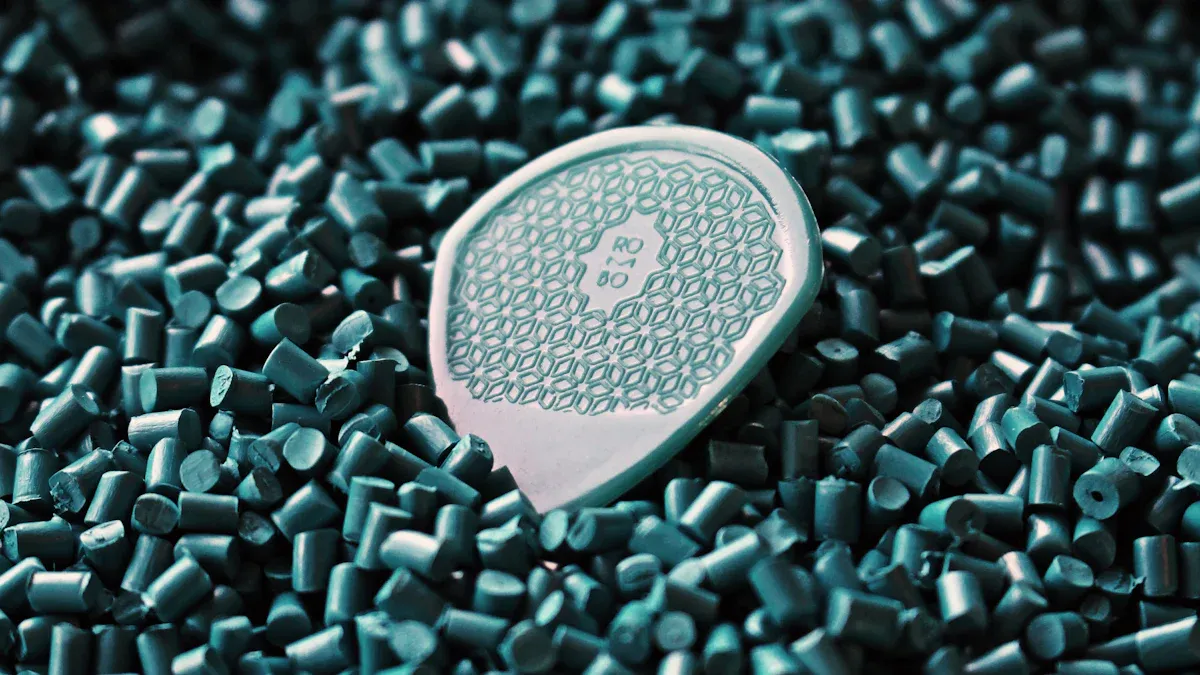
Ek sien dat veilige en doeltreffende herwinning begin met die begrip van die unieke eienskappe van plastiek en swael. Chemiese verenigbaarheid maak saak, veral wanneer olies in wisselwerking met plastiek is. Die meeste industriële plastiekafval word herwin teen 'n tempo van oor 9%, wat 'n behoefte aan beter oplossings toon. Ek maak staat op gevorderde toerusting soos die IPG Pelletizing Machine Plastic om herwinningsresultate te verbeter. In plastiek en swael industriële verwerking, beste praktyke vir swaelgranulering en -vervoer help om risiko's te verminder en kwaliteit 'n hupstoot te gee.
- Wêreldwye industriële plastiekafval herwinningskoers: oor 9%
Sleutel wegneemetes
- Om die chemiese verenigbaarheid tussen plastiek en olies te verstaan, is noodsaaklik om skade tydens herwinning te vermy.
- Om plastiek te vergruis verminder volume en verbeter kwaliteit, om herwinning meer doeltreffend en kostedoeltreffend te maak.
- Meganiese herwinning werk die beste vir skoon, gesorteerde plastiek, terwyl chemiese herwinning gemengde of besmette materiaal hanteer.
- Die gebruik van weerstandskaarte en onderdompelingstoetse help om die veilige herwinning van plastiek wat aan verskillende olies blootgestel is, te verseker.
- Om swael te korrel verbeter veiligheid deur stof te verminder en hantering makliker te maak, terwyl gevorderde verkoeling sterk korrels verseker.
- Die keuse van die regte toerusting en materiaal vir swaelvervoer voorkom korrosie, stofgevare, en toerusting mislukkings.
- Gereelde instandhouding, stofbeheer, en stelselintegrasie verhoog doeltreffendheid en veiligheid in beide plastiekherwinning en swaelhantering.
- Volhoubare praktyke, insluitend energiedoeltreffende toerusting en biokoolstof-gebaseerde bymiddels, ondersteun 'n veiliger en groener bedryf.
Chemiese verenigbaarheid van plastiek en olies
Sleutel veranderlikes
Polimeer tipes
Ek begin altyd deur die tipe polimeer te identifiseer voordat plastiek herwin word. Elke polimeer reageer verskillend op olies. Poliëtileen (PE) en polipropileen (PP) toon sterk weerstand teen baie olies. Polistireen (PS) en poliëtileentereftalaat (PET) breek dikwels af wanneer dit aan sekere olies blootgestel word. Polikarbonaat (PC) en akrielonitril-butadieen-styreen (ABS) kan kraak of bros word na kontak met olie. Nylon staan uit vir sy duursaamheid teen olies. Ek kontroleer die tipe polimeer om te voorspel hoe dit tydens herwinning sal optree.
Olie tipes & Temperature
Olie tipe en temperatuur speel 'n groot rol in verenigbaarheid. Kookolies soos olyfolie en kanola veroorsaak gewoonlik ligte effekte op PE en PP. Essensiële olies, soos suurlemoen of bloekom, bevat verbindings wat plastiek soos PS en PET selfs by kamertemperatuur aanval. Motorolies en sintetiese smeermiddels kan PE bros maak en spanningskrake in PC en ABS veroorsaak. Hidrouliese olies, met hul bymiddels, kan lei tot brosheid en swelling in plastiek wat nie vir hidrouliese gebruik gegradeer is nie. Ek neem altyd die olie se chemiese samestelling en temperatuur in ag tydens herwinning.
Wenk: Ek beveel aan om beide die olietipe en die temperatuur na te gaan voordat plastiek en olie in enige herwinningsproses gemeng word.
Termiese vs. Chemiese effekte
Smeltpunte
Ek gee baie aandag aan smeltpunte. PE smelt by ongeveer 120°C, PP by 160°C, en PET by 250°C. As olieblootstelling die temperatuur naby hierdie smeltpunte verhoog, plastiek kan vervorm of smelt. Chemiese reaksies kan vinniger by hoër temperature plaasvind. Ek monitor temperatuur om ongewenste veranderinge te voorkom.
Olie temperatuur reekse
Olietemperatuur beïnvloed hoe plastiek reageer. Koue olies veroorsaak selde onmiddellike skade. Warm olies versnel chemiese reaksies en kan plastiek versag of kromtrek. Byvoorbeeld, warm motorolie kan PE en PC vinnig bros maak. Ek hou olietemperature laag tydens herwinning om plastiekgehalte te beskerm.
Weerstand vs. Kwesbare plastiek
Oliebestande tipes
Sommige plastiek weerstaan olieblootstelling goed:
- Polipropileen (PP)
- Nylon
- Poliëtileen (PE)
Hierdie materiale hanteer motorolies, hidrouliese olies, en kookolies met minimale skade.
Olie-kwesbare tipes
Ander plastiek toon kwesbaarheid:
- Polistireen (PS)
- Poliëtileentereftalaat (PET)
- Polikarbonaat (PC)
- Akrielnitril-butadieen-styreen (ABS)
Hierdie plastiek kan oplos, kraak, of verdraai na oliekontak, veral met essensiële olies of warm smeermiddels.
| Plastiek tipe | Olie weerstand | Tipiese reaksie |
|---|---|---|
| PE, PP, Nylon | Hoog | Minimale verandering |
| PS, PET, PC, ABS | Laag | Kraak, verdraaiing, ontbinding |
Ek pas plastiek en olies altyd versigtig om herwinningsmislukkings te vermy en veilige verwerking te verseker.
Toetsversoenbaarheid
Weerstandkaarte
Ek gaan altyd weerstandskaarte na voordat plastiek wat aan olies blootgestel is, herwin. Hierdie kaarte wys hoe verskillende plastiek op verskillende olies en chemikalieë reageer. Ek vind hulle nuttig omdat hulle vinnige antwoorde gee oor versoenbaarheid. Byvoorbeeld, 'n weerstandskaart kan poliëtileen lys as “uitstekend” teen motorolie, terwyl polistireen wys “arm” weerstand. Ek gebruik hierdie kaarte om foute te vermy en kies die regte materiaal vir herwinning.
| Plastiek tipe | Motor Olie | Kookolie | Essensiële olie |
|---|---|---|---|
| PE | Uitstekend | Uitstekend | Goed |
| PP | Uitstekend | Uitstekend | Goed |
| PS | Arm | Regverdig | Arm |
| PET | Regverdig | Goed | Arm |
| Nylon | Goed | Goed | Goed |
Wenk: Ek beveel aan om opgedateerde weerstandskaarte in die herwinningsarea te hou. Dit help almal om vinnig veilige keuses te maak.
Onderdompelingstoetsing
Soms, weerstandskaarte dek nie elke olie- of plastiektipe nie. Ek gebruik onderdompelingstoetse om versoenbaarheid in hierdie gevalle na te gaan. Ek sny 'n klein monster van die plastiek en plaas dit in die olie. Ek los dit vir 'n vasgestelde tydperk, gewoonlik 24 aan 48 ure. Na die toets, Ek soek veranderinge soos swelling, krake, of kleurverskuiwings. As die plastiek onveranderd bly, Ek weet dit is veilig vir herwinning met daardie olie. As ek skade sien, Ek vermy om daardie materiale te meng.
Ek teken my resultate in 'n notaboek aan. Dit help my om 'n pasgemaakte versoenbaarheidsgids vir my fasiliteit te bou. Onderdompelingstoetsing gee my vertroue wanneer weerstandskaarte onduidelik is of ontbreek.
Algemene wanopvattings
Termiese vs. Chemiese skade
Baie mense dink hitte alleen veroorsaak plastiese skade. Ek het geleer dat chemiese reaksies net so skadelik kan wees. Olies kan plastiek selfs by kamertemperatuur afbreek. Hitte versnel hierdie reaksies, maar chemiese skade kan sonder hoë temperature plaasvind. Ek kontroleer altyd beide termiese en chemiese risiko's voor herwinning.
Let wel: Ek maak nooit net op temperatuurlesings staat nie. Chemiese blootstelling maak soveel saak as hitte.
Langtermyn-blootstellingsrisiko's
Korttermyntoetse mis dikwels langtermynrisiko's. Ek het vroeër geglo plastiek is veilig as dit vinnige onderdompelingstoetse geslaag het. Met verloop van tyd, Ek het gesien hoe plastiek kraak of verswak ná maande se olieblootstelling. Langtermyn kontak kan stadige maar ernstige skade veroorsaak. I now monitor plastics for extended periods and review old samples regularly.
I advise others to consider both immediate and delayed effects. This prevents unexpected failures and keeps recycling safe.
Plastic Crushing & Recycling Methods
Why Crushing Matters
Crushing plastic is the first step I take in any recycling process. This step shapes everything that follows. When I crush plastic waste, I make it easier to handle, sort, en proses. The benefits go beyond just making pieces smaller.
Volume Reduction
I notice that raw plastic waste takes up a lot of space. Crushing reduces the volume, making storage and transport much more efficient. Smaller pieces fit better into bins and hoppers, which helps downstream equipment work smoothly. I rely on this step to keep my facility organized and cost-effective.
| Bewyspunt | Beskrywing |
|---|---|
| Volume Reduction | Om te vergruis verminder die ruimte wat rou plastiekafval inneem, maak dit hanteerbaar vir stroomaf toerusting. |
| Materiële kwaliteit verbetering | Eenvormige grootte van gebreekte plastiek verbeter wasdoeltreffendheid en verminder besoedeling. |
| Doeltreffendheid in herwinning | Besluite wat tydens die vergruising geneem word, beïnvloed die kwaliteit van die finale herwinde produk, wat alle daaropvolgende prosesse beïnvloed. |
Kwaliteit verbetering
Eenvormig gebreekte plastiek verbeter die kwaliteit van die herwonne materiaal. Wanneer ek plastiek tot 'n konsekwente grootte vergruis, Ek maak was en sorteer makliker. Hierdie stap verminder kontaminasie en verhoog die doeltreffendheid van elke proses wat volg. Ek vind dat fynmaak van hoë gehalte lei tot hoë kwaliteit herwonne korrels.
Wenk: Ek gaan altyd die grootte en vorm van gebreekte plastiek na voordat ek na die volgende stap gaan. Konsekwentheid hier spaar later tyd en geld.
- Verplettering beïnvloed die skeiding van gemengde materiale, wat herwinning kan bemoeilik as dit nie reg bestuur word nie.
- Gevorderde sorteertegnologie is noodsaaklik om uitdagings wat uit gebreekte materiale ontstaan, aan te spreek.
- Deurlopende prosesaanpassings en prestasiebeoordelings is van kritieke belang vir die handhawing van hoë kwaliteitstandaarde in herwinde uitsette.
Meganiese Herwinning
Meganiese herwinning vorm die ruggraat van my plastiekverwerkingswerkvloei. Ek gebruik dit om afvalplastiek in nuwe grondstowwe te verander sonder om hul chemiese struktuur te verander. Hierdie metode is energie-doeltreffend en koste-effektief, veral vir enkeltipe plastiek.
Breker tipes
Ek kies brekers op grond van die tipe en vorm van plastiekafval. Vir dun films, Ek gebruik granuleerders met skerp lemme. Vir lywige items soos bottels of kratte, Ek maak staat op swaardiens-versnipperaars. Sommige plastiek benodig gespesialiseerde brekers om hul taaiheid of brosheid te hanteer. Die regte breker verseker doeltreffende groottevermindering en berei die materiaal voor vir verdere verwerking.
Handleiding vs. Meganies
Handmatige drukwerk werk vir klein hoeveelhede of wanneer ek materiaal met die hand moet skei. Egter, meganiese brekers hanteer groot volumes vinnig en konsekwent. Ek verkies meganiese metodes vir die meeste operasies omdat dit arbeid bespaar en eenvormige resultate lewer. Meganiese herwinning oorheers die bedryf, veral in streke soos Europa, waar dit meer as verantwoordelik is 99% van herwonne plastiek.
Meganiese herwinning herverwerk plastiek fisies, die vervaardiging van materiale met eienskappe naby aan ongewone plastiek. Dit werk die beste met homogene plastiek, so ek sorteer en maak materiaal deeglik skoon voordat ek fyngedruk word. Ek weet dat herhaalde herwinning polimeer eienskappe kan afbreek, so ek monitor die kwaliteit van elke bondel.
Voor-versnippering
Voorafsnyding is 'n stap wat ek nooit oorslaan wanneer ek met groot of gemengde plastiekafval te doen het nie. Ek gebruik versnippers om lywige items in hanteerbare stukke af te breek voordat ek dit finaal fyngedruk word. Hierdie stap beskerm my hoofbreker teen konfyte en slytasie. Voorafsnyding help my ook om besoedeling of nie-plastiek materiaal vroeg op te spoor, wat die herwinningsproses skoon en doeltreffend hou.
Sleutelprestasiefaktore
Verskeie faktore beïnvloed hoe goed my vergruis- en herwinningstoerusting vaar. Ek gee noukeurig aandag aan hierdie besonderhede om doeltreffendheid en uitsetkwaliteit te maksimeer.
| Prestasiefaktor | Beskrywing |
|---|---|
| Materiaal tipe en vorm | Verskillende plastiek benodig spesifieke snykragte en lemtipes vir effektiewe drukwerk. |
| Blade Gap | The clearance between blades affects cut quality; tighter gaps yield cleaner cuts but increase wear. |
| Screen Mesh Size | Determines output particle size; smaller sizes reduce throughput due to recirculation. |
| Rotor Speed | Affects throughput and heat generation; higher speeds increase output but may create fine particles. |
| Voertempo | Proper feeding is crucial; overfeeding can damage equipment, while underfeeding reduces efficiency. |
| Onderhoud | Regular blade maintenance is essential to prevent quality drops and equipment strain. |
| Contamination Management | Proper dust and airflow management is necessary to avoid overheating and equipment failure. |
Blade Selection
I select blades based on the type of plastic and the desired output size. Hard plastics need tougher blades, while softer plastics require sharper edges. Ek gaan gereeld die lemgaping na, want nouer gapings gee skoner snye maar dra vinniger uit. Ek vervang of slyp lemme gereeld om hoë werkverrigting te handhaaf.
Skermnetwerk
Die skermmaas beheer die grootte van die gebreekte plastiekstukke. Kleiner maasgroottes produseer fyner deeltjies, maar vertraag die proses omdat materiaal hersirkuleer totdat dit deur die maas pas. Ek balanseer maasgrootte met deurset om my produksiedoelwitte te bereik. Konsekwente deeltjiegrootte verbeter later was en pelletisering.
Rotor Speed & Voertempo
Rotorspoed beïnvloed hoe vinnig ek plastiekafval kan verwerk. Hoër snelhede verhoog uitset, maar kan meer fyn deeltjies en hitte skep. Ek pas die spoed aan om by die plastiektipe en gewenste uitset te pas. Voertempo maak saak, ook. Oorvoeding kan die masjien vassit, terwyl ondervoeding energie mors. Ek monitor albei om my operasie glad te laat verloop.
Let wel: Gereelde instandhouding en stofbeheer hou my toerusting doeltreffend aan die gang en voorkom onverwagte onklaarrakings.
Integrasie van gevorderde oplossings
Ek maak staat op die Exintelmach IPG Pelletizing Machine Plastic om my herwinningsproses te stroomlyn. Hierdie masjien kombineer verplettering, verdigting, smelt, en pelletisering in een sisteem. Die aanpasbare skroef-ekstruder en gevorderde pelletiseringsopsies laat my 'n wye reeks plastiek verwerk. Die IPG Pelletiseermasjien gebruik presiese temperatuurbeheer en gevorderde filtrasie om eenvormig te produseer, hoë kwaliteit korrels. Outomatiseringskenmerke verminder arbeid en verseker konsekwente uitset. Ek vind dat hierdie tegnologie nie net doeltreffendheid verhoog nie, maar ook die kwaliteit en waarde van my herwonne plastiek verbeter.
Chemiese Herwinning
Chemiese herwinning gee my 'n manier om plastiek af te breek buite meganiese metodes. Ek gebruik hierdie proses wanneer meganiese herwinning nie materiaal van hoë gehalte kan produseer nie. Chemiese herwinning maak staat op oplosmiddels en chemiese reaksies om plastiek in hul basiese boustene te omskep. Ek vind hierdie metode nuttig vir gemengde of besmette plastiek wat meganiese herwinning nie kan hanteer nie.
Oplosmiddel-gebaseerde metodes
Oplosmiddel-gebaseerde herwinning gebruik chemikalieë om plastiek op te los. Ek kies oplosmiddels soos asetoon, dichloormetaan, of tetrahidrofuraan (THF) gebaseer op die tipe polimeer. Ek plaas gekerfde plastiek in 'n oplosmiddelbad. Die oplosmiddel breek die polimeerkettings af, onsuiwerhede en kleurstowwe te skei. Na ontbinding, Ek filtreer kontaminante uit en herwin die suiwer polimeer. Ek presipiteer dan die polimeer deur nog 'n chemikalie by te voeg of die oplossing af te koel. Hierdie proses produseer skoon, hoë kwaliteit plastiek gereed vir hergebruik.
Ek monitor altyd die gebruik van oplosmiddels noukeurig. Oplosmiddels kan gevaarlike afval genereer en vereis behoorlike wegdoening. Ek gebruik beskermende toerusting en volg veiligheidsriglyne om blootstelling te voorkom. Oplosmiddel-gebaseerde metodes werk die beste vir plastiek soos polistireen, polivinielchloried, en PET.
Depolimerisasie
Depolimerisasie neem chemiese herwinning 'n stap verder. Ek gebruik hitte, katalisators, of ensieme om plastiek in monomere af te breek. Hierdie monomere dien as grondstowwe vir nuwe plastiekproduksie. Ek pas depolimerisasie toe op plastiek soos PET en nylon. Die proses behels die verhitting van die plastiek in 'n reaktor, soms met sure of basisse. Die plastiek breek uitmekaar in sy oorspronklike chemiese eenhede.
Ek verkies depolimerisasie vir die vervaardiging van hoë-suiwer materiale. Hierdie metode laat my toe om plastiek te herwin wat meganiese metodes nie tot hul oorspronklike kwaliteit kan herstel nie. Depolimerisasie help my ook om die lus in die sirkulêre ekonomie te sluit.
Wenk: Ek vergelyk altyd chemiese en meganiese herwinning voordat ek 'n metode kies. Chemiese herwinning lewer suiwerder uitset, maar vereis versigtige hantering van chemikalieë.
| Aspek | Chemiese Herwinning | Meganiese Herwinning |
|---|---|---|
| Proses | Gebruik sure en oplosmiddels om plastiek op te los, giftige chemikalieë te genereer. | Behels die fisieke afbreek van plastiek, wat hul struktuur kan verswak. |
| Uitset | Produseer hoë kwaliteit, suiwer plastiek geskik vir verskeie toepassings. | Dit lei tot 'n laer gehalte herwonne plastiek wat mettertyd agteruitgaan. |
| Omgewingsimpak | Genereer hoër CO2-vrystellings en gevaarlike afval as gevolg van chemikalieë wat gebruik word. | Gebruik meer fossielbrandstowwe, maar produseer gewoonlik minder gevaarlike afval. |
Algemene foute
Ek sien baie foute in plastiekbreek en herwinning. Hierdie foute verminder doeltreffendheid en skep veiligheidsrisiko's. Ek hersien altyd my proses om algemene slaggate te vermy.
Toerusting wanverhouding
Ek merk op dat die gebruik van die verkeerde toerusting gereelde onderbrekings veroorsaak. Herwinningsmasjinerie kan 3–8 keer per skof vassit, sny verwerking kapasiteit deur tot 25%. Ek pas my breker en pelletiseerder by die plastiektipe en bondelgrootte. Ek gaan voerstelsels na vir versoenbaarheid en pas instellings aan om konfyte te voorkom.
Besoedeling
Besoedeling bly 'n groot uitdaging. Oor 75% van kontaminante in herwinningsfasiliteite kom van plastieksakke en films. Hierdie materiale verstop masjinerie en laer produkkwaliteit. Ek sorteer en maak plastiek skoon voor ek fyngedruk word. Ek verwyder plastieksakke, films, en ander nie-herwinbare items. Emily Malik, 'n bewaringskoördineerder, wys daarop dat kontaminasie herwinning bemoeilik. I agree and make contamination control a priority.
Maintenance Issues
Neglecting maintenance leads to downtime and costly repairs. I implement preventive maintenance programs to keep my machines running smoothly. Regular maintenance reduces unplanned downtime by up to 75%. I schedule blade sharpening, screen cleaning, and lubrication. I inspect equipment daily and fix problems before they escalate.
Stofbeheer
Dust buildup creates hazards and damages equipment. I install dust extraction systems and use enclosed crushers. I clean dust filters regularly. Proper dust control protects workers and extends machine life.
Uitset grootte
Inconsistent output size affects downstream processing. I adjust screen mesh and rotor speed to produce uniform particles. I check output size after each batch. Uniform pellets improve washing, smelt, and final product quality.
- Equipment jams reduce processing capacity by up to 25%.
- Preventive maintenance cuts downtime by up to 75%.
- Plastic bags and films cause most contamination in recycling facilities.
- Dust control and output size management improve safety and product quality.
Let wel: I always review my process for these mistakes. Addressing them boosts efficiency and ensures high-quality recycled plastics.
Plastic Dissolution & Degradation
Why Plastics Resist Dissolving
Molekulêre struktuur
I often wonder why most plastics do not dissolve easily in common solvents. The answer lies in their molecular structure. Plastics have long polymer chains with strong carbon-to-carbon bonds. These bonds resist breaking in everyday environments. Conventional plastics, like polyethylene and polypropylene, show remarkable durability because of these bonds. Semi-crystalline plastics have a tight structure that blocks solvents from penetrating. Amorphous plastics are more vulnerable to certain organic solvents, but they still resist water.
| Tipe plastiek | Eienskappe |
|---|---|
| Conventional Plastics | Long polymer chains with strong carbon-to-carbon bonds that resist breaking in common environments. |
| Semi-crystalline Plastics | Tight structure that prevents solvents from penetrating. |
| Amorphous Plastics | More vulnerable to certain organic solvents but still resistant to water. |
I always check the structure of the plastic before choosing a recycling method. The molecular arrangement determines how the material reacts to solvents.
Solvent Compatibility
Solvent compatibility plays a big role in plastic dissolution. I notice that plastics resist dissolving unless the solvent matches their chemical nature. Non-polar plastics, soos poliëtileen, moenie in water of alkohol oplos nie. Polêre plastiek, soos polivinielalkohol, los in water op. Ek kies oplosmiddels op grond van die plastiek se polariteit en struktuur. Hierdie stap help my om tyd en hulpbronne te vermors.
Oplosmiddels wat plastiek oplos
THF
Tetrahidrofuraan (THF) staan uit as 'n kragtige oplosmiddel vir plastiek soos polivinielchloried (PVC) en polistireen. Ek gebruik THF in laboratoriumomgewings om hierdie plastiek vir ontleding of herwinning op te los. THF werk goed, want dit pas by die polariteit van die polimere.
Asetoon
Asetoon los plastiek soos polistireen en sommige akrielstowwe op. Ek gebruik asetoon om toerusting skoon te maak of reste te verwyder. Asetoon beïnvloed nie die meeste konvensionele plastiek nie, maar dit kan sekere tipes vinnig afbreek.
Dichlorometaan
Dichlorometaan los plastiek soos polikarbonaat en PVC op. I use it for industrial applications where rapid dissolution is needed. Dichloromethane works best with plastics that have less crystalline structure.
| Solvent Type | Doeltreffendheid | Notas |
|---|---|---|
| Toluene | Hoog | Best overall performance in solubility tests |
| Xylene | Hoog | Outperformed other solvents |
| Cyclohexane | Matig | Effective in blends with cyclohexanol and xylene |
| Cyclohexanol | Matig | Enhances solubility in mixtures |
| Alcohols | Laag | Generally poor solvents for non-polar plastics |
| Ketones | Laag | Not effective alone, but mixtures may improve solubility |
| Esters | Laag | Not effective alone, but mixtures may improve solubility |
I find that solvent dissolution retains the chemical structure of polymers. This method reduces emissions and energy use compared to other recycling methods. It broadens the recycling scope for plastics, especially for polypropylene and polystyrene. Companies like Purecycle and Polystyvert use these solvents to recycle plastics that were once unrecyclable.
Solvent-based recycling lets me recover pure polymers without breaking their chemical bonds. This approach saves energy and supports sustainability.
Dissolvable & Bioafbreekbare plastiek
PVA & Water-Soluble Types
I use polyvinyl alcohol (PVA) when I need a plastic that dissolves in water. PVA films break down quickly and leave no residue. Water-soluble plastics help me create packaging that disappears after use. These materials work well for single-use items and reduce waste.
Bioplastiek
Biodegradable plastics offer another solution. Ek maak staat op petroleum-based polyesters like polycaprolactone (PCL) and poly(butylene succinate) (PBS) because microorganisms and enzymes can degrade them. Bio-based plastics, such as poly(hydroxybutyrate) (PHB), poly(lactide) (PLA), and starch blends, come from renewable resources and are also biodegradable. Their degradation rates depend on chemical structure, melting point, and crystallinity. Sommige plastiek, like polyethylene and Nylon 11, may be bio-based but remain non-biodegradable. Acetyl cellulose can be biodegradable or not, depending on its acetylation.
I choose biodegradable plastics for applications where environmental impact matters. These materials break down through enzymatic and microbial action. Their rates of degradation vary based on composition and environmental conditions.
I always match the plastic type to the intended use and disposal method. This practice helps me support sustainability and reduce pollution.
Degradation Pathways
UV & Verhit
I see plastics degrade through several pathways. UV radiation and heat play major roles in breaking down polymers. When sunlight hits plastic, UV rays cause photodegradation. This process breaks polymer chains into smaller fragments. Heat speeds up this reaction. Oxygen in the environment also accelerates degradation. I notice that high temperatures can trigger depolymerization reactions in synthetic polymers. These reactions break plastics into their basic chemical units.
During meganiese herwinning, plastics face heat and shear forces. These conditions lead to thermo-oxidative and thermo-mechanical degradation. Chain-scission reactions start, breaking the long polymer chains. I monitor temperature and oxygen levels in my facility to control these effects. Chemical degradation, such as hydrolysis or oxidation, happens at near-ambient temperatures. Environmental factors like temperature and oxygen presence influence how fast plastics degrade.
- Photodegradation breaks down polymer chains with UV radiation.
- Heat and oxygen speed up the degradation process.
- High temperatures cause depolymerization in synthetic polymers.
- Meganiese herwinning lei tot hitte en skuif, lei tot kettingskeurreaksies.
- Chemiese afbraak behels hidrolise of oksidasie, dikwels by laer temperature.
Ek kyk altyd vir tekens van agteruitgang in herwonne plastiek. Veranderinge in kleur, brosheid, of tekstuur sein dat UV en hitte die materiaal beïnvloed het.
Mikroplastiek
Mikroplastiek vorm wanneer groter plastiekstukke in klein stukkies afbreek. Ek sien dit gebeur tydens fotodegradasie en meganiese herwinning. UV-lig, hitte, en suurstof veroorsaak dat plastiek fragmenteer. Hierdie klein stukkies los nie op nie. In plaas daarvan, hulle bly in die omgewing voort.
Mikrobes kan help om plastiek af te breek. Ek gebruik stamme soos Kocuria palustris M16, Bacillus pumilus M27, en Bacillus subtilis H1584 om die afbreek van poliëtileenfilms te verbeter. Die spanning Brevibacillus borstelensis accelerates degradation of UV-treated low-density polyethylene at higher temperatures. Hydrolytic enzymes such as cutinase can completely degrade PET into monomers within 24 hours under specific conditions.
- Microbes and enzymes speed up plastic degradation.
- Microplastics result from fragmentation, not dissolution.
- Microplastics persist and pose environmental risks.
I track microplastic formation in my recycling process. I use biological methods to reduce their presence and support cleaner recycling.
Misconceptions
Dissolution vs. Degradation
Many people think plastics dissolve like sugar in water. I learned that conventional plastics do not dissolve. They degrade through photodegradation, where UV radiation breaks them into smaller pieces. Plastics do not vanish; they fragment and remain in the environment. This misconception leads to improper disposal and recycling practices.
- Plastics do not dissolve; they break into smaller fragments.
- Photodegradation causes fragmentation, not disappearance.
I explain this difference to my team. Understanding the distinction helps us manage plastic waste responsibly.
Environmental Risks
Some believe plastics break down on their own. I know this is not true. Most plastics persist for decades unless exposed to specific degradation pathways. Microplastics pose serious environmental risks. They accumulate in soil and water, affecting wildlife and human health. I use controlled recycling methods to minimize microplastic release.
Wenk: I always educate others about the persistence of plastics and the importance of proper recycling. Awareness reduces environmental harm and supports sustainability.
Sulphur Granulation Processes
Why Granulate Sulphur
Veiligheid & Handling
I granulate sulphur to make it safer to handle in industrial environments. Granulated sulphur reduces the risk of dust explosions. The larger, uniform granules do not create airborne particles as easily as powdered sulphur. Workers face fewer hazards when moving granulated sulphur. I notice that granules flow smoothly through conveyors and storage bins. This reduces spills and minimizes contact with skin or eyes. I always prioritize safety by choosing granulation methods that produce strong, dust-free granules.
Granulated sulphur improves workplace safety by lowering dust levels and making handling easier.
Omgewingsvoordele
Granulating sulphur helps protect the environment. I see that granules release less dust into the air, which means cleaner facilities and reduced air pollution. The uniform size of granules prevents accidental spills and makes cleanup simpler. I use advanced cooling systems to create granules with a strong crystalline structure. These granules resist breaking apart during transport. This reduces the risk of sulphur entering soil or water. I believe that granulation supports sustainability by minimizing waste and preventing environmental contamination.
Granulation Steps
Smelt
I start the granulation process by melting sulphur at controlled temperatures. Sulphur melts at about 115°C. I use specialized heaters to keep the temperature steady. If the temperature rises too high, sulphur can decompose or release harmful gases. I monitor the melting stage closely to ensure safety and product quality.
Seed Generation
Na smelt, I generate small sulphur seeds. I freeze droplets of molten sulphur to create these seeds. Pressure control is important during this step. The seeds act as nuclei for granule formation. I make sure the seeds are uniform in size to produce consistent granules later.
Granule Formation
I form granules by rotating the seeds in a drum. The drum rotates at a set speed, causing the seeds to roll and pick up layers of molten sulphur. This builds up the granules to the desired size. Drum rotation is a key factor. If the drum spins too fast, granules become uneven. If it spins too slowly, production slows down. I adjust the rotation speed to balance quality and efficiency.
Verkoeling
I cool and solidify the granules to ensure proper crystallization. Cooling rate affects the strength and structure of the granules. I use air or water cooling systems to control the process. Rapid cooling can cause cracks, while slow cooling produces strong, uniform granules. I monitor the cooling stage to prevent defects and maintain product quality.
| Stap | Beskrywing | Sleutel faktor |
|---|---|---|
| 1 | Melting sulphur at controlled temperatures | Temperatuurbeheer |
| 2 | Generating small sulphur seeds through freezing | Pressure Control |
| 3 | Forming granules by rotating in a drum | Drum Rotation |
| 4 | Cooling and solidifying to ensure crystallization | Cooling Rate |
- Granulation improves product quality by ensuring uniform granule sizes.
- Dust reduction during handling enhances workplace safety.
- Advanced cooling systems lead to better crystalline structure and stronger granules.
Granulation Techniques
Drum Systems
I use drum systems for large-scale sulphur granulation. Die rotary drum method pours molten sulphur into a rotating drum. Granules form as the seeds roll and pick up layers of sulphur. This technique produces uniform granule sizes and handles high throughput. I rely on drum systems when I need consistent quality and efficient production.
Prilling Towers
Prilling towers spray molten sulphur droplets through a nozzle into a tall tower. The droplets cool and solidify as they fall, forming spherical granules. Air cooling in the tower creates smooth, round granules. I choose prilling towers for applications that require perfectly spherical granules. This method works well for moderate production volumes.
- Prilling Tower Method: Sprays molten sulphur droplets through a nozzle into a tower where they cool and solidify into spherical granules.
- Rotary Drum Granulation: Pours molten sulphur into a rotating drum where it forms granules by rolling and cooling on the drum surface.
The rotary drum granulation method stands out for its efficiency in large-scale production. It delivers high throughput and uniform granule size. The prilling tower method excels at producing spherical granules through air cooling.
Fluid Beds
Fluid bed granulation suspends sulphur particles in a stream of air. I inject molten sulphur into the fluidized bed. The particles mix and cool rapidly, forming granules. Fluid beds allow precise control over granule size and cooling rate. I use this technique when I need flexibility and fast cooling.
Steel Belt
Steel belt granulation spreads molten sulphur onto a moving steel belt. The belt cools the sulphur as it travels, forming solid granules. This method produces flat, uniform granules and works well for continuous production. I select steel belt systems for applications that require gentle cooling and minimal dust.
Each granulation technique offers unique advantages. I match the method to my production needs and quality requirements.
Process Controls
I pay close attention to process controls when granulating sulphur. These controls help me produce high-quality granules and maintain safety in my facility. Each stage of the process requires careful monitoring and adjustment.
Temperatuur & Druk
Temperature control stands out as the most important factor during sulphur melting. I set the temperature just above sulphur’s melting point, usually around 115°C. If the temperature rises too high, sulphur can decompose or release harmful gases. I use precise heaters and sensors to keep the temperature steady. Pressure control becomes critical during seed generation. I adjust the pressure to create uniform sulphur seeds. Stable pressure ensures that the seeds form consistently, which leads to better granule quality.
I rely on a table to track key factors at each step:
| Stap | Beskrywing | Sleutel faktor |
|---|---|---|
| Sulphur Melting | Heating sulphur to liquid state | Temperatuurbeheer |
| Seed Generation | Creating small sulphur seeds | Pressure Control |
| Granule Formation | Building up granules in drum | Drum Rotation |
| Cooling and Solidification | Hardening granules | Cooling Rate |
I check these factors every day. This routine helps me prevent defects and maintain consistent quality.
Cooling Rate
Cooling rate affects the strength and structure of sulphur granules. I use air or water cooling systems to control how quickly the granules solidify. Rapid cooling can cause cracks or weak spots. Slow cooling produces strong, uniform granules. I adjust the cooling rate based on the size and shape of the granules I want. I monitor the cooling process with sensors and visual checks. This practice helps me avoid defects and ensures that the granules meet industry standards.
I always remind my team that careful cooling leads to safer, more reliable sulphur products.
Modern Technology Benefits
Modern sulphur granulation technology offers several advantages. I see improvements in product quality, dust reduction, and energy efficiency every day.
Produk Kwaliteit
Advanced granulation systems produce sulphur granules with uniform size and shape. Prilled sulphur stands out for its superior physical qualities. The round shape and consistent size make the granules flow smoothly and predictably. This uniformity helps me plan storage and transport more efficiently. I notice that high-quality granules reduce waste and improve performance in downstream applications.
| Benefit Type | Beskrywing |
|---|---|
| Produk Kwaliteit | Prilled sulfur exhibits superior physical qualities, including better flowability and less dust. Its uniform size and round shape enhance predictability in use. |
Dust Reduction
Dust reduction remains a top priority in my facility. Modern air treatment systems capture and remove dust during the granulation process. These systems keep the workplace cleaner and safer. I see fewer airborne particles, which lowers the risk of dust explosions and respiratory hazards. Cleaner air also means less contamination in the final product.
| Benefit Type | Beskrywing |
|---|---|
| Dust Reduction | Air treatment systems are employed to significantly reduce dust generation during the granulation process. |
Cleaner air and less dust make my facility safer for everyone.
Energiedoeltreffendheid
Energy efficiency helps me lower costs and reduce environmental impact. Indirect heat transfer methods optimize temperature control. These methods use less energy and minimize thermal waste. I track energy use with sensors and adjust settings to avoid excess consumption. Efficient systems help me meet sustainability goals and keep production costs down.
| Benefit Type | Beskrywing |
|---|---|
| Energiedoeltreffendheid | Indirect heat transfer methods optimize temperature control, reducing excessive energy consumption and thermal waste during production. |
- Uniform granule size improves product quality.
- Air treatment systems reduce dust and enhance safety.
- Indirect heat transfer methods save energy and support sustainability.
I believe that investing in modern technology pays off with better products, safer workplaces, en laer bedryfskoste.
Sulphur Conveying Best Practices
Sulphur Properties
Forms & Densities
I handle sulphur in several forms, including granules, poeiers, and molten liquid. Each form has its own density and flow characteristics. Granulated sulphur flows easily and packs tightly, making it ideal for bulk transport. Powdered sulphur creates more dust and requires careful handling to prevent airborne particles. Molten sulphur moves through pipelines and needs precise temperature control to stay liquid. I always check the bulk density before selecting conveyor systems. Byvoorbeeld, granules have higher density than powder, so I adjust conveyor capacity accordingly.
| Sulphur Form | Typical Density (kg/m³) | Handling Notes |
|---|---|---|
| Granules | 1,200–1,400 | Flows easily, minder stof |
| Powder | 800–1 000 | High dust risk, needs control |
| Molten | 1,800 | Requires heated pipelines |
Corrosiveness
Sulphur can corrode metal surfaces, especially when wet or exposed to moisture. I prefer stainless steel or corrosion-resistant alloys for conveyor parts. Wet sulphur accelerates corrosion, so I avoid using carbon steel. I inspect equipment regularly for signs of rust or pitting. Choosing the right materials prevents costly repairs and extends equipment life.
Equipment Selection
Bucket Conveyors
I use bucket conveyors to move granulated sulphur vertically or horizontally. These conveyors handle bulk material efficiently and minimize spillage. I select buckets made from abrasion-resistant materials to withstand sulphur’s rough texture. Enclosed bucket conveyors reduce dust emissions and improve workplace safety.
Heated Pipelines
For molten sulphur, I rely on heated pipelines. These pipelines maintain sulphur above its melting point, usually around 120°C. I install insulation and heating elements to prevent solidification. Heated pipelines must use corrosion-resistant materials to avoid leaks and breakdowns. I monitor temperature closely to keep sulphur flowing smoothly.
Material Choices
Selecting the right materials is crucial. I choose stainless steel for most conveyor parts because it resists corrosion and abrasion. For areas exposed to high temperatures or moisture, I use special alloys. I avoid plastics and carbon steel, which degrade quickly in sulphur environments. I also consider the bulk density and flowability of sulphur when sizing conveyors.
I always match conveyor design to sulphur’s physical properties. This practice ensures reliable operation and reduces maintenance needs.
Factors I consider when selecting equipment:
- Operational requirements—scope and scale of sulphur handling.
- Efficiency and performance—energy use, deurset, dust suppression.
- Materials and durability—corrosion-resistant alloys.
- Safety features—explosion-proof components, emergency shutdowns.
- Maintenance and serviceability—easy access for repairs.
- Cost and total ownership—purchase, energie, and maintenance expenses.
Dust & Explosion Control
Enclosed Systems
Sulphur dust poses explosion risks. Ek gebruik fully enclosed and sealed conveying systems to prevent dust emissions. These systems comply with ATEX or NFPA standards, which set safety requirements for explosive atmospheres. Enclosed conveyors keep dust contained and protect workers from inhalation hazards.
Voldoeningstandaarde
I follow strict compliance standards for sulphur conveying. ATEX and NFPA guidelines require explosion-proof motors and grounded equipment. I install safety alarms and video monitoring to detect dust fires early. Regular inspections help me spot hazards before they escalate.
Grounding
Grounding all equipment is essential. I connect conveyors, motors, and pipelines to earth ground to prevent static buildup. Static electricity can ignite sulphur dust, so grounding reduces explosion risks. I check grounding connections during maintenance and replace worn cables promptly.
- I maintain dust suppression sprays on silos and conveyors.
- I conduct emergency drills and train personnel in fire response.
- I use atomizing water cannons instead of direct water jets for fire control.
Early detection and proper equipment keep my facility safe from dust and explosion hazards.
Onderhoud & Integrasie
Skoonmaak
I always make cleaning a top priority in my sulphur conveying systems. Sulphur dust and residue can build up quickly, leading to blockages or even equipment failure. I schedule regular cleaning routines for all conveyors, chutes, and storage bins. I use industrial vacuums and brushes to remove dust from hard-to-reach areas. For sticky sulphur deposits, I sometimes use steam or warm water, but I make sure to dry all surfaces thoroughly to prevent corrosion. I check for residue after every cleaning session. This habit helps me catch problems early and keeps my system running smoothly.
I learned from industry presentations that integrated surface protection and reliability-based maintenance can boost plant uptime, veiligheid, and asset longevity. I see the benefits every time I stick to my cleaning schedule and use the right protective coatings.
Anti-Stick Coatings
Sulphur tends to stick to metal surfaces, especially in humid conditions. I apply anti-stick coatings to key areas of my conveying system. These coatings create a smooth barrier that prevents sulphur from clinging to chutes, hoppers, en vervoerbande. I choose coatings that resist both abrasion and corrosion. I inspect coated surfaces regularly for signs of wear or peeling. When I spot damage, I reapply the coating right away. This practice reduces downtime and helps me avoid costly repairs. Anti-stick coatings also make cleaning much easier, saving me time and effort.
System Integration
I believe that integrating all parts of the sulphur conveying system leads to better performance and fewer breakdowns. I connect my conveyors, storage bins, and control panels into a single automated network. This setup lets me monitor the entire process from one location. I use sensors to track material flow, temperatuur, and equipment status. When a problem arises, the system alerts me immediately. I can then respond quickly and prevent bigger issues. I also link my maintenance schedule to the control system. Automated reminders help me stay on track with inspections and repairs.
- I always coordinate with my team to ensure everyone understands the integrated system.
- I train new staff on how to use the monitoring tools and respond to alerts.
- I update my integration plan as new technology becomes available.
By focusing on cleaning, using anti-stick coatings, and integrating my systems, I keep my sulphur conveying operations safe, doeltreffend, en betroubaar.
Plastic and Sulphur Industrial Processing Overview
Integrated Challenges
I see that Plastic and Sulphur Industrial Processing brings unique challenges to every facility. Plastics often arrive mixed, contaminated, or degraded. Sorting and purification require careful attention to detail. Sulphur presents risks like dust explosions and corrosion. I must balance safety, doeltreffendheid, en omgewingsverantwoordelikheid. Handling both materials demands specialized equipment and strict process controls. I notice that integrating these processes can strain resources and increase maintenance needs. Managing waste streams and preventing harmful emissions remain top priorities for me.
Safety always comes first. I monitor dust levels, check for leaks, and train my team to handle emergencies. Regular inspections help me catch problems early.
Advanced Solutions
I rely on advanced machinery and technology to overcome these challenges. The IPG Pelletizing Machine Plastic streamlines recycling by combining crushing, verdigting, smelt, en pelletisering in een sisteem. This machine produces high-quality pellets and removes impurities efficiently. For sulphur, I use enclosed conveyors and automated monitoring systems to reduce dust and prevent explosions. Modern granulation techniques, like drum systems and prilling towers, improve product quality and minimize waste.
Die transformation of mixed plastic waste involves sorting, purification, pirolise, and heteroatom removal. These steps produce hydrocarbon feedstocks that fit into existing refinery technologies. Advanced recycling technologies help me meet the growing demand for recycled plastics. They turn waste into valuable materials and support the circular economy.
- EVERCYCLE™ supports circular solutions with sustainable additives.
- NAUGARD BIO-XL offers a biocarbon-based accelerator for sulfur curing, avoiding harmful nitrosamines.
- Ek gebruik biocarbon-based accelerators and PFAS-free additives to minimize emissions.
- Strategies like nonylphenol-free additives further reduce environmental risks.
Automation and smart controls make my operations safer and more efficient. I track material flow, temperatuur, and equipment status from a central control panel.
Volhoubaarheidsfokus
Sustainability guides every decision I make in Plastic and Sulphur Industrial Processing. I choose technologies that reduce waste and energy use. Advanced recycling methods let me recover pure polymers and integrate them into new products. I select additives and accelerators that support circular solutions and avoid harmful chemicals. Minimizing emissions and dust protects both workers and the environment.
I believe that integrating sustainable practices improves product quality and lowers costs. Cleaner air, safer workplaces, and reliable equipment help me meet industry standards. I always look for new ways to enhance sustainability, from biocarbon-based additives to energy-efficient granulation systems.
| Sustainability Practice | Voordeel |
|---|---|
| Advanced recycling technologies | Reduces waste, supports circular economy |
| Biocarbon-based additives | Lowers harmful emissions |
| Energy-efficient equipment | Cuts costs, protects environment |
| Dust and emission controls | Improves safety and air quality |
I encourage others to invest in sustainable solutions. These practices build a stronger, safer, and more responsible industry.
I learned that safe recycling and granulation depend on understanding material properties and using the right equipment. Chemical compatibility guides my choices in Plastic and Sulphur Industrial Processing. I rely on advanced machines like the IPG Pelletizing Machine Plastic and follow best practices for sulphur handling. Regular maintenance and system integration keep my operations efficient. I always consult specialists for tailored solutions. I encourage everyone to adopt sustainable practices for a safer industry.
Gereelde vrae
What plastics can I recycle with the IPG Pelletizing Machine Plastic?
I recycle polyethylene, polipropileen, nylon, polistireen, PET, en ABS. The machine handles most common plastics. I check compatibility charts before processing new materials.
How do I prevent contamination in recycled plastics?
Ek sorteer en maak plastiek skoon voor ek fyngedruk word. I remove films, sakke, and non-recyclable items. Regular maintenance and dust control help me keep the process clean.
Is sulphur granulation safe for workers?
I use enclosed systems and dust suppression to protect workers. Granulated sulphur reduces explosion risks. I train my team on safety procedures and monitor air quality.
What is the best way to test plastic-oil compatibility?
I use resistance charts for quick checks. When charts are unclear, I run immersion tests by soaking plastic samples in oil and observing changes.
How does the IPG Pelletizing Machine improve recycling efficiency?
The machine combines crushing, verdigting, smelt, and pelletizing. Automation reduces labor. Precise temperature control and impurity removal produce high-quality pellets.
Can I recycle plastics exposed to oils?
I check the type of oil and plastic. Some plastics resist oils, while others crack or dissolve. I test samples and consult compatibility charts before recycling.
What are the environmental benefits of sulphur granulation?
Granulated sulphur releases less dust. It reduces air pollution and makes cleanup easier. I use advanced cooling systems to create strong, uniform granules.