

Masterbatch masjiene verduidelik vir beginners
If you’re like me and you want to know how plastics get their color or special features, you’ll find the answer in a masterbatch machine. This machine mixes powerful additives into plastic, making it easy to create products with the exact look or quality you need. I realized how important these machines are when I saw how big the market is. Take a look at this table:
|
Year |
Market Size (USD Billion) |
CAGR (%) |
|---|---|---|
|
2025 |
NVT |
|
|
2026 |
12.4 |
NVT |
|
2035 |
21.24 |
6.1 |
That’s a huge industry! If you’re curious about manufacturing or plastics, understanding masterbatch machines can help you start strong.
Sleutel wegneemetes
-
Masterbatch machines mix additives into plastics, giving them color and special features.
-
These machines are crucial for consistent quality in plastic products, ensuring even distribution of pigments.
-
Die gebruik van 'n masterbatch-masjien kan koste bespaar deur afval te verminder en verwerkingsdoeltreffendheid te verbeter.
-
Aanpassing is maklik; jy kan spesifieke kleure en eienskappe skep wat aangepas is vir jou behoeftes.
-
Masterbatch masjiene ondersteun volhoubaarheid deur toe te laat die gebruik van herwonne materiale sonder om kwaliteit in te boet.
-
Verstaan die verskille tussen enkelskroef- en dubbelskroef-ekstruders help om die regte masjien vir jou behoeftes te kies.
-
Monitering van die mengproses is noodsaaklik vir die bereiking van eenvormigheid en hoë kwaliteit resultate.
-
Masterbatch-tegnologie maak deure oop vir innovasie in verskeie industrieë, van verpakking tot motor.
Wat is 'n Masterbatch-masjien?
Basiese definisie
Toe ek die eerste keer gehoor het van 'n masterbatch masjien, Ek het 'n groot menger in 'n kombuis voorgestel. In werklikheid, dit werk bietjie so, maar vir plastiek. 'n Masterbatch-masjien is ontwerp om meng voorafgemengde korrels van 'n gasheer polimeer met 'n masterbatch. Hierdie proses vind binne die masjien plaas, veral in die skroef- en ekstrusie-afdeling. Die doel is om 'n gekonsentreerde te skep mengsel van pigmente of bymiddels met 'n draerhars, soos was of plastiek. Hierdie mengsel, meesterbatch genoem, gee plastiek hul kleur of spesiale kenmerke. Ek vind dit ongelooflik hoe hierdie masjien alles so eweredig kan meng, maak seker dat elke stuk plastiek dieselfde lyk en werk.
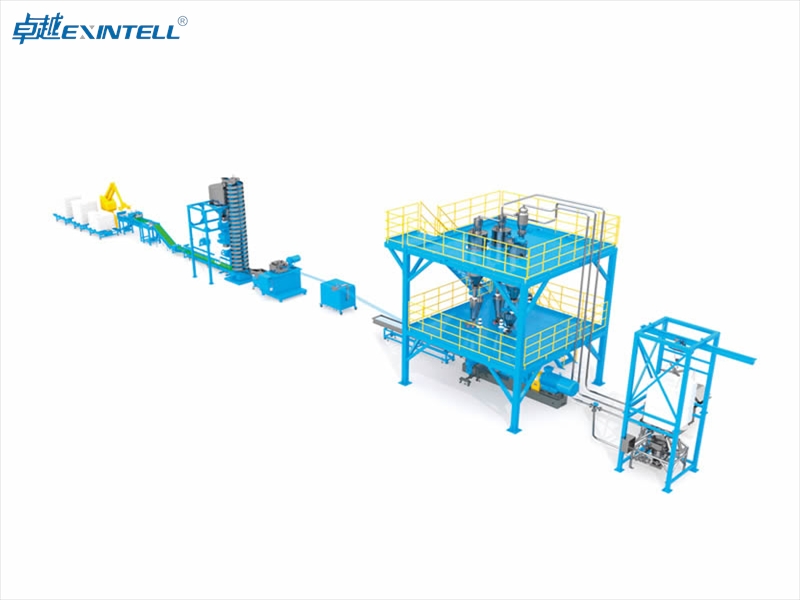
Hier is wat binne 'n masterbatch-masjien gebeur:
-
Dit neem korrels van plastiek in en meesterbatch.
-
Dit meng pigmente of bymiddels met die plastiek.
-
Dit gebruik hitte en druk om alles saam te meng.
-
Dit vorm klein korrels wat vervaardigers kan gebruik om allerhande plastiekprodukte te maak.
Ek hou daarvan om daaraan te dink as die geheime sjef agter die skerms, maak seker dat elke bondel plastiek die regte bestanddele kry.
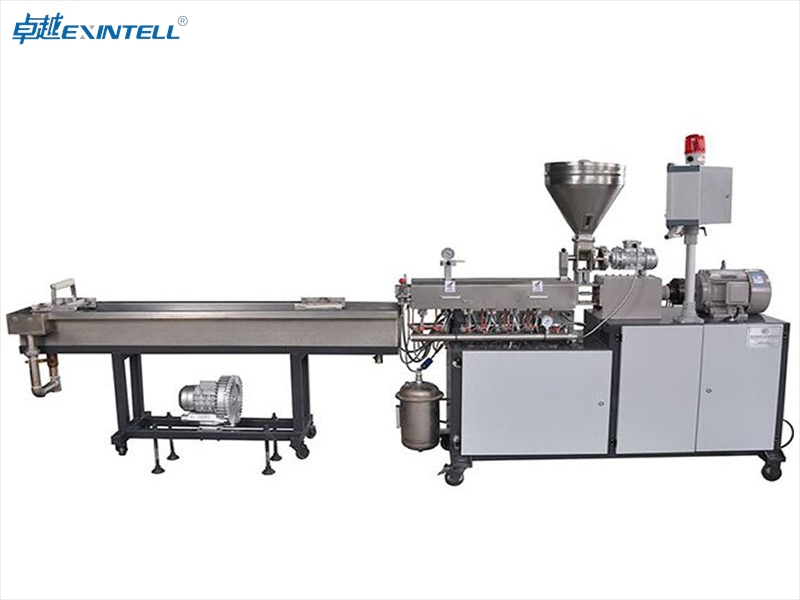
Doel in vervaardiging
Ek sien die masterbatch-masjien as 'n sleutelspeler in moderne vervaardiging. Dit doen meer as om net kleure te meng. Dit help fabrieke om plastiek met presiese eienskappe te skep, soos krag, buigsaamheid, of UV-weerstand. Hierdie masjien verseker dat pigmente en bymiddels eweredig versprei, daar is dus geen strepe of kolle in die finale produk nie.
Hier is hoekom vervaardigers op masterbatch-masjiene staatmaak:
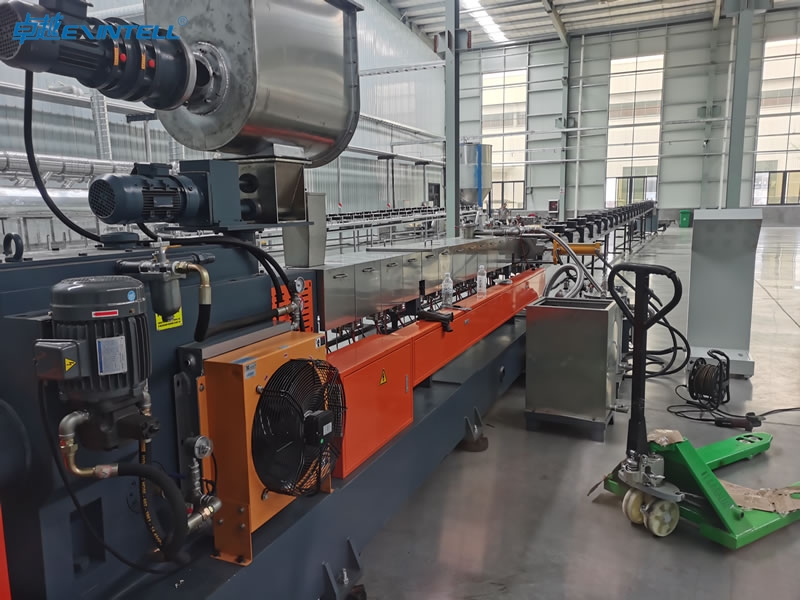
-
Hulle produseer kleur- en bymiddelkonsentrate wat plastiese eienskappe verbeter.
-
Hulle verseker eenvormige verspreiding van pigmente en bymiddels vir egalige kleur.
-
Hulle verbeter verwerkingsdoeltreffendheid deur presiese beheer oor produkkenmerke toe te laat.
-
Hulle verminder afval, wat geld bespaar en volhoubaarheid ondersteun.
-
Hulle maak dit moontlik om herwinde materiaal te gebruik sonder om kwaliteit te verloor.
Wenk: As jy plastiekprodukte van hoë gehalte wil maak, jy benodig 'n masterbatch-masjien. Dit gee jou beheer, konsekwentheid, en buigsaamheid.
Ek het geleer dat nywerhede van verpakking hou, motor, en konstruksie hang alles van hierdie masjiene af. Hulle help maatskappye om aan streng standaarde te voldoen en produkte te lewer wat fantasties lyk en langer hou.
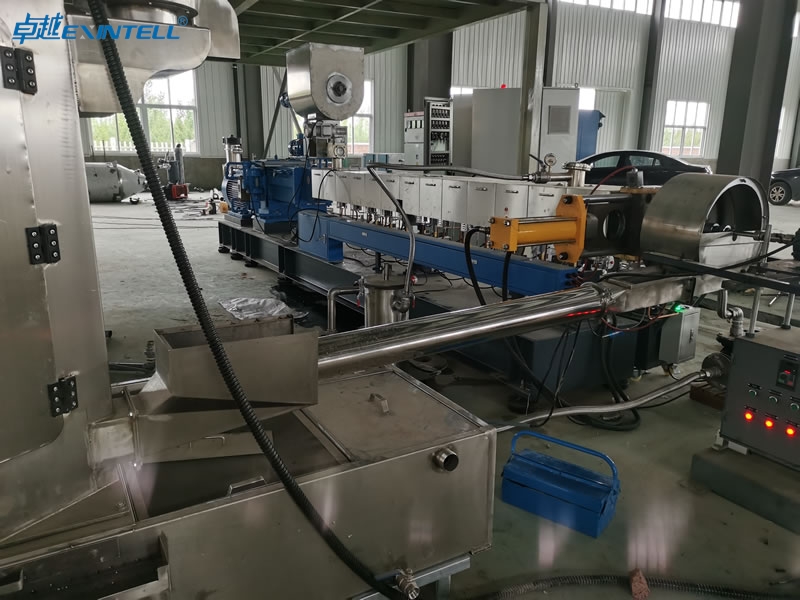
Hoe 'n Masterbatch-masjien werk
Toe ek die eerste keer 'n masterbatch masjien in aksie, Ek het besef hoeveel stappe gaan om daardie klein korrels te maak wat plastiek hul kleur en eienskappe gee. Laat ek jou deur die proses lei, stap vir stap.
Voer en meng
Grondstof-invoer
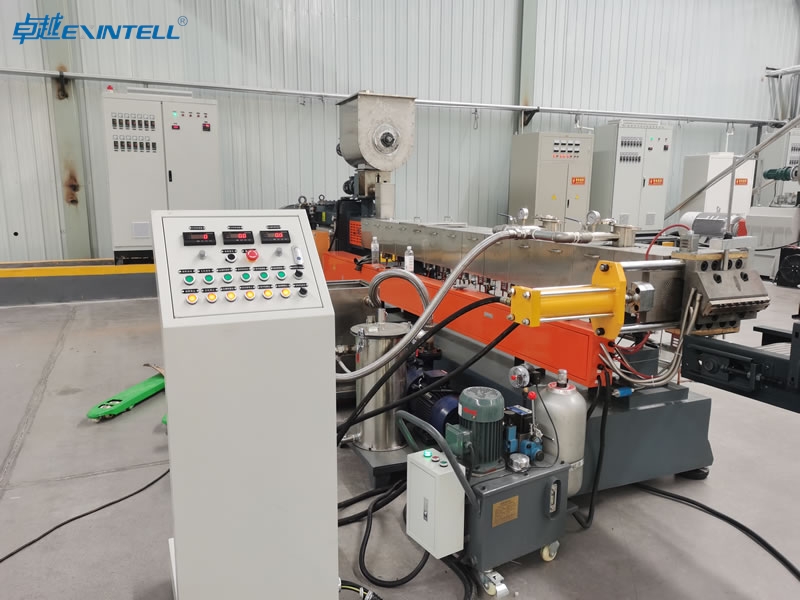
Ek begin altyd deur die masjien met die regte bestanddele te laai. Hier is wat ingaan:
-
Basis polimeer (draerhars) soos poliëtileen of polipropileen. Dit dien as die hoofmateriaal.
-
Pigmente of kleurstowwe. Dit gee die plastiek sy kleur.
-
Bymiddels. Dit kan die plastiek sterker maak, beskerm dit teen sonlig, of selfs kieme stop.
-
Dispersie hulpmiddels. Dit help om alles glad te meng.
Die masjien gebruik 'n hopper om hierdie materiaal in te voer. Ek maak seker dat die vloei bestendig bly sodat die mengsel konsekwent bly.
Homogenisering en verspreiding
Sodra die materiaal die masjien binnegaan, die ware magie begin. Die roterende skroewe trek die bestanddele vorentoe, saampers en knie hulle. Hitte en meganiese aksie smelt die materiale, draai hulle in 'n dik, eenvormige mengsel. Gespesialiseerde skroefelemente binne die masjien verseker dat alles deeglik meng. Ek kyk vir egalige kleur en tekstuur, want dit beteken die pigmente en bymiddels het perfek versprei.
Wenk: As jy 'n foutlose bondel wil hê, let op die mengstadium. Uniformity here means quality later.
Here’s a quick look at the main steps in feeding and mixing:
-
Material Feeding: I introduce raw materials through the hopper.
-
Conveying and Compression: The screws move and compress the materials.
-
Plasticization and Melting: Heat and movement melt the mix.
-
Intensive Mixing and Homogenization: The machine blends everything until it’s uniform.
Smelt en Ekstrusie
High Shear Mixing
Na vermenging, the machine ramps up the pressure. The screws spin faster, generating more heat and shear. This breaks down any clumps and ensures the pigments and additives spread out evenly. I check the mixture for smoothness and consistency.
Heat Treatment
The machine keeps the temperature just right. Too hot, and the materials might degrade. Too cold, and they won’t melt properly. Die hittebehandelingstadium smelt die mengsel tot 'n homogene mengsel. Die gesmelte mengsel word na die matrys gepomp, waar dit in stringe of korrels gevorm word.
Hier is hoe die smelt- en ekstrusieproses ontvou:
-
Material Feeding: Ek voer die grondstowwe in die masjien in.
-
Conveying and Compression: Skroewe draai, saamdruk, en knie die mengsel.
-
Plasticization and Melting: Hitte en meganiese aksie smelt alles.
-
Intensive Mixing and Homogenization: Die masjien versprei pigmente en bymiddels.
-
Smeltpomp en sterfvorming: Die gesmelte mengsel beweeg na die matrys vir vorming.
-
Verkoeling en Kalibrasie: Die meesterbatch koel af en word net reg groot.
Verkoeling en pelletisering
Vorming van korrels
Sodra die mengsel die dobbelsteen verlaat, dit moet afkoel. Die masjien gebruik verskillende verkoelingsmetodes, afhangende van die materiaal- en produksiebehoeftes. Soms gebruik ek lugverkoeling, ander kere waterverkoeling, of selfs onderwater pelletisering. Die verkoelingsmetode beïnvloed die kwaliteit en vorm van die korrels.
Pelletiseerder funksie
Die pelletiseerder sny die afgekoelde stringe of druppels in klein, eenvormige korrels. Hierdie korrels is maklik om te hanteer en te gebruik in die vervaardiging. Ek kies die korrelvormmetode gebaseer op die materiaal en die gewenste korrelvorm.
Hier is 'n tabel wat die belangrikste pelletiseringsmetodes toon:
|
Metode |
Beskrywing |
|---|---|
|
Ekstruder materiaal in aaneenlopende stringe, verkoel hulle in water, sny dan in korrels. |
|
|
Onderwaterpelletisering |
Sny gesmelte polimeer soos dit die matrysvlak verlaat terwyl dit onder water is, vervaardiging van sferiese korrels. |
|
Water-Ring Pelletisering |
Verkoel en sny korrels in water, hanteer taai materiaal goed. |
Let wel: Die keuse van verkoelings- en pelletiseringsmetode kan verander hoe die pellets lyk en presteer. Ek pas altyd die metode by die materiaal en die eindgebruik.
Ek vind dat die afkoel- en pelletiseringstadium is waar die masterbatch-masjien werklik sy veelsydigheid toon. Of ek ronde korrels nodig het, stringe, of iets anders, die masjien pas by die werk aan.
As jy hierdie stappe volg, jy sal sien hoe 'n masterbatch-masjien grondstowwe verander in hoëgehalte-korrels wat gereed is vir plastiekvervaardiging. Ek hou van hoe elke stadium op die laaste bou, om seker te maak dat die finale produk aan presiese standaarde voldoen.
Hoofkomponente van 'n Masterbatch-masjien
Ekstruder
As ek na 'n masterbatch-masjien kyk, die ekstruder staan altyd uit as die hart van die proses. Ek dink daaraan as die enjin wat alles vorentoe dryf. Die ekstruder neem die grondstowwe in en druk dit deur 'n reeks sones, elkeen met 'n spesiale werk. Hier is 'n vinnige tabel wat wys wat binne gebeur:
|
Beskrywing |
|
|---|---|
|
Voedingsone |
Beweeg grondstowwe in die masjien. |
|
Kompressiesone |
Pak en maak die mengsel sag, enige vasgekeerde lug uitdruk. |
|
Smeltsone |
Smelt die materiaal deur hitte en wrywing te gebruik. |
|
Mengsone |
Meng alles saam, maak seker dat pigmente en bymiddels eweredig versprei word. |
|
Ventilasie sone |
Verwyder vog en ongewenste gasse, hou die mengsel suiwer. |
|
Meting/homogeniseringsone |
Gee die finale mengsel 'n laaste mengsel en bou druk op vir 'n gladde vloei in die matrys. |
Ek het opgemerk dat die tipe ekstruder 'n groot verskil maak. Byvoorbeeld, 'n dubbelskroef-ekstruder werk deur die gesmelte materiaal te verdeel en te herkombineer. Dit verhoog mengdoeltreffendheid en laat my die temperatuur meer presies beheer. Ek kan verskillende skroefontwerpe gebruik om alle soorte materiale te hanteer, wat produksie meer buigsaam maak. As ek 'n perfekte mengsel wil hê, Ek gee altyd baie aandag aan die ekstruder.
Wenk: Die ekstruder besluit hoe goed die pigmente en bymiddels meng. As jy konsekwente kleur en kwaliteit wil hê, fokus op hierdie deel.
Voedingstelsel
Die voerstelsel tree op soos die hekwagter vir die hele proses. Ek maak daarop staat om die regte hoeveelheid van elke bestanddeel op die regte tyd af te lewer. As die voedingstelsel nie bestendig is nie, die hele bondel kan ongelyk uitdraai. Hier is 'n tabel wat uiteensit wat die voerstelsel doen:
|
Beskrywing |
|
|---|---|
|
Rol van voedingstelsel |
Hou materiaalinvoer bestendig, so die proses bly glad. |
|
Integrasie met Extruder |
Werk saam met die ekstruder vir presiese beheer en gefaseerde byvoeging van materiale. |
|
Materiaal oordrag |
Beweeg materiaal doeltreffend, wat help met egalige meng en tyd bespaar. |
|
Feed Port Design |
Uses multiple ports for adding ingredients at different stages, preventing leaks. |
|
Pressure Monitoring |
Watches pressure to catch problems early. |
|
Skroefkonfigurasie |
Matches the screw design to the recipe for the best results. |
I always check the feeding system before starting a batch. If I see any issues with pressure or flow, I fix them right away. That way, I know the masterbatch machine will run smoothly.
Mixers and Kneaders
Mixers and kneaders do the heavy lifting when it comes to blending. I think of them as the hands that knead dough, making sure everything comes together just right. These components break up clumps and spread pigments and additives throughout the melted plastic. I can adjust the speed and intensity to match the material I’m working with.
-
Mixers handle the first stage of blending, maak seker dat die basishars en bymiddels begin kombineer.
-
Knieers tree in vir moeiliker werke, werk die mengsel totdat dit heeltemal eenvormig is.
-
Albei dele help om strepe of kolle in die finale korrels te voorkom.
As ek 'n foutlose afwerking wil hê, Ek let mooi op hoe die mengers en kneders opgestel is. Hulle maak die verskil tussen 'n goeie bondel en 'n wonderlike een.
Let wel: Goed ingestelde mengers en kneders bespaar tyd en verminder vermorsing. Ek kontroleer altyd hul instellings voor elke hardloop.
Pelletiseerder
Wanneer ek die pelletizer stadium bereik, Ek weet ek is amper by die wenstreep. Die pelletiseerder voel altyd soos die "final touch" in die masterbatch-proses. Nadat die extruder die warm uitstoot, gemengde plastiek, die pelletiseerder stap in om die materiaal in klein te sny en te vorm, eenvormige korrels. Ek vind hierdie stap deurslaggewend omdat hierdie korrels is wat vervaardigers eintlik gebruik om plastiekprodukte te maak.
Die pelletiseerder transformeer die geëxtrudeerde smelt in netjies, konsekwente korrels. Hierdie konsekwentheid maak baie saak. As die korrels verskil in grootte of vorm, die finale plastiekprodukte kan ongelyk uitdraai of defekte hê. Ek het gesien hoe 'n goeie pelletiseerder alles op koers hou, maak seker dat elke bondel aan dieselfde hoë standaard voldoen. Uniforme korrels smelt eweredig en meng goed tydens die volgende vervaardigingstappe, wat minder probleme en beter resultate beteken.
Hier is wat ek gewoonlik opmerk oor die pelletizer se funksie:
-
Dit sny die afgekoelde plastiekstringe of -druppels in korrels.
-
Dit verseker dat elke korrel dieselfde grootte is, wat help met gehaltebeheer.
-
Dit maak die korrels maklik om te hanteer, vervoer, en gebruik in ander masjiene.
Ek gee altyd aandag aan die pelletizer-instellings. As ek ronde pellets wil hê, Ek pas die snyspoed en metode aan. As ek silindriese pellets nodig het, Ek tweak die lem en verkoelingstelsel. Die regte opstelling beteken minder vermorsing en meer betroubare produkte.
Wenk: As jy wil hê jou masterbatch moet goed presteer in enige bedryf, fokus daarop om die pelletizer-instellings net reg te kry. Konsekwentheid hier spaar later tyd en geld.
Beheerpaneel
Die beheerpaneel dien as my bevelsentrum. Ek gebruik dit om elke deel van die masterbatch-masjien dop te hou en vinnige aanpassings te maak wanneer nodig. ’n Moderne beheerpaneel maak my werk baie makliker en help my om foute te vermy.
Hier is 'n tabel wat die hoofkenmerke toon Ek maak staat op:
|
Kenmerk |
Beskrywing |
|---|---|
|
Raakskermskerm |
Ek kry 'n 10-15 duim kleur raakskerm met 'n eenvoudige, grafiese koppelvlak. Dit is maklik om te gebruik. |
|
Prosesmonitering |
Ek kan temperature dophou en aanpas, skroef spoed, en voertempo's in reële tyd. |
|
Resepberging |
Ek bêre oor 200 produksie resepte, so om tussen groepe te wissel is vinnig en eenvoudig. |
|
Datalogging |
Die paneel teken alle verwerkingsparameters aan. Dit help my om kwaliteit op te spoor en resultate te verbeter. |
|
Alarmkennisgewings |
Ek kry waarskuwings as iets verkeerd loop, sodat ek probleme kan oplos voordat dit probleme veroorsaak. |
Ek hou van hoe die beheerpaneel alles binne my vingers plaas. Ek kan instellings verander met 'n paar krane, kyk na die status van elke stadium, en kyk selfs terug na vorige lopies om te sien wat die beste gewerk het. As iets aandag nodig het, die alarms laat my dadelik weet. Dit beteken dat ek minder tyd spandeer om probleme op te los en meer tyd te maak om meesterbatch van hoë gehalte te maak.
Let wel: 'n Goeie beheerpaneel maak dinge nie net makliker nie - dit help my om konsekwent te lewer, uitstekende resultate elke keer.
Tipes Masterbatch-masjiene
Toe ek oor masterbatch-masjiene begin leer het, Ek het vinnig besef dat nie alle masjiene op dieselfde manier werk nie. Die twee hooftipes - enkelskroef- en dubbelskroef-ekstruders - het elkeen hul eie sterkpunte. Ek het ook uitgevind dat ander toerusting dikwels langs hierdie masjiene werk om die proses gladder en doeltreffender te maak.
Enkelskroef-ekstruder
Ek hou daarvan om aan die enkelskroef-ekstruder te dink as die "werkesel" van eenvoudige plastiekverwerking. Dit gebruik een roterende skroef om die plastiek te beweeg en te smelt. Ek gebruik hierdie tipe wanneer ek dinge eenvoudig en koste-effektief wil hou.
Hier is hoekom ek 'n enkelskroef-ekstruder kan kies:
-
It handles basic tasks like melting and pumping thermoplastics.
-
It works best for high-volume production of pipes, velle, en profiele.
-
It’s affordable and easy to maintain, which helps me keep costs down.
Wenk: If you’re just starting out or working with simple recipes, a single-screw extruder can save you money and time.
Dubbelskroef-ekstruder
When I need more control and better mixing, I turn to a twin-screw extruder. This machine uses two intermeshing screws that mix, knead, and push the material forward. I find it perfect for complex jobs where I want every ingredient to blend perfectly.
Let me show you how these two types compare:
|
Kenmerk |
Enkelskroef-ekstruder |
Dubbelskroef-ekstruder |
|---|---|---|
|
Application Complexity |
Simple tasks |
Complex mixing and compounding |
|
Koste |
Lower initial and maintenance costs |
Higher upfront, long-term value |
|
Prestasie |
Good for high-volume, basic mixing |
Superior mixing and dispersion |
|
Buigsaamheid |
Minder buigsaam |
Highly flexible and precise |
|
Materiaalhantering |
Basiese materiaal |
Hanteer vlugtige of klam materiaal |
|
Voorbeeld Gebruik Geval |
Pype, velle, profiele |
Hoë pigment meesterbatch, konsekwente kleur |
Ek gryp altyd na 'n dubbelskroef-ekstruder wanneer ek masterbatches met hoë pigmentlading moet maak. Die mengkrag verseker dat elke korrel dieselfde lyk en presteer. Ek is ook mal oor die selfreinigende kenmerk. Dit spaar my tyd wanneer ek tussen verskillende kleure of bymiddels wissel.
Let wel: Dubbelskroef-ekstruders skyn wanneer ek meng van topgehalte benodig, veral vir veeleisende werke soos hoë-konsentrasie meesterbatches.
Ander tipes toerusting
Ek het geleer dat 'n masterbatch-masjien selde alleen werk. Ek gebruik dikwels ekstra toerusting om die beste resultate te kry. Hier is 'n vinnige blik op wat ek gebruik en hoekom:
-
Hoëspoedmenger: Ek meng draerharskorrels met pigmentpoeiers en bymiddels voor ek dit in die ekstruder voer.
-
Verkoelingstelsels: Dit verhoed dat die korrels oorverhit en help hulle om hul vorm te behou.
-
Skermwisselaar en filter: Ek gebruik dit om enige kontaminante uit die gesmelte plastiek te verwyder, wat die finale produk skoon hou.
-
Outomatiese beheerstelsel: Dit laat my toe om die hele proses vanaf een plek te monitor en aan te pas, maak my werk baie makliker.
|
Tipe toerusting |
Funksie/Beskrywing |
|---|---|
|
Vuller Meesterbatch Toerusting |
Hanteer skuurvullers met taai, slytvaste dele. |
|
Additiewe Masterbatch Systems |
Verwerk bymiddels soos UV-stabiliseerders by laer temperature. |
|
Hoëspoedmenger |
Berei grondstowwe voor vir gladde voeding. |
|
Verkoelingstelsels |
Handhaaf korrelkwaliteit na ekstrusie. |
|
Skermwisselaar en filter |
Verwyder kontaminante, hou produksie aan die gang. |
|
Outomatiese beheerstelsel |
Integreer alle toerusting vir maklike werking. |
😊 sê ek altyd, die regte kombinasie van masjiene en gereedskap maak my werk vinniger, skoonmaker, en meer betroubaar.
Nou, wanneer ek 'n masterbatch-lyn opstel, Ek kies die toerusting wat by my doelwitte pas—of ek spoed wil hê, kwaliteit, of buigsaamheid.
Voordele van die gebruik van 'n Masterbatch-masjien
Toe ek met plastiek begin werk het, Ek wou weet wat sommige produkte beter laat lyk en vaar as ander. Ek het vinnig geleer dat die regte toerusting die verskil maak. Kom ek deel die belangrikste voordele wat ek gesien het uit die gebruik van a masterbatch masjien.
Konsekwente kwaliteit
Ek wil altyd hê my produkte moet dieselfde lyk, bondel na bondel. 'n Masterbatch-masjien help my om dit te bereik. Dit meng pigmente en bymiddels so eweredig dat elke korrel met dieselfde kleur en eienskappe uitkom. Ek hoef nie bekommerd te wees oor strepe of kolle nie. Hier is 'n tabel wat wys hoe die masjien kwaliteit konsekwent hou:
|
Tipe Getuienis |
Beskrywing |
|---|---|
|
Eenvormige verspreiding |
Verseker dat bymiddels en pigmente eweredig gemeng word, lei tot stabiele kleur eenvormigheid. |
|
Presiese formulering |
Korrekte verhoudings van pigmente en bymiddels is deurslaggewend vir konsekwentheid; klein veranderinge kan kwaliteit beïnvloed. |
|
Beheerde ekstrusie |
Hoë skuifkragte en hitte in moderne masjiene verseker deeglike vermenging van materiale. |
|
Streng kwaliteitbeheer |
Deurlopende kontrole op fisiese, chemiese, en visuele eienskappe handhaaf konsekwentheid regdeur produksie. |
Ek het 'n paar groot voordele opgemerk:
-
Geen defekte meer as gevolg van ongelyke kleur nie.
-
My produksielyn loop gladder.
-
Ek mors minder materiaal, wat geld spaar.
Wenk: As jy wil hê jou produkte moet uitstaan vir hul kwaliteit, fokus daarop om elke keer konsekwente resultate te kry.
Doeltreffendheid en kostebesparing
Om tyd en geld te bespaar maak vir my saak. Met 'n masterbatch masjien, I use less pigment and additive because the mix is so concentrated. I don’t need special machines, and I can use my existing equipment. That means I spend less on setup and cleanup. Here’s a quick look at the main ways I save:
|
Benefit Description |
Besonderhede |
|---|---|
|
No setup or cleanup fees required. |
|
|
Efficient Manufacturing |
Uses fewer materials, with masterbatch constituting only up to 5% of total weight. |
|
Existing Equipment Utilization |
No need for special machines; existing manufacturing machines can be used. |
|
Compliance with Standards |
Meets expected performance and manufacturing standards. |
|
Savings on Compounding Costs |
Reduces costs associated with compounding. |
|
Reduced Energy Consumption |
Uses less energy to create the final product. |
I also see higher productivity, especially when I use a twin-screw design. My span werk vinniger, en ons bestee minder aan arbeid en oorhoofse koste. Al kos die masjien aanvanklik meer, Ek kry my geld terug deur beter gehalte en laer koste mettertyd.
Let wel: Die regte masterbatch-masjien betaal vir homself deur produksie vinniger te maak, goedkoper, en meer betroubaar.
Pasmaakopsies
Ek hou van hoe buigsaam masterbatch-masjiene is. Ek kan persoonlike kleure skep en spesiale kenmerke byvoeg, soos UV-beskerming of anti-bakteriese eienskappe. Die masjien laat my presies wat ek nodig het in die plastiek meng. Hier is hoe ek die meeste van hierdie buigsaamheid maak:
-
Ek kies die pigmente en bymiddels wat ek wil hê.
-
Ek stel die doseer- en mengvlakke vir elke bondel.
-
Ek kry konsekwente resultate, selfs met persoonlike resepte.
-
Ek vermy stof en besoedeling, wat my werkspasie skoon hou.
-
Ek verbeter verwerkingsdoeltreffendheid en verminder vermorsing.
Dit beteken ek kan aan enige kliëntversoek voldoen, van helder kleure tot spesiale prestasiekenmerke. Masterbatch-tegnologie gee my die gereedskap om plastiek te maak wat uitstaan in die mark.
😊 Pasmaak is maklik as jy die regte masjien het. Ek kan enige idee met selfvertroue in 'n voltooide produk omskep.
In my ervaring, 'n masterbatch-masjien is die beste manier om te kry konsekwente kwaliteit, geld spaar, en bied unieke produkte aan. As jy in plastiek wil slaag, dit is die hulpmiddel wat jy nodig het.
Toepassings van Masterbatch Machines
Verpakkingsbedryf
Wanneer ek deur 'n supermark stap, Ek sien oral verpakking. Ek merk altyd die helder kleure en duidelike handelsmerk op bottels op, omhulsels, en houers. Ek het geleer dat 'n masterbatch-masjien 'n groot rol speel om hierdie pakkette uit te laat. It helps manufacturers create packaging that looks attractive and performs well. I use color masterbatches to make sure every package matches the brand’s colors. Additive masterbatches give packaging extra features, like UV resistance or anti-static properties. These features help keep food fresh and protect products from damage.
Here’s a quick table that shows how masterbatch machines help in packaging:
|
Toepassing Tipe |
Voordele |
|---|---|
|
Color Masterbatches |
Enhance visual appeal with vibrant designs. |
|
Additive Masterbatches |
Improve properties like UV resistance, anti-static features, and barrier performance. |
I often work with food-grade packaging, shrink wraps, en houers. I want products that look good and last longer. Masterbatch machines make this possible. I also use additive masterbatches to improve durability and barrier resistance. Dit beteken verpakking bly sterk en hou produkte veilig.
Wenk: As jy verpakking wil hê wat aandag trek en beskerm wat binne is, masterbatch-masjiene is die geheime bestanddeel.
Motorsektor
Ek spandeer baie tyd om motors, so ek weet hoe belangrik kwaliteit in motoronderdele is. Ek gebruik 'n masterbatch-masjien om komponente te vervaardig wat is liggewig, duursaam, en visueel aantreklik. Wanneer ek dashboards of buffers maak, Ek maak staat op bykomende meesterbatches om hittebestandheid en UV-beskerming te verbeter. Hierdie kenmerke help onderdele om moeilike toestande te oorleef en hul kleur mettertyd te behou.
Ek sien masterbatch-masjiene wat vir binneafwerkings gebruik word, buitepanele, en selfs onder-die-kap dele. Vervaardigers wil onderdele hê wat goed lyk en hou. Ek maak seker elke bondel voldoen aan streng standaarde vir sterkte en voorkoms. Die masjien laat my die mengsel beheer, so elke deel kom net reg uit.
Let wel: Motormaatskappye vertrou masterbatch-masjiene om betroubaar te lewer, hoëprestasie-onderdele.
Verbruikersgoedere
Ek hou daarvan om te sien hoe meesterbatch-masjiene help om alledaagse produkte te skep. Ek gebruik hulle om te maak speelgoed, kombuisware, pype, profiele, velle, films, en kabels. Elke produk benodig 'n ander mengsel van kleur en bymiddels. Ek pas die masjien aan om by die vereistes vir elke item te pas.
-
Speelgoed benodig helder kleure en veilige materiale.
-
Kombuisware moet hitte en vlekke weerstaan.
-
Pype en kabels vereis sterkte en buigsaamheid.
-
Films en velle het duidelikheid en duursaamheid nodig.
Ek geniet dit om groepe vir verskillende verbruikersgoedere aan te pas. Die masjien gee my die buigsaamheid om aan enige vraag te voldoen. Ek kan vinnig resepte verander en produksie aan die gang hou.
😊 Masterbatch-masjiene maak dit maklik om produkte te skep wat mense elke dag gebruik. Ek sien die resultate in huise, kantore, en fabrieke.
Ander gebruike
As ek aan masterbatch-masjiene dink, Ek sien hoe hulle opduik op plekke wat jy dalk nie verwag nie. Sekerlik, hulle blink in verpakking, motors, en verbruikersgoedere, maar hul bereik strek veel verder as dit. Ek het gesien hoe hierdie masjiene 'n werklike verskil maak in nywerhede wat omgee vir innovasie en volhoubaarheid.
Een area wat my opgewonde maak, is herwinning. Ek werk saam met maatskappye wat masterbatch-masjiene gebruik om plastiekafval in iets waardevols te verander. In plaas daarvan om ou bottels of verpakking na die stortingsterrein te stuur, ons voer hulle in die masjien in. Die resultaat? Meesterbatches van hoë gehalte wat vervaardigers net soos nuwe materiaal kan gebruik. Hierdie proses ondersteun die sirkulêre ekonomie, which means we keep materials in use for as long as possible. I love knowing that every batch I help create keeps plastic out of the environment.
Here’s a quick look at some less common but innovative uses I’ve come across:
-
I help construction teams create pipes and panels with special properties, like fire resistance or extra strength. Masterbatch machines let us add exactly what we need to the mix.
-
I see electronics manufacturers use these machines to add anti-static or flame-retardant features to their products. This keeps devices safer and more reliable.
-
I work with agriculture companies that want films and sheets with UV protection. These films last longer in the sun and protect crops better.
-
I’ve even seen masterbatch machines used in textiles. Hulle voeg kleur- en prestasiekenmerke by sintetiese vesels vir klere, matte, en sportuitrusting.
-
Ek weet sommige mediese verskaffers gebruik masterbatch-masjiene om items met antibakteriese eienskappe te skep. Dit help om hospitale en klinieke veiliger te hou.
Het jy geweet? Masterbatch-masjiene speel 'n groot rol om produkte meer volhoubaar te maak. Hulle help maatskappye om te herwin, afval te verminder, en ontwerp materiaal wat langer hou.
Ek merk dit elke keer as ek 'n masterbatch-masjien vir 'n nuwe projek gebruik, Ek vind 'n ander manier om 'n probleem op te los. Of ek produkprestasie wil bevorder of groen inisiatiewe wil ondersteun, hierdie masjiene gee my die buigsaamheid wat ek nodig het. Ek kan die resep aanpas, probeer nuwe bymiddels, en sien vinnig resultate.
As jy nuuskierig is oor waarheen plastiek op pad is, hou 'n oog op masterbatch-tegnologie. Ek glo dit maak deure oop in nywerhede wat terselfdertyd die planeet wil innoveer en beskerm. The possibilities keep growing, and I can’t wait to see what comes next.
Ek het geleer dat die bemeestering van die basiese beginsels van masterbatch-masjiene 'n wêreld van moontlikhede in plastiek oopmaak. Here’s what I always keep in mind:
-
High-speed mixing shapes color quality.
-
Temperature and time matter for pigment wetting.
-
Watching the process helps spot issues early.
-
Omgewingsbeskerming hou die werkspasie veilig.
If you want to get started, I suggest:
-
Define your performance needs.
-
Know your plastic substrate.
-
Work with additive experts.
-
Test your formulations in real production.
Masterbatch technology helps solve tough challenges. Ek moedig jou aan om meer te verken en vrae te vra.
Gereelde vrae
Waarvoor word 'n masterbatch-masjien gebruik?
Ek gebruik 'n masterbatch-masjien om kleurpigmente of bymiddels in plastiek te meng. Dit help my om plastiek met spesifieke kleure of eienskappe te skep, soos UV-weerstand of sterkte.
Kan ek herwinde materiaal in 'n masterbatch-masjien gebruik?
Ja, Ek voer gereeld herwinde plastiek in die masjien in. Dit meng hulle met bymiddels, so die finale korrels lyk en werk soos nuut. Dit ondersteun volhoubaarheid.
Hoe kies ek tussen enkelskroef- en dubbelskroef-ekstruders?
Ek kies 'n enkelskroef vir eenvoudige take en 'n dubbelskroef vir komplekse meng. Dubbelskroef-ekstruders gee my beter beheer en konsekwentheid, veral met hoë pigmentladings.
Is dit moeilik om 'n masterbatch-masjien skoon te maak?
Ek vind skoonmaak makliker met dubbelskroef-ekstruders omdat hulle selfreinigende eienskappe het. Ek volg die vervaardiger se instruksies en gebruik behoorlike gereedskap om kontaminasie te vermy.
Watter tipe bymiddels kan ek gebruik?
Ek voeg pigmente by vir kleur, UV-stabiliseerders vir sonligbeskerming, anti-statiese middels, vlamvertragers, en antibakteriese bymiddels. Die masjien laat my elke bondel aanpas.
Hoe beheer ek die kwaliteit van my masterbatch?
Ek monitor temperatuur, skroef spoed, en voertempo's op die beheerpaneel. Ek kontroleer korrelkleur en vorm. Konsekwente instellings help my om kwaliteit hoog te hou.
Is masterbatch masjiene duur?
Die prys hang af van die tipe en kenmerke. Ek belê meer in dubbelskroefmodelle, maar hulle spaar mettertyd geld met beter vermenging en minder vermorsing.
Kan ek persoonlike kleure maak met 'n masterbatch masjien?
Absoluut! Ek kies pigmente en pas die resep aan. Die masjien meng alles eweredig, so ek kry die presiese kleur wat ek vir elke projek wil hê.