

Extruder Twin Screw Barrel Vervaardiger: Die definitiewe B2B-verkryging & Handel Gids vir
The global twin screw extruder market is on a steep growth trajectory. Gewaardeer teen ongeveer USD 9.7 miljard in 2024, die sektor sal na verwagting USD 13,2 bereik–14.8 miljard by 2030, uit te brei teen 'n saamgestelde jaarlikse groeikoers (CAGR) van 5.2–7.1% according to multiple industry research firms including Grand View Research and Mordor Intelligence. At the heart of every twin screw extruder sits the barrel — the precision-engineered cylinder that, together with intermeshing screw elements, determines output quality, deurset, en masjien lang lewe. Vir B2B-kopers regoor Europa, Noord-Amerika, en ontluikende markte, die regte te kies extruder twin screw barrel manufacturer is not merely a procurement decision; it is a strategic investment that shapes production economics for years to come.
This guide walks professional buyers through the current state of the twin screw barrel manufacturing industry, trade policies affecting cross-border sourcing, material science advances, werklike gevallestudies, en uitvoerbare voorspellings vir die maande wat voorlê. Whether you are an OEM integrator, a plastics compounder seeking replacement wear parts, of 'n handelsmaatskappy wat 'n voorsieningsketting bou vir dubbelskroefvatsamestellings, die inligting hieronder is ontwerp om jou verkrygingstrategie op te skerp.

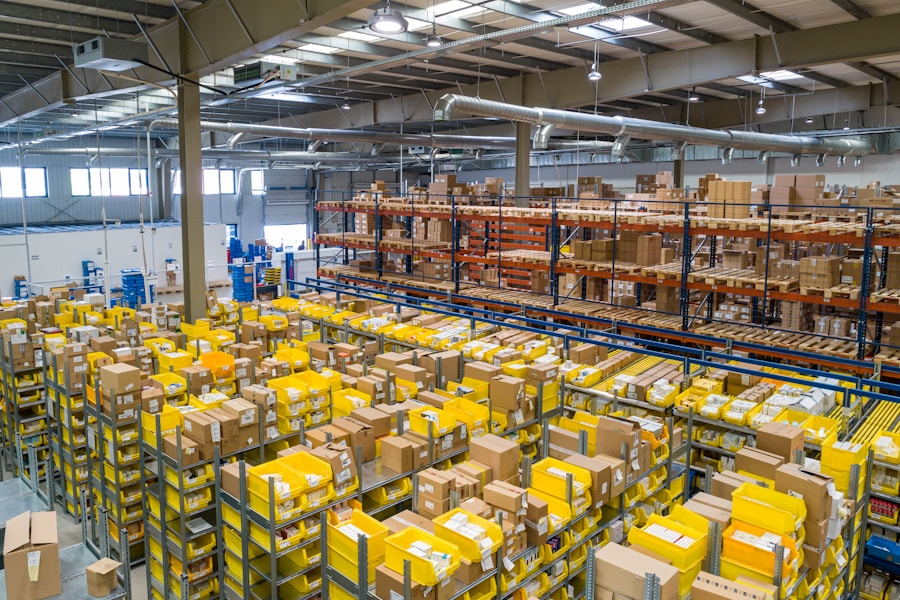
Industriële vervaardigingsfasiliteit wat presisiemetaalkomponente vir ekstrusiemasjinerie vervaardig
Verstaan die Twin Screw Extruder Barrel: Kernkomponente en -funksies
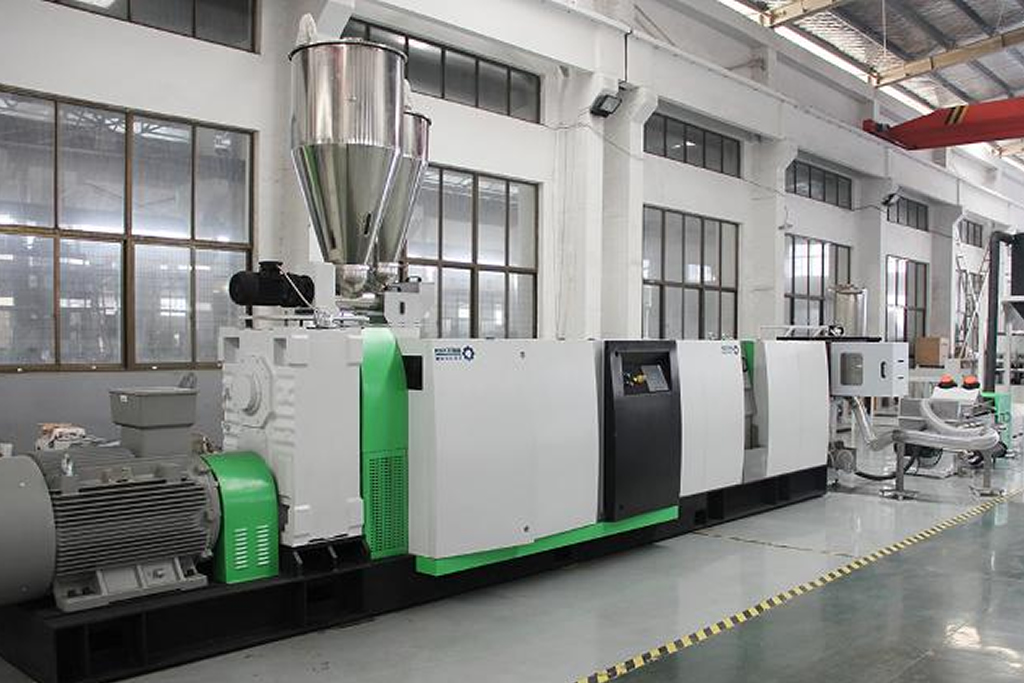
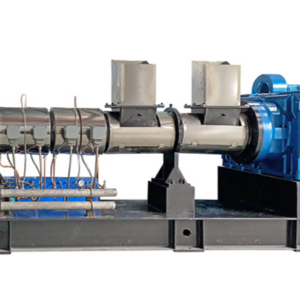
'n Dubbelskroef-ekstrudervat is 'n swaarwandige, gesegmenteerde of monolitiese silinder verveeld om twee mede-roterende of teen-roterende skroewe te aanvaar. The barrel's inner surface must withstand extreme abrasion, korrosie, en termiese fietsry — toestande wat dramaties verskil na gelang van die verwerkte materiaal, van glasvesel gevulde ingenieursplastiek tot voedselgraad stysels. Plastiek staaf ekstrusie masjien
Sleutel funksionele sones binne 'n tipiese dubbelskroefvat sluit in:
- Voer sone — waar grondstowwe inkom; barrel bore is often smooth or lightly grooved to control intake rate.
- Melting/plasticizing zone — high shear and compression; barrel liners here face the most aggressive wear.
- Mixing/kneading zone — distributive and dispersive mixing; barrel temperature control accuracy is critical.
- Metering/discharge zone — consistent melt pressure delivery; bore tolerances tighten to ±0.02 mm in premium barrels.
The barrel is typically manufactured from nitralloy 135M, 38CrMoAlA, or tool steel substrates, then treated via gas nitriding, bimetallic centrifugal casting, or HIP (hot isostatic pressing) cladding to achieve surface hardness of 58–72 HRC depending on the application. Understanding these fundamentals helps B2B buyers specify requirements accurately when engaging an ekstruder dubbelskroef vat verskaffer.
Global Market Landscape for Twin Screw Barrel Manufacturers in
Die mark vir dubbelskroef-ekstrusiemasjinerie is Fetus Apus 2 Ekstruder gevorm deur verskeie konvergerende kragte in:
Opdragte vir plastiekherwinning. The European Union's revised Packaging and Packaging Waste Regulation (PPWR), laat afgehandel 2024, vereis dat lidlande slaan 55% plastiekverpakking herwinning deur 2030. Meganiese herwinningslyne maak oorweldigend staat op dubbelskroef-ekstruders vir die samestelling van herwinde harse met bymiddels, dryf vat vervanging vraag opwaarts. Die V.S. EPA's updated National Recycling Strategy similarly incentivizes domestic recycling infrastructure, skep parallelle vraag in Noord-Amerika.
Elektriese voertuig (EV) voorsieningskettinggroei. Battery skei films, termiese koppelvlakmateriale, en liggewig polimeersamestellings vir EV-komponente word op dubbelskroef-ekstruders verwerk. BloombergNEF-data toon dat wêreldwye EV-verkope oortref het 20 miljoen eenhede in, and each new compounding line requires high-performance barrels rated for abrasive ceramic fillers.
Food and pharmaceutical extrusion. Warmsmelt-ekstrusie (HME) for drug delivery and twin screw cooking extrusion for plant-based proteins are expanding segments. These applications demand FDA/EU-compliant barrel materials — typically stainless steel liners or nickel-based alloy overlays — pushing manufacturers to diversify their product lines.
Major manufacturing clusters for twin screw barrels include Zhoushan and Jingjiang in China, which collectively account for an estimated 45–50% of global barrel output by volume; the Ruhr and Baden-Württemberg regions in Germany, home to premium OEM barrel producers; and Brescia, Italië, a traditional hub for bimetallic barrel technology. Emerging capacity is also growing in India (Gujarat, Maharashtra) en Turkye.
Global shipping port with container vessels representing international B2B trade logistics for industrial machinery parts
Trade Policies Affecting Cross-Border Barrel Sourcing:, and Beyond
Single Screw Extruder Wholesale B2B buyers sourcing twin screw barrels internationally must navigate an increasingly complex trade policy environment in: Plastic Extrusions For Gates
US tariff landscape. Van vroeg af, the United States maintains Section 301 tariffs on a broad range of Chinese-origin industrial goods. Twin screw barrels classified under HTS 8477.90 (parts of plastics processing machinery) face a 25% ad valorem duty when imported from China. The Biden-era tariff review, continued under the current administration, has kept these rates in place. Daarbenewens, Afdeling 232 staal en aluminium tariewe (25% en 10% onderskeidelik) can apply to barrel raw material imports, adding cost pressure for manufacturers sourcing substrate steel globally. In April, new reciprocal tariff measures were announced targeting additional categories, creating further uncertainty for supply chain planners (bron: Internasionale Handelsadministrasie).
EU trade defense instruments. The European Commission's anti-dumping framework continues to scrutinize Chinese steel and machinery components. While twin screw barrels have not been subject to specific anti-dumping duties, the EU's Carbon Border Adjustment Mechanism (CBAM), sy oorgangsfase betree, will require importers to report embedded carbon in steel-intensive products starting 2026. Barrel manufacturers with verified low-carbon production processes will gain a competitive edge in the EU market (bron: Europese Kommissie DG Handel).
Vryhandelsooreenkomste. The EU-Japan EPA, CPTPP, and RCEP agreements offer preferential tariff treatment for qualifying machinery parts. Buyers in signatory Plastic Extruder Vervaardigers Vervaardiger countries can reduce landed costs by 3–8% by sourcing from manufacturers in partner nations and ensuring proper rules-of-origin documentation.
Export controls and dual-use considerations. High-precision barrel manufacturing equipment (CNC deep-hole boring machines, byvoorbeeld) may fall under dual-use export control lists in certain jurisdictions. While finished barrels themselves are rarely restricted, buyers should verify end-use compliance when sourcing for defense or nuclear-adjacent applications.
B2B Trade Opportunities in the Twin Screw Barrel Sector
The intersection of rising extrusion demand and evolving trade policy creates distinct opportunities for B2B participants:
Replacement parts aftermarket. A twin screw barrel typically has a service life of 8,000–15,000 operating hours depending on processed material abrasiveness. With the installed base of twin screw extruders exceeding 120,000 eenhede wêreldwyd (van Coperion geskat, KraussMaffei, en Leistritz-produksiedata), die namark vir vervangingsvate en skroefelemente verteenwoordig 'n USD 1,8–2.4 miljard jaarlikse geleentheid. Verspreiders en handelsondernemings wat vinnige aflewering van versoenbare vate vir groot OEM-platforms kan bied — Coperion ZSK, Leistritz ZSE, KraussMaffei ZE, JSW TEX, Nanjing-reeks masjiene — herhalende inkomstestrome vas te lê.
Pasgemaakte vate vir nistoepassings. Soos ekstrusie in gevorderde materiale beweeg (koolstofvesel samestellings, battery elektrode slurries, bio-afbreekbare polimere), standaard nitriedvate skiet dikwels tekort. Vervaardigers wat toepassingspesifieke oplossings bied — wolframkarbiedvoerings vir hoogs skuurverbindings, Hastelloy-bedekkings vir korrosiewe fluoropolimeerverwerking, gesegmenteerde vate met onafhanklike verkoelingskanale vir temperatuursensitiewe farmaseutiese toepassings — command premium pricing and build defensible market positions.
Nearshoring and supply chain diversification. Post-pandemic supply chain resilience strategies are driving European and American OEMs to diversify barrel sourcing beyond China. Turkye, Indië, and Eastern European manufacturers (Pole, Tsjeggiese Republiek) are gaining share as "China+1" alternatives. B2B intermediaries facilitating quality-assured sourcing from these emerging suppliers fill a valuable market gap.
Digitale verkrygingsplatforms. Alibaba, Gemaak in China, and GlobalSources remain dominant for initial supplier discovery, but specialized B2B platforms and direct manufacturer websites with detailed technical specifications, 3D models, and real-time quotation tools are increasingly preferred by professional buyers. Manufacturers investing in digital sales infrastructure see 20–35% higher inquiry-to-order conversion rates according to a 2024 McKinsey B2B commerce survey.
Uitdagings wat B2B-kopers en -vervaardigers in die gesig staar
Alongside opportunities, the twin screw barrel trade faces real headwinds:
Kwaliteit konsekwentheid. The gap between premium European/Japanese barrels and lower-cost alternatives can be significant. Bore concentricity, liner adhesion quality, heat treatment uniformity, and metallurgical composition verification remain pain points. Buyers report that 10–15% of barrels sourced from unvetted suppliers fail incoming quality inspection, according to a 2024 Plastics Technology survey of North American processors.
Kommer oor intellektuele eiendom. OEM barrel designs — bore profiles, cooling channel layouts, segmented barrel interface geometries — are proprietary. Aftermarket manufacturers must navigate IP boundaries carefully, and buyers should verify that suppliers have legitimate engineering capabilities rather than simply copying OEM drawings.
Logistiek en deurlooptye. A standard segmented twin screw barrel set weighs 500–3,000 kg afhangende van die ekstrudergrootte. Shipping costs have stabilized from 2021–2022 peaks but remain 30–40% above pre-pandemic levels on Asia-Europe and Asia-North America routes. Lead times for custom bimetallic barrels range from 6–12 weke, requiring buyers to plan procurement cycles well in advance.
Raw material price volatility. Nickel, cobalt, wolfram, and molybdenum — key alloying elements in barrel liner materials — have experienced 15–25% price swings over the past 12 maande. Manufacturers without hedging strategies or long-term supply agreements pass this volatility to buyers, complicating budget planning.
Material Science and Manufacturing Technology: What Defines a Top-Tier Barrel Manufacturer
The technical differentiation among Ekstruder dubbelskroef vat vervaardigers kom neer op materiale en prosesse: Herwinde plastiekkorrelsfabriek
Genitreerde vate. Gasnitrering van 38CrMoAlA- of SACM645-staal lewer 'n 0.5–0.7 mm geharde omhulsel (900–1100 HV). Dit is die mees koste-effektiewe behandeling, geskik vir die verwerking van nie-skuur polimere soos PE, PP, en PS. Topvervaardigers bereik nitrerende eenvormigheid binne ±50 HV oor die volle looplengte — 'n maatstaf wat betroubare verskaffers van inkonsekwente verskaffers skei.
Bimetaal vate. Sentrifugale giet van yster-gebaseerde (Fe-B), nikkel-gebaseerde (Deur-Cr-B-Si), of kobalt-gebaseerde legeringsvoerings binne a 4140/4340 staaldop lewer 2–5x die slytduur van nitreervate. Die kritieke kwaliteitsfaktor is voering-tot-substraat-bindingsintegriteit; ultrasoniese toetsing moet nul delaminasie oor toon 100% van die booroppervlak. Voorste vervaardigers in Zhoushan, China, and Brescia, Italië, het hierdie proses oor dekades verfyn.
Poeiermetallurgie (PM) en HIP liners. Vir die mees veeleisende toepassings — verwerking van glasvesel gevulde PA66, mineraal gevulde PPS, of keramiek-gelaaide battery elektrode verbindings — HIP-toegepaste gereedskapstaal of wolframkarbiedvoerings bied 'n hardheid wat oorskry 65 HRC met voortreflike taaiheid. Hierdie tegnologie word oorheers deur 'n handjievol Europese en Japannese spesialiste, met vat koste 3–5x hoër as standaard bimetaal opsies.
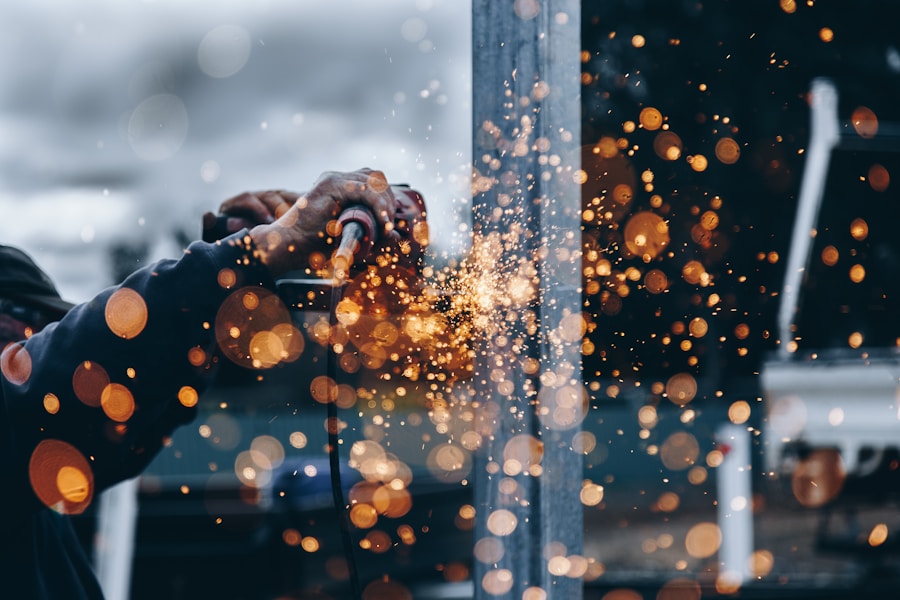
Presisie bewerking. Boor afwerking na Ra 0.4 μm of beter, konsentrisiteit binne 0.03 mm oor vatlengtes wat oorskry 3 meter, en H7-verdraagsaamheid pas op vat-tot-vat segment koppelvlakke vereis diepgat boormasjiene, CNC slyp toerusting, en streng in-proses meting. Vervaardigers belê in koördinaat-meetmasjiene (CMM) en laserboormeting demonstreer verbintenis tot kwaliteit wat B2B-kopers tydens fabrieksoudits moet verifieer.
Surface treatments and coatings. Verchrooming, PVD/CVD coatings, and thermal spray overlays (HVOF tungsten carbide) are supplementary treatments that extend barrel life in specific applications. A knowledgeable manufacturer recommends the optimal treatment based on the buyer's processing conditions rather than defaulting to the cheapest option.
Geographic and Policy Advantages in B2B Barrel Trade
Geography and trade policy create distinct sourcing corridors that smart B2B buyers exploit:
China to Europe via rail. The China-Europe Railway Express (CRE) network now operates over 15,000 trips annually, with transit times of 15–18 days versus 30–35 days by sea. For time-sensitive barrel orders, rail freight offers a middle ground between air and ocean shipping costs. Key departure points — Yiwu, Chengdu, Xi'an — connect to Hamburg, Duisburg, and Madrid.
Turkey as a nearshore hub for EU buyers. Turkey's customs union with the EU eliminates duties on most industrial goods, including machinery parts. Turkish barrel manufacturers in Istanbul and Kocaeli offer 2–3 week delivery to Western Europe with competitive pricing, making Turkey an attractive alternative for EU-based compounders and OEMs seeking supply chain resilience.
India's production-linked incentive (PLI) skema. India's PLI program for capital goods and specialty steel incentivizes domestic barrel manufacturing. For buyers serving the Indian subcontinent market, sourcing from Indian manufacturers avoids import duties of 7.5–15% and benefits from improving quality standards as Indian producers invest in European-grade equipment.
US-Mexico-Canada Agreement (USMCA). Vate wat in Mexiko vervaardig word met voldoende Noord-Amerikaanse inhoud kwalifiseer vir belastingvrye toegang tot die VSA en Kanada. Verskeie Chinese en Taiwanese vatvervaardigers het Mexikaanse produksiefasiliteite gevestig of verken om die Noord-Amerikaanse mark tariefvry te bedien.
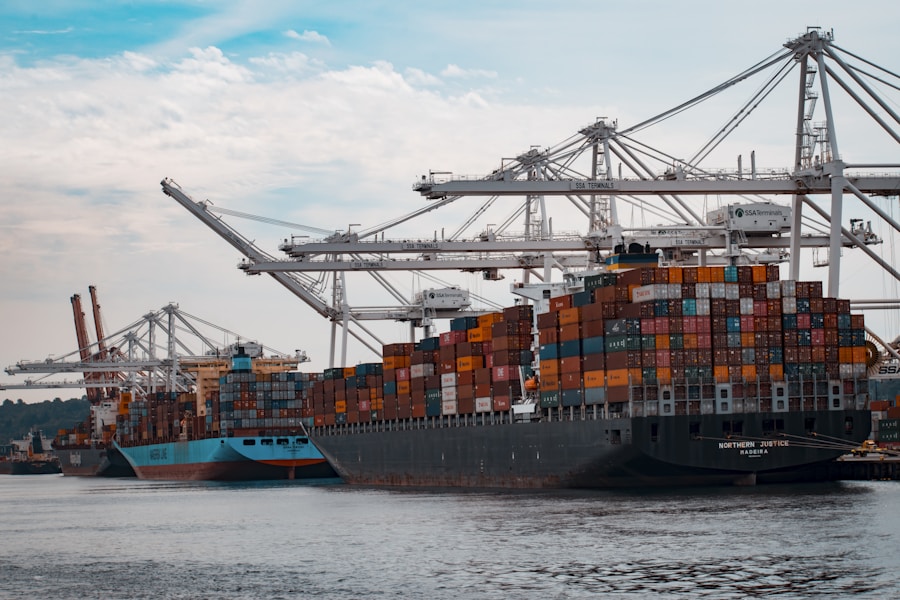
Vraghouers by 'n groot internasionale handelshawe wat grensoverschrijdende B2B-logistiek vir industriële toerusting verteenwoordig
Gevallestudies Vatverkryging in die praktyk
Geval 1: Europese samesteller verminder stilstand met 40% met tweebronstrategie.
'n Middelgroot Duitse plastieksamesteller wat werk 12 dubbelskroef-ekstruderlyne (Coperion ZSK 58 en ZSK 92 platforms) het histories alle vervangingsvate van 'n enkele Chinese vervaardiger verkry. In 2023, 'n kwaliteitskwessie met 'n bondel bimetaalvate — onvoldoende voeringdikte in die hoë-slytasie-sone — onbeplande stilstand veroorsaak wat 'n geraamde EUR kos 180,000. Die maatskappy het 'n tweebronstrategie geïmplementeer: primary supply from a Zhoushan-based manufacturer with ISO 9001:2015 and PED certification, and secondary supply from a Turkish producer for urgent orders. Deur, the company reports 40% reduction in unplanned barrel-related downtime and 12% lower average barrel procurement cost through competitive bidding between the two suppliers. The key lesson: qualifying two suppliers with rigorous incoming inspection protocols (ultrasonic testing, hardness mapping, dimensionele verifikasie) delivers both cost and reliability benefits.
Geval 2: US food extrusion OEM develops proprietary barrel specification with Chinese manufacturer.
A Wisconsin-based manufacturer of twin screw food extruders needed barrels with FDA-compliant stainless steel liners capable of withstanding the abrasive, corrosive environment of high-moisture pet food extrusion. Standard catalog barrels from domestic suppliers were priced at USD 28,000–35,000 per set with 10–14 week lei tye. The company partnered with a Jingjiang, China, manufacturer to co-develop a barrel using 316L stainless liner centrifugally cast into a 4140 shell, with custom cooling channel geometry. After a 6-month qualification process including on-site factory audits and trial barrel testing, the company achieved 35% cost reduction with equivalent performance. Annual procurement now exceeds USD 1.2 miljoen, with barrels shipped via ocean freight to the Port of Chicago. Afdeling 301 tariffs add 25% to landed cost, but the net savings versus domestic sourcing remain significant at approximately 15–18%.
Geval 3: Indian recycling startup scales with modular barrel system.
A Mumbai-based plastics recycling startup processing post-consumer PET bottle flakes needed to scale from a single 52mm twin screw line to four lines within 18 maande. Capital constraints made purchasing complete new extruders impractical. In plaas daarvan, the company sourced modular segmented barrel systems from a Guangzhou manufacturer, designed to retrofit onto locally assembled extruder frames. The segmented design allowed individual barrel sections to be replaced as they wore, reducing ongoing maintenance costs by an estimated 25% compared to monolithic barrel replacement. The manufacturer provided detailed engineering drawings and remote technical support for installation, demonstrating the value of manufacturer-buyer collaboration in emerging market contexts. Enkelskroef-ekstruder
Gehalteversekering: What B2B Buyers Should Demand from Barrel Manufacturers
Professionele verkryging van dubbelskroefvate vereis 'n gestruktureerde gehalteversekeringsraamwerk:
- Materiaal sertifikate: Meul toets verslae (MTR) vir vat substraat staal en voering legering, naspeurbaar na spesifieke hittegetalle. Verifieer chemiese samestelling teen spesifikasie (bv., ASTM A322 vir 4140 staal, VANAF 1.8519 vir 38CrMoAlA).
- Hardheid toets: Rockwell of Vickers hardheid metings ten minste 5 punte langs die looplengte, op beide voeringoppervlak en substraat. Versoek hardheid kartering verslae.
- Dimensionele inspeksie: Boor deursnee, konsentrisiteit, reguitheid, en oppervlakafwerking (Ra) metings met behulp van gekalibreerde instrumente. CMM verslae vir kritieke koppelvlak dimensies.
- Nie-vernietigende toetsing (NDT): Ultrasoniese toetsing vir voeringbinding-integriteit (100% dekking gedra het), magnetiese deeltjie inspeksie vir oppervlak krake, en kleurstofpenetranttoetsing vir vatsegment seëloppervlaktes.
- Sertifiserings: ISO 9001:2015 (kwaliteit bestuur), ISO 14001 (omgewingsbestuur), en waar van toepassing, PED 2014/68/EU (Pressure Equipment Directive) for barrels operating under pressure in EU jurisdictions.
Buyers should conduct factory audits — either in person or via third-party inspection agencies (SGS, Buro Veritas, TÜV) — before committing to volume orders. The cost of a factory audit (USD 1,500–3,000) is trivial compared to the cost of receiving non-conforming barrels.
Quality control inspection of industrial metal components using precision measurement instruments
Forecasting Twin Screw Barrel Trade Trends: Junie–Augustus
Gebaseer op huidige markseine, beleidsontwikkelings, en bedryfsdata, the following trends are expected to shape the twin screw barrel B2B trade over the next one to two months:
Tariff uncertainty drives pre-buying. The April announcement of expanded US reciprocal tariffs has triggered a wave of pre-buying among North American distributors and OEMs. Barrel manufacturers in China report order backlogs extending to 10–14 weke, up from the typical 6–8 weke. Buyers who have not yet placed orders for Q3 delivery should expect longer lead times and consider expedited shipping options.
Cr10 Max Extruder Raw material costs stabilize. After a volatile Q1, nickel prices have settled in the USD 15,500–16,500/tonne range on the LME, and tungsten APT prices are holding at USD 325–340/MTU. This stabilization should translate to more predictable barrel pricing through the summer, though manufacturers may attempt to retain Q1 price increases. Buyers should negotiate based on current raw material indices rather than accepting legacy pricing.
Chinaplas aftereffects. Chinaplas, held in Shenzhen in April, showcased several barrel manufacturers' new product lines including segmented barrels with integrated sensor ports for Industry 4.0 monitoring, and next-generation PM-HIP liners with claimed 30% longer wear life. Expect these innovations to enter commercial availability in Q3–V4, giving early-adopter buyers a competitive advantage in processing efficiency.
Lab Scale Extruder Manufacturer EU CBAM reporting drives supplier qualification. As the EU CBAM transitional phase progresses, European importers of steel-intensive products including extruder barrels are beginning to request carbon footprint data from manufacturers. Suppliers who can provide verified emissions data (Scope 1, 2, en 3) will be preferred. Chinese manufacturers with renewable energy-powered facilities (increasingly common in Zhejiang and Jiangsu provinces) are positioning themselves favorably.
Recycling infrastructure investment accelerates. Government funding programs — the EU's Circular Economy Action Plan, the US EPA's Solid Waste Infrastructure for Recycling (SWIFR) grants — are releasing capital for new recycling lines in mid-. Each new mechanical recycling line typically requires 2–4 dubbelskroef-ekstruders, translating to direct barrel demand. Manufacturers and distributors targeting the recycling sector should prepare inventory accordingly.
India emerges as a sourcing alternative. Indian barrel manufacturers exhibited at Plastivision India (January) with notably improved product quality. Several Ahmedabad and Pune-based manufacturers have achieved bimetallic barrel quality comparable to mid-tier Chinese producers at 10–15% lower pricing, driven by lower labor costs and India's growing specialty steel production capacity. For buyers serving South Asian, Midde-Oosterse, and African markets, Indian sourcing deserves serious evaluation.
Werkplekveiligheid in ekstrusie-omgewings: Protecting Operators from the Ground Up
While the focus of this guide is on barrel sourcing, responsible B2B trade in extrusion machinery must address the operational environment where these barrels are installed. Twin screw extrusion facilities present specific workplace hazards — hoë temperature (barrel surfaces reach 200–400°C), swaar komponent hantering (barrel segments weigh 50–300 kg elk), molten polymer spills, and floor surfaces contaminated with processing oils and pellet dust. Foot injuries are among the most common and preventable workplace incidents in plastics processing plants.
The case for safety footwear in extrusion facilities. According to the U.S. Buro vir Arbeidsstatistiek (BLS), voetbeserings verantwoordelik vir ongeveer 60,000 werkplekbeserings jaarliks in die Verenigde State, met vervaardigingsomgewings wat 'n buitensporige aandeel verteenwoordig. The European Agency for Safety and Health at Work (EU-OSHA) rapporteer soortgelyke patrone oor EU-lidlande. In extrusion facilities specifically, the primary foot hazards include:
- Crushing injuries from dropped barrel segments, skroef elemente, or die components during maintenance and changeover operations.
- Burn injuries from contact with hot barrel surfaces, molten polymer drips, or heated die assemblies.
- Puncture injuries from metal shavings, broken screw tips, or sharp-edged barrel liner fragments.
- Slip injuries on floors contaminated with processing oils, water van verkoelingstelsels, or spilled polymer pellets.
- Electrical hazards from barrel heater band wiring during maintenance.
Safety footwear standards and specifications. B2B buyers of extrusion equipment should ensure their facilities — and their customers' fasiliteite — are equipped with appropriate safety footwear meeting recognized standards:
- ASTM F2413 (Amerikaanse standaard): Specifies requirements for protective footwear including impact resistance (I/75 — 75 ft-lbs impakbeskerming), kompressie weerstand (C/75 — 2,500 lbs compression), metatarsale beskerming (Mt/75), and electrical hazard (EH) graderings.
- IN ISO 20345 (Amerikaanse standaard): Defines safety footwear classes from SB (basiese toonbeskerming, 200J impak) deur S5 (tone beskerming + geslote hak + antistaties + energie absorpsie + water weerstand + penetrasie weerstand + geklopte buitesool). Vir ekstrusie-omgewings, S3 or S5 rated footwear is recommended.
- Composite toe vs. steel toe: Moderne saamgestelde toonkappe (veselglas, koolstofvesel, of Kevlar) offer equivalent protection to steel at 30–40% minder gewig, with the added benefit of thermal insulation — important in extrusion environments where floor temperatures near barrel heating zones can be elevated.
Sprite Extruder Bltouch Mount Hittebestande sole. Standard rubber outsoles degrade at sustained contact temperatures above 150°C. Extrusion facility safety footwear Crality Dual Gear Extruder should feature nitrile rubber or Viton-compound outsoles rated for 300°C contact resistance, protecting against accidental stepping on hot polymer drips or near barrel heating zones.
Anti-fatigue and ergonomic considerations. Extrusion operators and maintenance technicians often work 8–12 uur skofte op betonvloere. Safety footwear with energy-return midsoles (PU or EVA foam), boog ondersteuning, and moisture-wicking linings reduces fatigue-related accidents — a factor that safety managers increasingly recognize as contributing to overall workplace safety performance.

ROI of safety footwear programs. The National Safety Council estimates that the average cost of a workplace foot injury in the US is USD 9,600 in direkte koste (medies, werkers' vergoeding) and USD 29,000–42,000 in total costs including lost productivity, vervangingsarbeid, en administratiewe uitgawes. A quality pair of safety boots costs USD 80–250. For a facility with 50 extrusion operators, a comprehensive safety footwear program costs USD 4,000–12,500 jaarliks — a fraction of the cost of a single serious foot injury. European data from EU-OSHA shows comparable economics, with the added regulatory imperative of the EU Framework Directive 89/391/EEC requiring employers to provide appropriate PPE at no cost to workers.
Integration with barrel maintenance protocols. B2B-vatvervaardigers en -verskaffers kan waarde toevoeg deur veiligheidsaanbevelings in hul tegniese dokumentasie in te sluit. Vat installasie en verwydering prosedures moet vereiste PPE spesifiseer insluitend veiligheidsskoene klas, versterking van 'n kultuur van veiligheid wat